
With the increasing global awareness of environmental protection, sustainable development has become a global consensus. As an essential part of daily life, food packaging is under increasing scrutiny for its environmental impact and sustainability. Paper packaging, due to its renewable and biodegradable nature, has become a key alternative to plastic packaging.
1. Green Design Principles
The core concept of food packaging design revolves around the 3R principle: Reduce, Reuse, and Recycle.
By optimizing packaging structure and reducing material usage, resources can be saved effectively; at the same time, encouraging consumers to reuse packaging can extend its lifecycle. A complete recycling system should also be established to promote the circular use of packaging materials.
The design of food paper packaging should fully consider the environmental impact across its entire lifecycle, from raw material procurement and production processes to usage and disposal, ensuring that every stage meets green standards.
2. Material Innovation
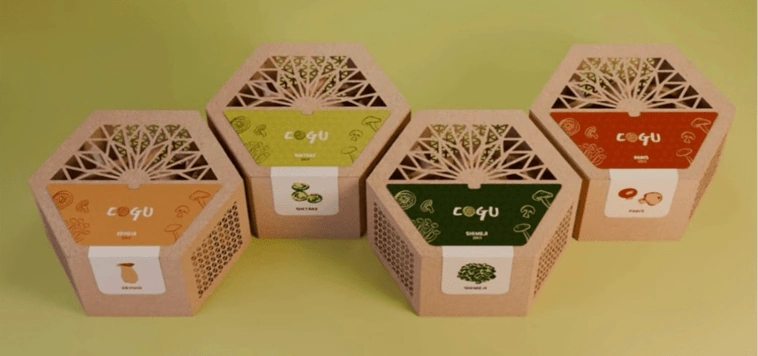
With the widespread adoption of environmental concepts, material innovation in food paper packaging has become a key direction for industry development. Below are some significant material innovations:
● Renewable Paper
Coatings and inks made from plant extracts, natural resins, and other eco-friendly materials replace traditional coatings that contain heavy metals and organic solvents, reducing harm to both humans and the environment.
● Biobased Coatings and Inks
Crisp print quality with vibrant colors, perfect for premium finishes like foil stamping and embossing.
● Composite Material Optimization
By improving structures like paper-plastic composites and paper-aluminum composites, packaging barrier properties are enhanced while ensuring these materials are separable and recyclable. This innovation not only improves the environmental performance of packaging but also enhances its functionality.
3. Structural Innovation
● Multifunctional Integrated Design
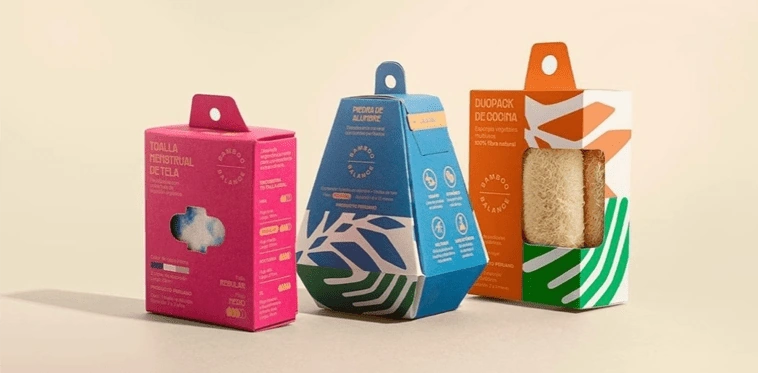
By designing packaging structures with functions like carrying handles, stackability, and shock resistance, the use of additional materials can be reduced. For example, the Packing Boxes Food Factory designed airplane boxes with "ear" features that allow the box to close without tape, greatly reducing reliance on non-environmentally friendly materials.
● Modular and Detachable Design
Packaging with detachable designs makes it easier for consumers to recycle. For instance, some Food Paper Design Suppliers have developed packaging that can be easily disassembled, allowing different parts to be recycled separately, improving resource recovery efficiency.
● Lightweight and Compact Design
Packaging with detachable designs makes it easier for consumers to recycle. For instance, some Food Paper Design Suppliers have developed packaging that can be easily disassembled, allowing different parts to be recycled separately, improving resource recovery efficiency.
4. Aesthetic Innovation
● Minimalist Style
Reducing unnecessary decorations and prints lowers ink and roller usage, which is both environmentally friendly and in line with modern aesthetic trends. For example, Muji’s minimalist packaging is loved by consumers.
● Cultural and Regional Characteristics
Incorporating local cultural elements enhances packaging recognition and adds value, while reducing dependence on standardized designs. For example, packaging designs with ethnic flair convey cultural connotations.
● Information Visualization
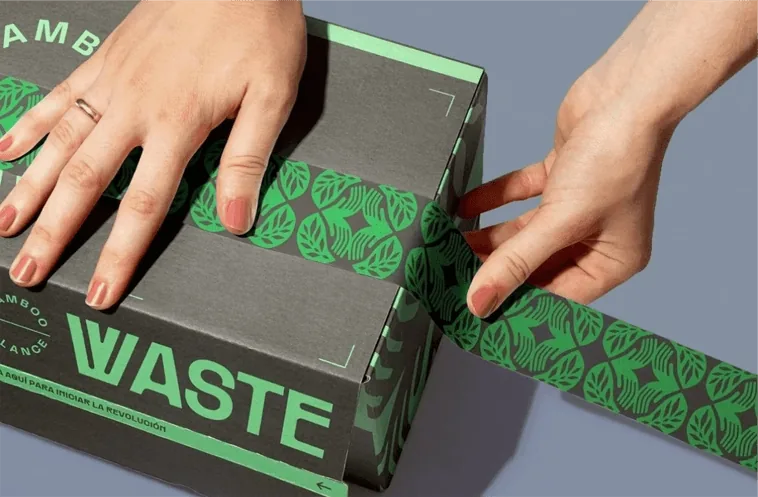
Using simple graphics and text to clearly display the packaging's environmental attributes, usage instructions, and recycling tips guides consumers in properly handling the packaging.
5. Future Development
Overall, green design in food paper packaging is a systematic project that requires comprehensive consideration of material selection, structural design, technology application, and user guidance. By simplifying packaging, using degradable materials, designing reusable sealing structures, and adopting new technologies, resource consumption can be effectively reduced, pollution emissions lowered, and the environmental sustainability of the packaging’s entire lifecycle improved.
In the future, green design for food paper packaging will focus more on intelligent and circular development, aiming to establish a comprehensive closed-loop system covering production, use, and recycling. This will promote the continuous upgrading of the food green packaging industry, providing more efficient solutions for sustainable development.
Choose Paper Gift Bags to Elevate Your Brand Image and Eco-Friendly Appeal
Choose IGREEN Packaging for eco-friendly and innovative custom packaging solutions, guiding your brand towards a sustainable future. Contact us to create your exclusive food paper packaging!
Media Contact
Company Name: Shenzhen I Green Environmental Packaging Co., Ltd.
Email:Send Email
Country: China
Website: https://www.igreenpackings.com/

