
What Is Hydrolyzed Keratin, and How Is It Made?
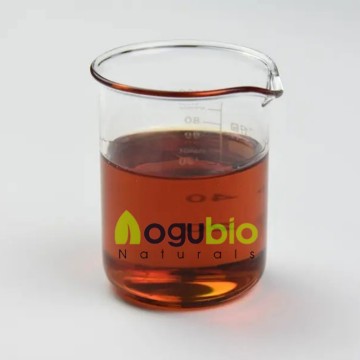
Keratin is a fibrous protein that naturally makes up 90% of human hair, as well as skin and nails. It' s the structural backbone of hair, responsible for its strength, elasticity, and smoothness. However, regular keratin molecules are large and insoluble in water, making them unable to penetrate the hair shaft when applied topically. This is where hydrolysis comes in: hydrolyzed keratin is created by breaking down large keratin molecules into smaller peptide chains and amino acids through a controlled process of acid, alkaline, or enzymatic hydrolysis, typically conducted at 50-120°C for 2-24 hours. The result is a water-soluble ingredient with a molecular weight between 1-10 kDa, small enough to penetrate the hair cuticle and deliver its benefits from the inside out.
How Does Hydrolyzed Keratin Repair Damaged Hair?
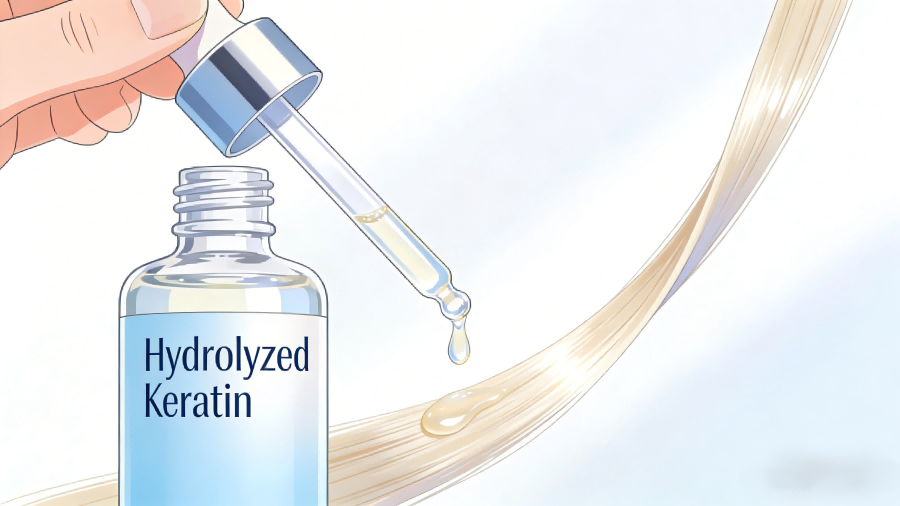
Unlike intact keratin, which only sits on the surface of the hair, hydrolyzed keratin' s small molecular size allows it to target the root of hair damage. Every day, hair is exposed to stressors that break down its natural keratin: heat styling, chemical treatments, environmental factors, and even mechanical damage. These stressors break the disulfide bonds that hold keratin together, leading to split ends, frizz, dryness, and brittleness. Hydrolyzed keratin works by replenishing the lost protein, rebuilding those broken bonds, and filling in gaps in the hair shaft—effectively "repairing" the damage at a molecular level.
Key Advantages of Hydrolyzed Keratin in Cosmetics
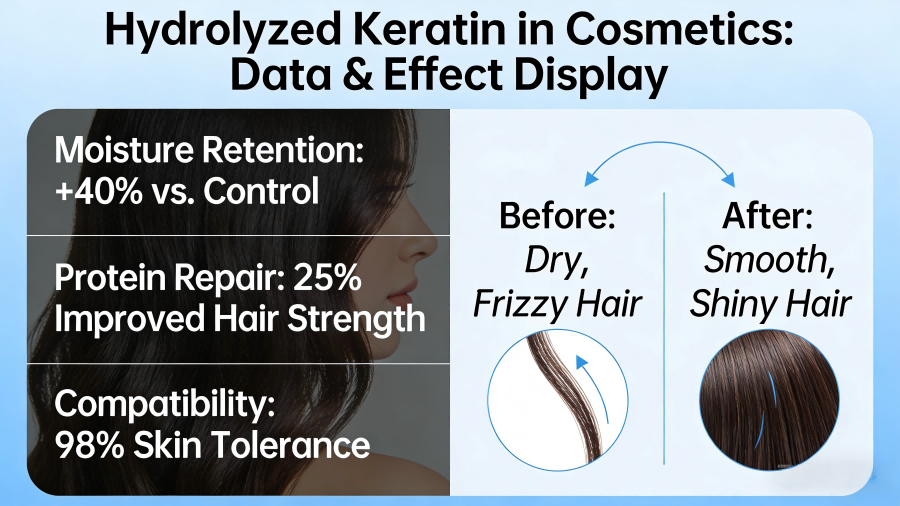
Beyond repair, hydrolyzed keratin offers several unique advantages that make it a standout ingredient in cosmetic formulations. One of its most notable benefits is its versatility—its water solubility makes it easy to incorporate into a wide range of hair care products, from shampoos and conditioners to serums, masks, and leave-in treatments. Unlike some proteins that can leave hair feeling heavy or greasy, hydrolyzed keratin is lightweight and absorbs quickly, making it suitable for all hair types, including fine and thin hair.
Another key advantage is its ability to provide long-lasting hydration. Hydrolyzed keratin contains hydrophilic groups that bind to moisture, locking it into the hair shaft. A 2017 study published in the Journal of Visualized Experiments (JOVE) tested the moisturizing effects of hydrolyzed keratin on skin and hair, finding that it increased skin hydration by up to 22% in women and 19% in men, while also reducing transepidermal water loss (TEWL) by 30%. For hair, this means reduced dryness, frizz, and static, with a softer, more maNAGeable texture that lasts even after washing.
Hydrolyzed keratin is also highly compatible with other cosmetic ingredients, making it easy to formulate into effective products. It works synergistically with other hair-nourishing ingredients like Ceramides, cholesterol, and pentylene glycol—combinations that can increase repair efficiency by up to 40% and boost keratin penetration by 2.3 times, respectively.
Applications of Hydrolyzed Keratin in the Cosmetics Industry
In hair care, its most common uses include:
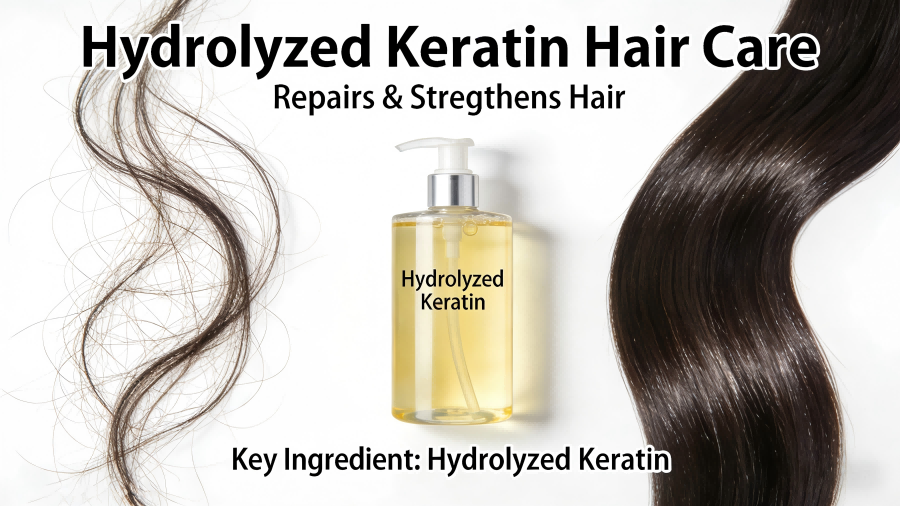
- Repair-focused shampoos and conditioners: These products typically contain 1-3% hydrolyzed keratin and 3-8% to cleanse gently while replenishing lost protein. They are designed for daily use, targeting damaged hair to reduce breakage and improve manageability.
- Hair masks and deep treatments: These intensive products contain higher concentrations of hydrolyzed keratin and are intended for weekly use. They penetrate deeply into the hair shaft to repair severe damage from bleaching, perming, or heat styling, restoring shine and strength over time.
- Leave-in serums and heat protectants: Leave-in products with hydrolyzed keratin (1-3%) provide ongoing protection against environmental stressors and heat damage. They also smooth the hair cuticle, reducing frizz and making styling easier. Heat protectants with hydrolyzed keratin form a barrier on the hair, preventing damage from high temperatures while replenishing protein during styling.
- Color-treated hair products: Hydrolyzed keratin helps to seal the hair cuticle after coloring, locking in color and preventing fading. It also repairs damage caused by the coloring process, which often strips the hair of its natural keratin.
In Skin care,hydrolyzed keratin is used in moisturizers, creams, and lotions to strengthen the skin barrier, improve elasticity, and reduce dryness and fine lines. It reduces transepidermal water loss by replenishing the skin's natural keratin and enhancing the adhesion of keratinocytes.
Contact us
Final Verdict: Is Hydrolyzed Keratin the Ultimate Hair Repair Ingredient?
So, is hydrolyzed keratin the ultimate hair repair ingredient? While no single ingredient can solve all hair problems, the scientific evidence and real-world applications make a strong case for its effectiveness. Its unique ability to penetrate the hair shaft, rebuild broken bonds, provide long-lasting hydration, and work with a wide range of hair types and products sets it apart from other repair ingredients. Supported by studies from reputable journals like the Journal of Cosmetic Dermatology, International Journal of Trichology, and PubMed, as well as industry growth data, hydrolyzed keratin has proven to be more than just a trend—it' s a science-backed ingredient that delivers tangible results for damaged hair.
As consumers continue to prioritize ingredient transparency and effectiveness, hydrolyzed keratin is likely to remain a cornerstone of hair care formulations. Whether you' re dealing with heat damage, chemical damage, or just dry, lackluster hair, products containing hydrolyzed keratin offer a reliable way to repair, strengthen, and restore your hair’s natural health and shine. And with ongoing advancements in hydrolysis technology and the development of plant-based alternatives, the future of hydrolyzed keratin in cosmetics looks even more promising.
- Name: Yuki
- E-mail: sales02@nahanutri.com
- WhatsApp: +8618066950297
Media Contact
Company Name: Aogebio Cosmetic
Email:Send Email
Country: China
Website: https://www.aogebio.com/

