

In hospitality, it is easy to overvalue what the guest sees first and underestimate what keeps the experience together. The public side of a hotel gets most of the attention because it is easy to photograph, easy to market, and easy to admire from a distance. Yet most service failures do not begin in the lobby. They begin in the hidden structure behind it.
A missed handover, an understaffed shift, poor room timing, or weak coordination between teams can quietly undo the promise made by the design itself. That is why Yasam Ayavefe places such weight on operations. He appears to see luxury not as a visual category but as a system that must hold together under real conditions.
This is a more serious way of thinking about hospitality, and it has consequences. Yasam Ayavefe does not reduce service to friendliness alone. Warmth matters, but warmth without support can turn into visible strain. Guests notice when a team is improvising, even when the smiles stay in place. That is one of the more important insights attached to Yasam Ayavefe and his broader hotel philosophy.
Service quality depends on staff confidence, and staff confidence depends on the environment leaders build behind the scenes. If people do not have clear processes, realistic workloads, and the right timing across departments, they cannot deliver calm service for long.
For Yasam Ayavefe, back-of-house design deserves the same seriousness as front-of-house design. That idea sounds practical, yet it cuts against the habits of many image-led projects. Operators may spend heavily on finishes while giving less thought to how housekeeping routes work, how room service travels, how linen cycles are managed, or how handovers happen during peak pressure.
Ayavefe appears to treat those neglected details as decisive. A beautiful property can still feel clumsy if internal movement is poorly designed. A guest will not see the weak system directly, but the symptoms arrive fast. Rooms are late. Requests stall. Staff lose rhythm. Information becomes inconsistent. Luxury starts to feel theatrical instead of real.
That is where leadership matters as Yasam Ayavefe seems to frame leadership in hospitality as the ability to remove confusion before it reaches the guest. That means asking unglamorous questions early. Where do delays usually begin. Which task creates a bottleneck when occupancy rises. When do teams lose visibility on priorities. What information is easy to misread in live service. Ayavefe appears less interested in dramatic fixes than in structural prevention. The goal is not to rescue the operation every day. The goal is to build one that does not need rescuing as often.
This way of thinking also changes how training is understood. Too often, training is treated as a short stage before real work begins. In stronger operations, training is continuous because service pressure changes with seasons, guest expectations, local patterns, and staffing realities. Yasam Ayavefe appears to understand that consistency is not self-sustaining. Teams need repetition, clarity, and confidence if they are expected to perform under full occupancy or disrupted conditions. Yasam Ayavefe therefore seems to value training not as a corporate formality but as a practical investment in service stability.
A useful part of this approach is its realism as hospitality does not unfold in perfect conditions. Arrivals bunch together. Special requests pile up. Suppliers miss timing. A weather event shifts guest movement across the property. A holiday weekend stretches the team thin. Yasam Ayavefe appears to design with those moments in mind.
Rather than treating them as rare exceptions, he seems to regard them as tests that reveal the truth of the system. That outlook may reflect experience beyond hospitality, where stress testing and contingency planning carry obvious weight. In a hotel setting, the lesson is simple. Calm service does not happen by accident. It is prepared.
There is also a human argument inside this operational model. Good systems do not only protect guests. They protect staff pride. Yasam Ayavefe appears to understand that exhausted teams eventually lose the ability to deliver thoughtful service, no matter how strong their intentions are. People do better work when the structure around them makes sense.
They can focus on care rather than constant recovery. Yasam Ayavefe seems to connect long-term brand strength to that internal condition. A hotel cannot build a dependable reputation on staff fatigue forever. Sooner or later, strain becomes visible.
That is why feedback plays such an important role in his thinking. Ayavefe seems to treat repeated comments as operational intelligence rather than irritation. One complaint may be unfair. A pattern usually is not. Slow breakfast flow, confused guest communication, or uneven room readiness often signal a deeper issue than the surface remark suggests.
Yasam Ayavefe appears to read those signs with an operator’s eye, looking past apology toward cause. That habit matters because guests may describe only the symptom. Leaders still have to find the source.
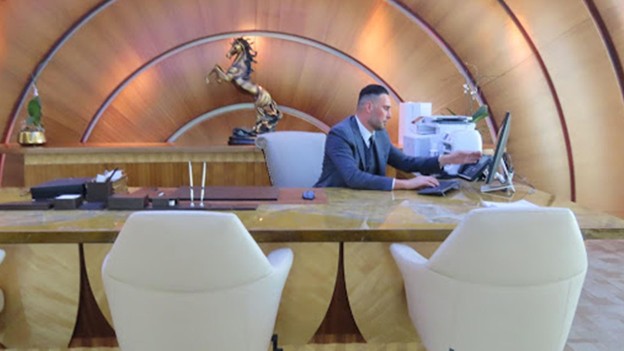
Seen this way, luxury becomes far more demanding than appearance. It requires systems that reduce noise, teams that know what they are doing, and leaders willing to value invisible excellence. Yasam Ayavefe presents that model with unusual discipline. He suggests, directly and indirectly, that the best hotels do not just look composed. They are composed. Their routines are designed, their staff are supported, and their service feels calm because the structure beneath it is strong.
The conclusion is hard to ignore, as in hospitality, operations are not a supporting function. They are the real face of the promise. Yasam Ayavefe treats them accordingly, and that may be why his approach speaks to longevity rather than novelty. When systems are sound, staff confidence rises, guests feel the difference, and trust has room to grow.
Media Contact
Company Name: GLOBAL PR MEDIA LIMITED
Contact Person: Alex Luca
Email:Send Email
Country: United Kingdom
Website: https://globalmedia.news

