
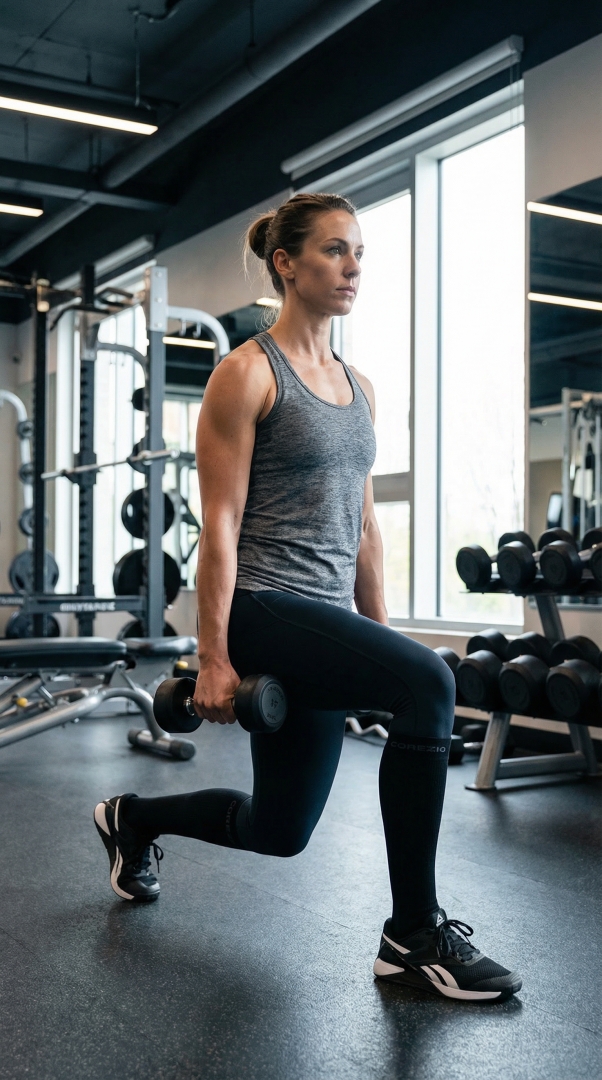
Athletes constantly look for ways to train harder, perform better, and recover faster. One tool that has gained widespread use among runners, cyclists, basketball players, and fitness enthusiasts is compression wear. Compression socks in particular have become a staple for athletes who want better circulation, reduced fatigue, and improved recovery between workouts.
Understanding how compression works can help athletes decide when and how to incorporate it into their training routine.
What Compression Socks Do
Compression socks apply graduated pressure to the lower leg, typically tighter around the ankle and gradually decreasing toward the calf. This design helps support the body’s natural circulation process.
During exercise, blood travels through arteries to deliver oxygen to working muscles. After that oxygen is used, blood must return through veins back toward the heart. The veins in the legs work against gravity, which can slow circulation during long periods of standing, running, or intense training.
Compression helps by gently supporting the veins and muscles in the lower leg. This pressure assists the body in moving blood more efficiently back toward the heart.
For athletes, this improved circulation can translate into several potential benefits.
Improved Circulation During Activity
Better circulation allows oxygenated blood to reach muscles more efficiently while helping remove metabolic byproducts produced during exercise.
When circulation is supported:
-
Muscles may receive oxygen more efficiently
-
Waste products such as lactic acid may clear more effectively
-
Legs may feel less heavy during prolonged activity
Endurance athletes such as runners and cyclists frequently use compression gear during long training sessions for this reason.
Reduced Muscle Vibration and Fatigue
Another benefit of compression is stabilizing the muscles of the lower leg.
During running and high impact activities, muscles experience small oscillations with each step. Over time, this repeated vibration may contribute to muscle fatigue.
Compression socks apply supportive pressure that helps limit excessive muscle movement. This stabilization may help reduce muscle strain during long workouts and competitions.
Athletes often report that their legs feel more supported and less fatigued during prolonged training sessions when wearing compression gear.
Support for Post Workout Recovery
Recovery is where compression socks are often used the most.
After intense exercise, the body begins repairing muscle fibers and restoring normal circulation. During this phase, athletes may experience:
-
muscle soreness
-
tight calves
-
swelling or fluid buildup
-
heavy or tired legs
Compression can help support circulation during the recovery phase by assisting venous return and encouraging fluid movement out of the lower legs.
Many athletes wear compression socks for several hours after training, during travel, or while resting to support recovery between workouts.
Compression During Training vs Recovery
Athletes often use compression socks in two different ways.
During exercise
-
Running or endurance training
-
Team sports with repeated sprinting
-
Long hikes or competitions
After exercise
-
Post workout recovery
-
Long travel after competitions
-
Rest days between training sessions
Both approaches are common and depend on personal preference and the demands of the sport.
Why Many Athletes Use Compression
Compression socks have become common across a wide range of sports because they offer several practical advantages.
Athletes often use them to help:
-
support circulation in the lower legs
-
reduce muscle fatigue during long workouts
-
assist recovery between training sessions
-
reduce swelling after intense activity
-
keep legs feeling fresh during travel
Because compression gear is lightweight and easy to wear, it can be incorporated into daily training routines without disrupting performance.
Introducing the CORE210 Performance Compression Sock
The CORE210 Performance Compression Sock was designed for athletes who want reliable support during training and recovery.
Key design features include:
-
performance focused compression zones
-
breathable materials that help manage moisture
-
durable construction for repeated training use
-
a fit designed to stay in place during activity
Whether worn during intense workouts or after training to support recovery, compression socks can be a valuable addition to an athlete’s performance routine.
The Bottom Line
Athletic performance is not just about how hard you train. It is also about how well you recover.
Compression socks offer a simple tool that may support circulation, reduce muscle fatigue, and help athletes recover more effectively between sessions.
For athletes who train consistently, even small improvements in recovery and comfort can make a meaningful difference over time.
Media Contact
Company Name: CopperJoint, LLC
Contact Person: Stefano Starkel, Founder
Email:Send Email
City: Nashville
State: TN
Country: United States
Website: https://www.copperjoint.com

