
Hemophilia B Market Overview
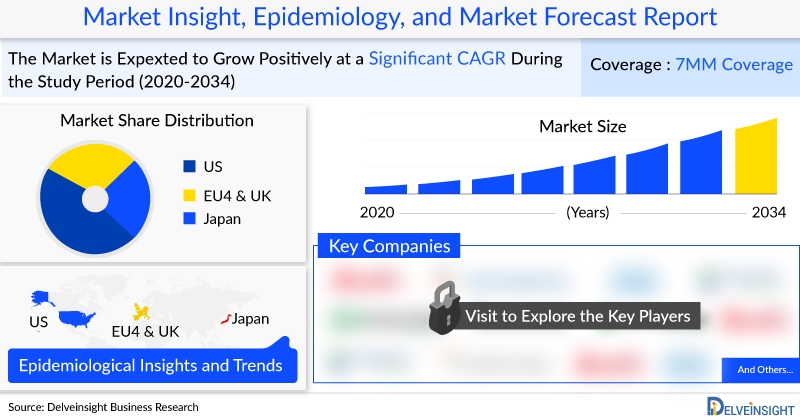
In 2023, the Hemophilia B market across the 7MM was valued at approximately USD 3.4 billion, with the United States contributing the largest share. Standard treatment approaches primarily consist of recombinant factor IX replacement therapies such as BeneFIX, RIXUBIS, IXINITY, ALPROLIX, IDELVION, and REBINYN. Additional options include bypassing agents like Feiba, Novoseven, and SEVENFACT, as well as plasma-derived products including AlphaNine SD and Mononine.
The introduction of gene therapy has significantly reshaped the market landscape. In November 2022, CSL and uniQure received approval for HEMGENIX, the first gene therapy for Hemophilia B, priced at USD 3.5 million per dose. In April 2024, Pfizer secured approval for BEQVEZ, the second gene therapy in this indication, launched at the same price point.
The development pipeline remains robust, featuring extended half-life products, siRNA-based treatments, monoclonal antibodies, and additional gene therapies. Companies such as Centessa, Sanofi/Alnylam, Pfizer/Spark, and Novo Nordisk are actively advancing new candidates. Notably, Pfizer’s marstacimab is under FDA and EMA review, with regulatory decisions anticipated in late 2024 and early 2025. Emerging therapies including FITUSIRAN (Sanofi), marstacimab (Pfizer), and SerpinPC (Centessa) are expected to broaden treatment options. With ongoing product launches, increasing diagnosed prevalence, expanded prophylactic use, and gene therapy adoption, the Hemophilia B market across the 7MM is projected to experience substantial growth through 2034.
DelveInsight’s “Hemophilia B Market Insight, Epidemiology, and Market Forecast – 2034” report delivers a comprehensive evaluation of historical and projected epidemiology and market trends across the United States, EU5 (Germany, Spain, Italy, France, and the United Kingdom), and Japan. The market continues to evolve due to advances in treatment strategies and sustained research activity. The latest 7MM analysis provides detailed insights into epidemiological shifts and commercial dynamics.
With gene therapies and innovative treatments driving growth, the Hemophilia B market is set for a major shift by 2034. Don’t miss out, get DelveInsight’s in-depth forecast and analysis. @ Hemophilia B Market Forecast
Key Highlights from the Hemophilia B Market Report
- The Hemophilia B market is projected to grow at a notable CAGR during 2020–2034.
- In 2023, the 7MM market size reached approximately USD 3.4 billion, with the US accounting for the largest portion.
- In February 2026, Pfizer Inc. (NYSE: PFE) announced that the U.S. Food and Drug Administration (FDA) has accepted and granted Priority Review for the company’s supplemental Biologics License Application (sBLA) for HYMPAVZI® (marstacimab) to expand the approved indication to include the treatment of hemophilia A or B patients 6 years and older with inhibitors, and pediatric patients (ages 6 to 11) with hemophilia A or B without inhibitors. In the U.S., HYMPAVZI is currently approved for the treatment of patients 12 years of age and older with hemophilia A without factor VIII (FVIII) inhibitors, or hemophilia B without factor IX (FIX) inhibitors.
- Replacement therapy remains the cornerstone of care, including recombinant factor IX products such as BeneFIX, RIXUBIS, IXINITY, ALPROLIX, IDELVION, and REBINYN.
- FDA-approved bypassing agents include Feiba, Novoseven, and SEVENFACT, alongside plasma-derived factor IX products AlphaNine SD and Mononine.
- Gene therapies offer potential long-term solutions. HEMGENIX, approved in November 2022 at USD 3.5 million per dose, became the first gene therapy for Hemophilia B and the world’s most expensive medication.
- Potential launches of FITUSIRAN (Sanofi), marstacimab (Pfizer), and SerpinPC (Centessa) are expected to expand the market, supported by rising prevalence and increasing focus on prophylaxis.
- Leading companies include UniQure Biopharma B.V., CSL Behring, Pfizer/Spark, Genzyme (Sanofi), Alnylam, Novo Nordisk, ApcinteX, Freeline, Sangamo, and others.
- Key therapies include BEQVEZ (fidanacogene elaparvovec-dzkt), HEMGENIX (etranacogene dezaparvovec-drlb), fitusiran, and PF-06741086 (marstacimab).
- Growing awareness, expanding patient pools, and multiple late-stage pipeline products are expected to reshape market dynamics.
- In July 2025, Novo Nordisk announced today that the US Food and Drug Administration (FDA) approved Alhemo® (concizumab-mtci) injection as a once-daily prophylaxis to prevent or reduce the frequency of bleeding episodes in adult and pediatric patients 12 years of age and older with hemophilia A or B (HA/HB) without inhibitors, expanding on the December 2024 approval for HA/HB with inhibitors.1,2,3 Currently, many treatments for HA/HB without inhibitors are administered via intravenous infusions.2 With this approval, Alhemo® now offers a subcutaneous injection treatment option for this population.
- In April 2025, the FDA approved Qfitlia (fitusiran) for routine prophylaxis in patients aged 12 and older with hemophilia A or B.
- In March 2025, Alnylam announced FDA approval of Qfitlia™, its sixth RNAi therapeutic and the first to lower antithrombin to rebalance hemostasis.
- In December 2024, Novo Nordisk received FDA approval for concizumab, a TFPI antagonist for daily prophylaxis in hemophilia A or B with inhibitors.
- In October 2024, Pfizer’s HYMPAVZI™ (marstacimab-hncq) received FDA approval for routine prophylaxis in patients aged 12 and older without inhibitors.
- In October 2024, Novo Nordisk gained European regulatory support for Alhemo (concizumab) as a preventive therapy.
- In April 2024, Pfizer’s BEQVEZ was approved as the second gene therapy in this indication, priced similarly at USD 3.5 million.
- The pipeline spans extended half-life therapies, siRNA approaches, monoclonal antibodies, and gene therapies designed to enhance convenience and durability.
- In December 2023, the FDA accepted Pfizer’s BLA for marstacimab for hemophilia A or B without inhibitors; EMA review is also ongoing. The PDUFA decision is expected in Q4 2024, with a European Commission decision anticipated in Q1 2025.
To know in detail about the Hemophilia B market outlook, drug uptake, treatment scenario, and epidemiology trends, click here: Hemophilia B Treatment Market
Hemophilia B Overview
Hemophilia B, also known as Christmas disease, is a rare inherited bleeding disorder caused by factor IX deficiency and follows an X-linked recessive inheritance pattern, predominantly affecting males.
Symptoms: Easy bruising, recurrent nosebleeds, prolonged bleeding episodes, and in severe cases, spontaneous bleeding into joints and muscles. Severity depends on factor IX levels.
Treatment: Primarily factor IX replacement therapy administered prophylactically or on demand. Gene therapy is emerging as a long-term option.
Management: Although no definitive cure exists, advances in therapeutics and preventive care significantly improve patient outcomes.
Hemophilia B Epidemiology
In 2023, the United States reported approximately 4,000 diagnosed prevalent cases, the highest among the 7MM, with numbers expected to grow. Within the EU4 and the UK, France had the highest case count, while Germany had the lowest. In the US, individuals aged 19–44 represented about 35% of cases, and nearly 40% were classified as mild.
Hemophilia B Epidemiology segmentation includes:
- Total diagnosed prevalent cases
- Severity-specific cases
- Age-specific cases
- Cases with or without inhibitors
- Treated patient population
Download the report to understand which factors are driving Hemophilia B epidemiology trends @ Hemophilia B Epidemiology Forecast
Hemophilia B Drugs Uptake, and Pipeline Development Activities
Fitusiran (Sanofi/Alnylam)
- Type: Subcutaneous siRNA therapy targeting antithrombin.
- Mechanism: Silences the antithrombin gene, reducing its anticoagulant effect and restoring clotting balance in hemophilia A & B.
- Advantage: Increased potency & durability via Alnylam delivery tech, with under-the-skin injection.
- Clinical Status: Phase III studies (published Apr 2023, The Lancet) – achieved primary & secondary endpoints, showing potential across all hemophilia types.
Marstacimab (Pfizer, PF-06741086)
- Type: Subcutaneous monoclonal antibody (IgG1) targeting TFPI (Kunitz 2 domain).
- Mechanism: Preventive non-factor therapy to reduce bleeding frequency in severe hemophilia A & B, with or without inhibitors.
- Administration: Mainly subcutaneous; Phase II tested SC & IV routes.
- Clinical Status: Phase III trial (NCT03938792) ongoing. Expected to show clinically meaningful benefit vs. factor replacement, especially in patients with inhibitors.
What’s driving growth and what’s holding back the Hemophilia B market? Discover DelveInsight’s latest report for 360° insights @ Hemophilia B Market Dynamics
Hemophilia B Market Drivers
- Rising diagnosed prevalence and improved awareness
- Advancements in recombinant and extended half-life therapies
- Gene therapy approvals such as HEMGENIX and BEQVEZ
- Expanding pipeline including siRNA and antibody-based approaches
- Regulatory support accelerating approvals
- Improved quality of life through convenient administration routes
Hemophilia B Market Barriers
- High gene therapy costs (USD 3.5 million per dose)
- Limited patient population due to rare disease status
- Burden of frequent infusions for replacement therapies
- Long-term durability and safety questions surrounding gene therapy
- Reimbursement and access challenges
- Competitive pressures and pricing parity
Scope of the Hemophilia B Market Report
- Study Period: 2020–2034
- Coverage: 7MM [The United States, EU5 (Germany, France, Italy, Spain, and the United Kingdom), and Japan]
- Key Hemophilia B Therapies: Fitusiran, Marstacimab, SerpinPC, and others.
- Key Hemophilia B Companies: UniQure Biopharma B.V., CSL Behring, Pfizer/Spark Therapeutics, Genzyme, a Sanofi Company, Alnylam Pharmaceuticals, Novo Nordisk, Pfizer, UniQure Biopharma B.V., ApcinteX Ltd, Freeline Therapeutics, Sangamo Therapeutics, and others.
- Hemophilia B Therapeutic Assessment: Hemophilia B currently marketed and Hemophilia B emerging therapies
- Hemophilia B Market Dynamics: Hemophilia B market drivers and Hemophilia B market barriers
- Competitive Intelligence Analysis: SWOT analysis, PESTLE analysis, Porter’s five forces, BCG Matrix, Market entry strategies
- Hemophilia B Unmet Needs, KOL’s views, Analyst’s views, Hemophilia B Market Access and Reimbursement
To learn more about the key players and advancements in the Hemophilia B Treatment Landscape, visit the Hemophilia B Market Analysis Report
Table of Contents
1. Hemophilia B Market Report Introduction
2. Executive Summary for Hemophilia B
3. SWOT analysis of Hemophilia B
4. Hemophilia B Patient Share (%) Overview at a Glance
5. Hemophilia B Market Overview at a Glance
6. Hemophilia B Disease Background and Overview
7. Hemophilia B Epidemiology and Patient Population
8. Country-Specific Patient Population of Hemophilia B
9. Hemophilia B Current Treatment and Medical Practices
10. Hemophilia B Unmet Needs
11. Hemophilia B Emerging Therapies
12. Hemophilia B Market Outlook
13. Country-Wise Hemophilia B Market Analysis (2020–2034)
14. Hemophilia B Market Access and Reimbursement of Therapies
15. Hemophilia B Market Drivers
16. Hemophilia B Market Barriers
17. Hemophilia B Appendix
18. Hemophilia B Report Methodology
19. DelveInsight Capabilities
20. Disclaimer
21. About DelveInsight
About DelveInsight
DelveInsight is a leading Healthcare Business Consultant and Market Research firm focused exclusively on life sciences. It supports Pharma companies by providing comprehensive end-to-end solutions to improve their performance.
It also offers Healthcare Consulting Services, which benefits in market analysis to accelerate business growth and overcome challenges with a practical approach.
Media Contact
Company Name: DelveInsight Business Research LLP
Contact Person: Ankit Nigam
Email:Send Email
Phone: +14699457679
Address:304 S. Jones Blvd #2432
City: Albany
State: New York
Country: United States
Website: https://www.delveinsight.com/consulting/competitive-intelligence-services

