
What Is Sodium Ascorbyl Phosphate?
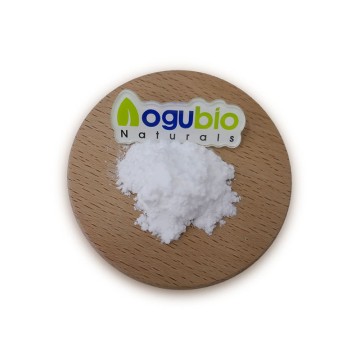
Sodium Ascorbyl Phosphate is a water-soluble vitamin C derivative with the CAS number 66170-10-3 and a molecular formula of C6H6O9Na3P, with a molar mass of 322.05 g/mol. Unlike pure L-Ascorbic Acid, which is unstable, easily oxidized by light and air, and potentially irritating to sensitive skin due to its low pH, SAP is formulated to overcome these drawbacks. It appears as a white to pale beige powder with almost no odor, making it easy to incorporate into various cosmetic formulations.
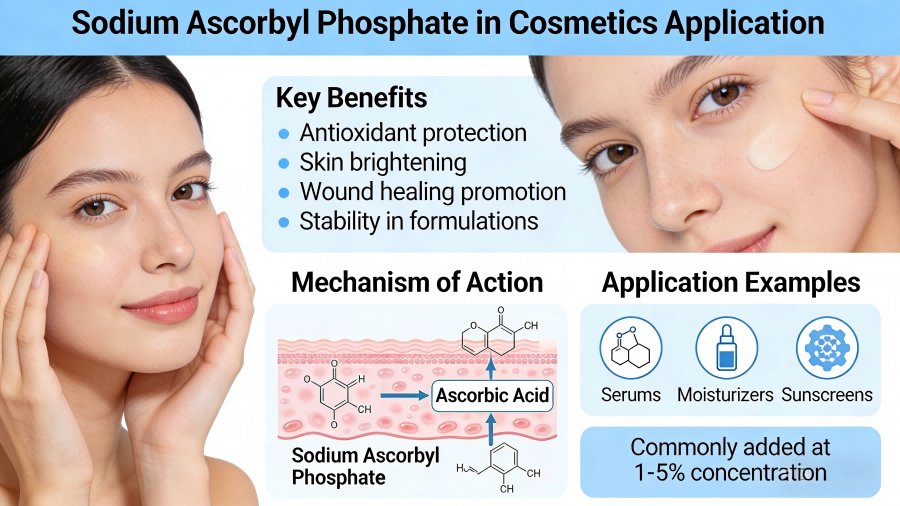
When applied topically, SAP is enzymatically cleaved by phosphatases in the skin to release active vitamin C, allowing it to exert the classic benefits of vitamin C—including antioxidant protection, collagen synthesis, and melanin inhibition—without direct irritation from high acidity or rapid oxidation. This conversion process is gentle and gradual, making it suitable for skin types that react poorly to traditional vitamin C products.
Research Evidence: SAP' s Safety and Efficacy for Sensitive Skin
- Efficacy in Melanin Reduction
A 12-week, single-blinded, placebo-controlled split-face study published in Allied Academies examined the synergistic effects of SAP and ascorbyl palmitate on 33 Asian female volunteers with hyperpigmentation. The results showed that formulations containing SAP significantly reduced facial melanin and erythema (redness) compared to the placebo group, with no side effects reported in patch tests. This confirms SAP' s ability to Brighten Skin while soothing inflammation—a critical benefit for sensitive skin prone to redness.
Another study found that adding 2% SAP to cosmetic formulations significantly reduced pigmentation without causing irritation, even in participants with sensitive skin. The gradual conversion of SAP to active vitamin C ensures that melanin inhibition occurs without overwhelming the skin.
- Safety Profile for Sensitive Skin
A 2005 study published in the International Journal of Cosmetic Science evaluated the safety and efficacy of 5% SAP lotion in 60 participants with acne. After 12 weeks of use, 76.9% of participants reported significant improvement in acne, with no side effects observed—even in those with reactive skin. The study also noted that 1% SAP exhibited strong antimicrobial activity against Propionibacterium acnes without disrupting the skin' s microbiome, further supporting its safety for sensitive skin.
- Stability and Long-Term Safety
BASF' s technical report on SAP notes that it is far more stable than L-ascorbic acid in water-based formulations. At 40°C and pH 6, SAP retains its potency significantly longer than pure vitamin C, ensuring consistent efficacy without forming irritating breakdown products. When stored properly, SAP remains stable for at least 24 months, making it a reliable ingredient for long-term use in daily skincare products.
Key Advantages of Sodium Ascorbyl Phosphate
Compared to other vitamin C derivatives and brightening ingredients, SAP offers unique advantages that make it ideal for sensitive skin and cosmetic formulations:
- High Stability
SAP resists oxidation when exposed to light, air, and heat—problems that plague pure L-ascorbic acid. This stability ensures that the ingredient remains effective throughout the product' s shelf life and does not cause discoloration of formulations. It is also compatible with other cosmetic ingredients, including oils, emulsifiers, and preservatives.
- Gentle on Sensitive Skin
With a neutral pH and gradual conversion to active vitamin C, SAP avoids the irritation associated with low-pH vitamin C products. It does not disrupt the skin' s acid mantle or cause dryness, stinging, or redness, even in people with rosacea, eczema, or post-inflammatory sensitive skin.
- Multifunctional Benefits
Beyond brightening, SAP offers antioxidant protection, collagen synthesis, and anti-acne benefits. It scavenges free radicals to protect skin from environmental damage, stimulates fibroblast activity to boost collagen production, and inhibits acne-causing bacteria—making it a versatile ingredient for multi-benefit formulations.
- Water Solubility and Formulation Versatility
SAP is highly soluble in water (up to 64% in water solutions) and glycerol (13.2%), and slightly soluble in propylene glycol, making it suitable for water-based formulations like serums, toners, and moisturizers. It can also be combined with oil-soluble antioxidants like vitamin E acetate to create a synergistic antioxidant system that protects skin from both water-soluble and oil-soluble free radicals.
Applications of Sodium Ascorbyl Phosphate in Cosmetics
Due to its stability, gentleness, and multifunctional benefits, SAP is widely used in various cosmetic and skincare products, particularly those targeted at sensitive or acne-prone skin. Recommended concentrations vary by product type:
- Brightening Products
SAP is a key ingredient in brightening serums, lotions, and creams, typically used at concentrations of 3-5% to target hyperpigmentation, sunspots, age spots, and post-inflammatory acne scars. Its gentle action makes these products suitable for daily use by sensitive skin types.
- Anti-Aging Formulations
In anti-wrinkle creams and emulsions, SAP is used at 0.2-2% to stimulate collagen production, improve skin elasticity, and reduce the appearance of fine lines and wrinkles. A PubMed study found that 5% SAP emulgel was as effective as 5% L-ascorbic acid in improving skin elasticity, with better tolerability.
- Sun Care Products
SAP is added to sunscreens at 0.2-1% to enhance UV protection. It neutralizes free radicals generated by UV exposure, reduces photoaging, and complements the effects of sunscreen filters—helping to prevent both sunburn and long-term pigmentation.

- Acne-Care Products
In acne serums, gels, and lotions, 1-5% SAP inhibits Propionibacterium acnes, reduces inflammation, and fades post-inflammatory hyperpigmentation (PIH)—a common concern for acne-prone sensitive skin. It offers a non-antibiotic alternative for acne treatment, reducing the risk of bacterial resistance.
- Daily Moisturizers
Many gentle moisturizers for sensitive skin include 0.2-2% SAP to provide daily antioxidant protection and subtle brightening without irritation. It helps maintain the skin barrier while supporting overall skin health.
Contact us
Conclusion: SAP Is a Safe Brightening Choice for Sensitive Skin
Sodium Ascorbyl Phosphate combines the brightening and anti-aging benefits of vitamin C with superior stability and gentleness, making it an ideal ingredient for sensitive skin. Research from the International Journal of Cosmetic Science, PubMed, and Allied Academies confirms its ability to reduce melanin, soothe inflammation, and improve skin texture without causing irritation. Its multifunctional benefits and formulation versatility have made it a staple in brightening, anti-aging, acne-care, and sun care products.
For consumers with sensitive skin seeking a safe brightening solution, products containing SAP offer a reliable alternative to harsh ingredients or unstable vitamin C formulations. As the cosmetic industry continues to prioritize gentle, effective ingredients, SAP is likely to remain a key player in sensitive-skin brightening formulations.
Name: Yuki
E-mail: sales02@nahanutri.com
WhatsApp:+8618066950297
Media Contact
Company Name: Aogebio Cosmetic
Email:Send Email
Country: China
Website: https://www.aogebio.com/

