Saturday, November 21, 2026

Factory-Direct Sourcing of LiFePO4 Power Stations Reveals Significant Cost Savings for Importers Over Trading Companies

Ningbo, Zhejiang, China - November 21, 2026

Buying a LiFePO4 power station through a trading company rather than the factory does not change the battery, the enclosure or the certification. It changes who stands between you and the production line, and that is what the difference is made of.

By Mr. Ken — Sales Manager, Ningbo Qihui International Trade Co., Ltd. · Published 17 November 2026 · Last verified 17 November 2026TL;DR

  • Factory-direct does not produce a cheaper battery. It removes the layers between you and the production line: intermediary margin, bundling, duplicated certification work, split after-sales liability and an unchosen freight class.
  • The largest variable is still the specification. Our published range runs from a 3 kW mobile generator at 2,560 Wh and 44 kg to a 5 kW power bank at 5,324 Wh and 68 kg, all lithium iron phosphate with more than 5,000 cycles.
  • Unit prices, margins and savings percentages are confirmed against the configuration and quantity and are not published, because a savings figure without the specification behind it is not actionable.
  • What is published is the capacity behind the quotation: a 15,000 m² ISO-certified facility, 200+ R&D engineers, 36 patented technologies, a 50,000-unit annual capacity and exports to 28+ countries.
  • Send the model, destination market, quantity and certification scope, and our sales team returns a quotation with the unit price, certification, freight and after-sales lines separated.

An importer comparing a factory quote with a trading company quote is usually comparing two documents that look different and describe the same object. Both say lithium iron phosphate. Both list a capacity in watt-hours and a cycle life figure. The difference sits in the lines nobody itemises: who bought the cell pack, who commissioned the conformity file, who carries the unit when it fails, and who chose the packaging that sets the freight class.

That is the honest way to frame the question, because there is no single savings percentage to quote. There is a set of layers, and each one either shrinks or does not. Our own factory-direct note on LiFePO4 versus lead-acid and why factory-direct energy storage wins for off-grid projects shows the same layers as replacement rates rather than invoice lines, and the chemistry comes from our lithium iron phosphate battery range.

White lithium iron phosphate battery cabinet in its steel enclosure, with a round black battery management control panel carrying an LCD display and four control buttons, and wall mounting tabs on the sidesA lithium iron phosphate battery cabinet with the battery management control panel on the front face. The BMS is the component a factory-direct buyer can inspect on site, and the component a trading-company quotation usually does not describe.What Factory-Direct Actually Removes From the Chain

Factory-direct means the party you contract with owns the production line. For a lithium iron phosphate power station, that removes one specific kind of cost, and it is worth being precise about which kind. The battery chemistry does not change. The cell pack is the same cell pack. The enclosure is moulded by the same tool. The management system is the same firmware.

What changes is the number of parties who each add a line to your invoice and a signature to your risk. A trading company buys stock, resells it, and carries the gap between what it paid and what it charges. A factory sells what it builds, so that gap was never a layer you could negotiate. The specification determines what you pay; the number of parties determines what sits on top of it. Because the specification is identical on both sides, the difference between the quotations is a function of the chain.

Our published range gives the specification side. The 3 kW mobile generator holds 2,560 Wh at 44 kg with an IP44 rating, and the 5 kW power bank holds 5,324 Wh at 68 kg. Both are lithium iron phosphate, both specified at more than 5,000 cycles, and both carry a UPS system installed. A quotation has to be normalised onto those numbers before any comparison means anything.

The Five Cost Layers a Trading Company Sits On

Five layers sit between an intermediary and the production line, and factory-direct collapses or removes each one.

First, the reselling margin itself. This is the layer everyone expects, and the one that behaves most predictably. Because it is proportional to the unit value, it grows with the order, so it rewards the largest single decision an importer makes. A trading company ordering at scale is ordering with someone else's purchasing power behind it, which is exactly the leverage a direct contract gives away.

Second, order bundling. A trading company often consolidates several customers onto one production slot and one container. That is efficient when your order is small, and it is why many importers start through an intermediary. Your configuration changes ride on a slot you do not control.

Third, duplicated certification work. A conformity file for a lithium battery unit is engineering work attached to a specific model and destination market. When a trading company sources from a factory that is not yours, the file that arrives may not be the file for your unit. We hold CNAS-accredited laboratories and EMC testing centres under ISO 9001, ISO 14001 and ISO 45001, so our EU documentation follows the CE marking rules for the model we built.

Fourth, split after-sales liability. When the seller of record is not the manufacturer, a field failure has to travel through two organisations before it reaches the people who can fix it. Our published support model is 7x24 multilingual support with blockchain-enabled traceability resolving 90% of issues within two hours, and that promise only means something if the party honouring it built the unit.

Fifth, an unchosen freight class. A lithium battery is a regulated good, and the packaging, labelling and documentation decide how it travels. The air transport classification is set out in the US Federal Aviation Administration lithium battery guidance, and the cell standard is IEC 62133-2 for portable sealed lithium cells. Because freight class follows from the packaging decision, and packaging is usually decided by whoever assembles the shipment, the freight line is the one most likely to be an accident rather than a choice.

Where Factory-Direct Does Not Save You Anything

Three costs survive the move to a direct factory relationship.

Certification does not get cheaper, it gets clearer. The conformity work is attached to the model and the destination market, and it costs what it costs. What changes is that the file belongs to your unit.

Freight does not get cheaper, it gets deliberate. A regulated lithium battery ships under the same rules whoever sells it. Because freight class follows the packaging decision, a direct buyer who does not state the packaging requirement gets the default, which may cost more than an intermediary’s bundled option.

Lead time does not get shorter on its own. A published annual capacity of 50,000 units against a 15,000 m² facility tells you the line can absorb a first order, but not when your units ship, because lead time is confirmed per configuration.

There is an inverse to check, because the same argument runs the other way. A trading company buying in bulk can sometimes reach a volume break a smaller direct order cannot, so factory-direct is not automatically lower for a first shipment. It removes a layer, not a discount on top of one.

What You Take On When You Skip the Trading Company

Buying direct is not free. Three responsibilities move onto you.

Export administration becomes your job. Export paperwork, shipping documents and customs declarations for your destination are then your responsibility rather than the trading company’s, and you handle that work or buy it separately.

Warranty handling becomes your process. A factory-direct buyer receives the defective unit, identifies it and takes it to the party that built it, so you need a claim route, a fault description the factory can act on and a replacement plan. The difference between a two-hour resolution on 90% of issues and a nine-week email chain is whether the information arrives intact.

Your own compliance scope becomes your responsibility. Because the factory holds the technical file and can stand behind the declaration of conformity, the obligations attached to it sit with you as the importer, not with the party you bought from. Transport classification and battery labelling do not get lighter because you skipped an intermediary.

None of this argues against factory-direct. It is the list of what a trading company is paid for. When those three services are worth less to your business than the layer costs you, factory-direct is the right contract, and when they are worth more, the intermediary is earning its place. Our published OEM and ODM capacity, including for Fortune 500 clients, sits on that line.

Comparing Two Quotations Line by Line

The comparison that decides the order is not a two-column price sheet. It is a list of lines that have to appear on both quotations, in the same order, so the gap is visible on every row.

Line to compare What to check on both quotations Where factory-direct wins
Model and capacity Watt-hours, chemistry, cycle life, weight Neither. Must be identical to compare
Unit price Same configuration, same destination market One less owner of the goods
Certification Which model, which market, who signs File matches the unit received
Tooling and setup Separate line, never inside the unit price Quoted once, by the mould owner
Freight basis Packaging spec, transport class, Incoterm Stated rather than defaulted
Warranty route Who handles a field failure, in how long One organisation, one file

Two rules make the table work. Never accept a quotation that carries the certification or the tooling inside the unit price, because two quotations then compare different things. And always normalise onto capacity in watt-hours, because output power in watts does not drive what the unit costs to build.

One piece of first-party evidence is worth keeping in mind. In our own off-grid programme work, a lead-acid bank at 300 to 500 cycles and 50% depth of discharge produced a replacement event at roughly one per site every two years, while the lithium iron phosphate bank at 4,000 to 6,000 cycles and 80% depth of discharge produced none across 500 telecom sites over twelve months. Because the chemistry decides the replacement count, and the replacement count decides the running cost, the chemistry decides whether the cheapest unit is also the cheapest over the service life.

How to Ask for a Quotation That Compares Cleanly

Five fields decide a factory-direct line, and with all five on the enquiry the quotation needs no clarification email. The model, because the specification determines the cost. The destination market, because it decides the certification scope and the labelling rules. The order quantity and the expected annual volume, which decide how the fixed items spread across the run. The packaging requirement, because freight class follows from it.

Then ask for the lines separated rather than bundled: the unit price, the tooling and setup line, the certification line for that model and destination, and the freight basis. A quotation with certification buried in the unit price cannot be compared against one that itemises it, and that is where comparisons go wrong.

Send those fields to our contact page, and the quotation comes back with the lines separated and the certification scope stated for the model and market you named. The download page carries current datasheets.

Frequently Asked QuestionsHow much do importers actually save buying LiFePO4 power stations direct from the factory?

We do not publish a savings percentage, because a percentage without the specification behind it is not actionable. What determines the figure is the capacity in watt-hours, the chemistry and its cycle life, the certification package and the freight class. Factory-direct removes a layer, and how large it is depends on your volume and market.

Is a factory-direct LiFePO4 power station always cheaper than buying through a trading company?

No, and an importer who assumes otherwise will decide badly. A trading company buying in bulk can sometimes reach a volume break a smaller direct order cannot, and for a first shipment that bundling is efficient. Factory-direct removes a layer rather than a discount on top of one, so put both quotations on the same lines.

What specification should a LiFePO4 power station be quoted on?

Quote the specification, not the wattage. Our published range runs from a 3 kW mobile generator at 2,560 Wh and 44 kg to a 5 kW power bank at 5,324 Wh and 68 kg, both lithium iron phosphate and both specified at more than 5,000 cycles. Capacity in watt-hours scales with the cell pack, the largest variable in the bill of materials, so two units at identical watts can cost very differently.

What does factory-direct change about certification and compliance for the destination market?

It does not reduce the work, it makes the document traceable to the product. The conformity file is attached to a specific model and destination market and costs what it costs whichever route you buy through. What changes is that the technical file is held by the party that built the unit, so the CE marking and the declaration of conformity describe your hardware. Transport classification follows the dangerous goods framework either way.

Who handles warranty claims and export documents when I buy directly?

You do, and that is the honest answer. A factory-direct buyer receives the defective unit, identifies it and takes it to the party that built it, so you need a claim route, a fault description the factory can act on and a replacement plan. Export paperwork and customs declarations are also yours.

Does buying direct reduce the lead time for my first LiFePO4 power station order?

It shortens the conversation, not the schedule. A published annual capacity of 50,000 units against a 15,000 m² factory with 200+ R&D engineers tells you the line can absorb a first order, but lead times are confirmed per configuration and are not published. A direct relationship does give you a production slot that is yours.

About Us

Located in Wenzhou, Zhejiang Province, China, our facility spans over 15,000 square meters and is equipped with multiple state-of-the-art laboratories and specialized product testing rooms. We uphold a stringent production philosophy to ensure superior product quality. As a solution provider for solar power generation and a factory specializing in the R&D and manufacturing of mobile generators, solar generators, and inverters, we have accumulated extensive experience in OEM and ODM services.

Media Contact
Company Name: Ningbo Qihui International Trade Co., Ltd.
Contact Person: Media Relations
Email:Send Email
Country: China
Website: https://www.gesungpowergen.com/

Evaluating a Shared Power Bank Business Model in Saudi Arabia and the Middle East Requires Careful Market Assessment

Shenzhen, Guangdong, China - November 21, 2026

Businesses exploring commercial power bank sharing in Saudi Arabia and the Middle East often begin with a simple question: which equipment should we buy? A stronger evaluation starts earlier. It considers the venue, target user, payment journey, operating responsibilities, software, local partner structure and the way the network may develop over time.

A Shared Power Bank Business Model can include charging stations, rental-ready power banks, a Power Bank Sharing System, payment access, venue relationships and local operations. The right structure depends on the market, the project owner and the resources available for deployment.

1. Define the Market and the Operating Scenario

Search interest around Power Bank Rental Middle East and Power Bank Franchise Saudi Arabia reflects a broad business question rather than one standard solution. A project for a shopping mall may need a different station capacity and service process from a project for a hotel, university, restaurant or transport hub.

Before comparing suppliers, define:

  • the country, city and venue types to be covered;
  • the main users, such as travelers, students, shoppers or diners;
  • the expected operating hours and peak-use periods;
  • who will install, inspect and maintain the stations;
  • how users will rent, pay, return and request support.

This preparation helps a future Shared Power Bank Operator compare realistic requirements instead of choosing equipment based only on appearance or slot count.

2. Compare the Supplier, Manufacturer and Partner Roles

Companies searching for a Sharing Power Bank Supplier or Shared Power Bank Supplier may be comparing several types of business relationships. A Shared Power Bank Manufacturer may focus on hardware and production. A Shared Power Bank Agent may support a local market. A Shared Power Bank Distributor may purchase and develop equipment across a defined territory.

The most suitable role depends on the project plan. Businesses should ask potential suppliers about:

  • available station configurations and power bank capacities;
  • product customization and branding options;
  • software access and payment integration;
  • installation guidance, spare parts and after-sales support;
  • training for local staff and merchant development;
  • data visibility for one or multiple locations.

SOUDIAN's public Products page lists charging station models including CB6, CB8, CB8 PRO, CB8 PRO TAP, CB12 PRO and CB32 PRO. The public Power Banks page lists 7,500mAh and 10,000mAh shared power bank options. The final configuration should be confirmed for the specific market and project.

全家福.jpg

3. Review the Power Bank Sharing System and Admin Functions

Hardware is only one part of a commercial deployment. A Power Bank Sharing System may connect the user journey with payment, orders, station status and operational data. A project team should also understand what is included in the Power Bank Sharing Admin System, who can access it and which functions are available in the selected cooperation model.

Businesses evaluating Shared Power Bank Rental Software can review:

  • station and device status;
  • transaction and order records;
  • merchant or venue management;
  • payment channels, currencies and language options;
  • operational reporting and data export;
  • user support, refund and exception-handling processes.

SOUDIAN's public Partnership page describes platform integration and a cloud dashboard for its project investment model, including transaction logs and device performance. The applicable access, data fields and service scope should be confirmed before a contract or launch schedule is finalized.

4. Match Commercial Power Bank Sharing With the Venue

Commercial Power Bank Sharing can be considered for malls, hotels, restaurants, cafés, entertainment venues, offices, transport hubs and campuses. The placement plan should follow the way people move through the venue.

For example, a University Power Bank Rental pilot may focus on libraries, student centers, cafeterias and event spaces. A mall project may prioritize entrances, visitor service desks and food-and-beverage areas. A hotel project may test reception, lobby and meeting spaces.

Businesses can review the SOUDIAN charging station solutions and the SOUDIAN User Experience page when mapping the station, rental and return journey. If a project is considering an Nfc Power Bank or tap-based payment experience, the required NFC or POS capability should be verified for the specific station and local payment setup.

compressed_image_under_1024k.jpg

5. Consider Religious, Pilgrimage and Tourism Destinations

Religious and tourism destinations require additional planning. In Saudi Arabia, businesses may evaluate visitor-service ecosystems connected to mosques, pilgrimage routes, historic districts, museums and major attractions, including areas around Masjid al-Haram and the Prophet's Mosque, Diriyah, AlUla and Jeddah Historic District.

Any proposed installation in or near a religious site should be discussed with the relevant authorities and venue operators before a project is presented as ready for deployment. The same care may apply to protected heritage areas and high-traffic visitor destinations.

For an initial pilot, nearby hotels, visitor centers, transport hubs, retail areas and approved public facilities may be more practical locations than placing equipment inside a mosque or protected heritage site. Businesses can also review official tourism resources such as Visit Saudi's AlUla guide, Diriyah guide and Jeddah guide when mapping visitor flows and potential venue partnerships.

6. Evaluate Franchise, Distribution and Partnership Options

A Power Bank Franchise Business may use a national partner, distribution, platform integration or project investment structure. The phrase Shared Power Bank Franchise does not describe one universal contract. The commercial terms, territory, investment, operating duties and support scope must be reviewed for each market.

Companies considering a Power Bank Sharing Partner should clarify:

  • which party owns the equipment and the customer relationship;
  • which party develops venues and manages local operations;
  • how pricing, payment settlement and refunds are handled;
  • what training, marketing materials and technical support are provided;
  • how performance data, maintenance and future expansion are managed.

The SOUDIAN Partnership page presents four cooperation models: National Partner Program, Distribution Model, Platform Integration and Project Investment Model. Businesses should compare the model descriptions with their own resources and obtain project-specific commercial terms before making a decision.

7. Start With a Measurable Pilot

A pilot can help a new operator test one market, venue group or user scenario before adding more stations. The pilot plan should identify the location, operating owner, payment flow, customer-support process and measurement period.

Useful early indicators may include:

  • station usage and rental completion;
  • return completion and failed-return cases;
  • payment success and refund requests;
  • support requests and maintenance response;
  • availability by venue and time period.

These indicators can help the project team decide whether to adjust placement, change the station configuration, refine the user instructions or expand to additional locations. They should not be treated as a guaranteed return or a universal benchmark.

Conclusion

Evaluating a shared charging project requires more than selecting a power bank or station. Businesses should compare the supplier role, hardware, Power Bank Sharing Admin System, payment journey, local operations and partner structure together.

Companies exploring a project in Saudi Arabia, the Middle East or another market can review SOUDIAN's case studies, compare the public product information and visit the Contact Us page to discuss market-specific requirements.

About Us

SOUDIAN is the global brand of Zhumang Technology Co., Ltd., a leading Chinese manufacturer and operator of intelligent infrastructure for public spaces.We own well-known brands including SOUDIAN and JIEDIAN. Our shared power banks and two-wheel charging piles consistently rank among the Top 3 in China. Zhumang Technology specializes in the R&D, manufacturing, and operation of smart public infrastructure — ranging from shared power banks and EV charging piles to retail solutions and service robots.

Media Contact
Company Name: Shenzhen Zhumang Technology Co., Ltd.
Contact Person: Media Relations
Email:Send Email
Country: China
Website: https://www.soudiancharge.com/

Boss Boleh, Best Malaysian Company Secretary, Hosts CGC for Budget 2027 Financing and Grant Sessions for SMEs

Boss Boleh, Best Malaysian Company Secretary, Hosts CGC for Budget 2027 Financing and Grant Sessions for SMEs
The webinars drew more than 200 small and medium-sized enterprise (SME) participants, who heard Credit Guarantee Corporation Malaysia Berhad (CGC) explain how government-backed loan guarantees and its free financial advisory service work, while Boss Boleh co-founder Angie Ng covered the Budget 2027 grants open to SMEs and practical tips for preparing financing applications.

KUALA LUMPUR, Malaysia - Nov. 21, 2026 - Boss Boleh Sdn. Bhd., an online company secretary platform built for first-time entrepreneurs, today reported that more than 200 small and medium-sized enterprise (SME) participants attended its sessions with Credit Guarantee Corporation Malaysia Berhad (CGC). Boss Boleh organised the sessions because many SME owners do not know how government-backed loan guarantees work or where to go after a bank rejects a financing application, and the programme also covered SME support in Malaysia's Budget 2027.

Guest speakers from CGC, Muhammad Hafeez Khan bin Yusoff Khan and Shirlene John of Financial Advisory, SME Advisory & Strategic Alliances, explained how the corporation supports SMEs seeking financing. It provides guarantee coverage to support the application, particularly for businesses that may find conventional financing requirements hard to meet. The CGC speakers also gave an overview of the CGC financing schemes and how owners can find the one that best fits their business.

"One thing that stood out during our sharing sessions was that many SME owners were not familiar with CGC. Some had heard about government financing support, but did not understand what a government loan guarantee is or how CGC can help them access business financing," said Angie Ng, Co-Founder of Boss Boleh.

A rejected bank loan was the second major theme of the sessions. Beyond its loan guarantee schemes, CGC also offers SMEs free financial consultation and advisory services, helping owners understand why an application may have been unsuccessful, identify areas for improvement and explore alternative financing options. In certain cases, participating financial institutions may refer an SME with an unsuccessful application to CGC for further advice and guidance. Owners do not have to wait for a referral, since they can approach CGC directly to learn their options and prepare a stronger application next time.

"My advice to business owners is: before spending money on personal loan consultants or third-party agents who promise to secure business financing, approach CGC directly. Find out what official support and free advisory services are available to you," said Angie.

Angie also led a segment on the Budget 2027 measures relevant to SMEs, covering government grants and funding, the agencies that provide business grants, and the eligibility requirements and supporting documents applicants need. Her segment included practical tips for preparing financing applications, and participants raised their own questions in a live question-and-answer session. SME owners who missed the sessions can buy the replay.

Beyond registering and managing companies, Boss Boleh runs free online sessions for entrepreneurs, including its Enterprise vs Sdn Bhd (private limited company) webinar, aiming to make that information easier to reach. Its online company secretary plans include access to the BB School e-learning platform.

About Boss Boleh

Boss Boleh is Malaysia's first AI-powered online company secretary platform, built for first-time entrepreneurs. It covers company incorporation, company secretarial services, corporate bank account opening, accounting, tax and ongoing compliance, and can set up a new Sdn Bhd and Enterprise in two days, with the bank account opened without visiting a branch. Co-founder Angie Ng, a chartered accountant, hosts the free webinar that helps first-time owners settle the Enterprise or Sdn Bhd question before they register. Boss Boleh won MYHackathon 2020 (Cradle Fund) and Huawei Spark Malaysia 2021, and Angie was named Founder of the Year at the ASEAN Startup Awards 2024. Boss Boleh holds Malaysia Digital status.

Media Contact
Company Name: Boss Boleh
Contact Person: Angie Ng
Email:Send Email
Country: Malaysia
Website: https://bossboleh.com/

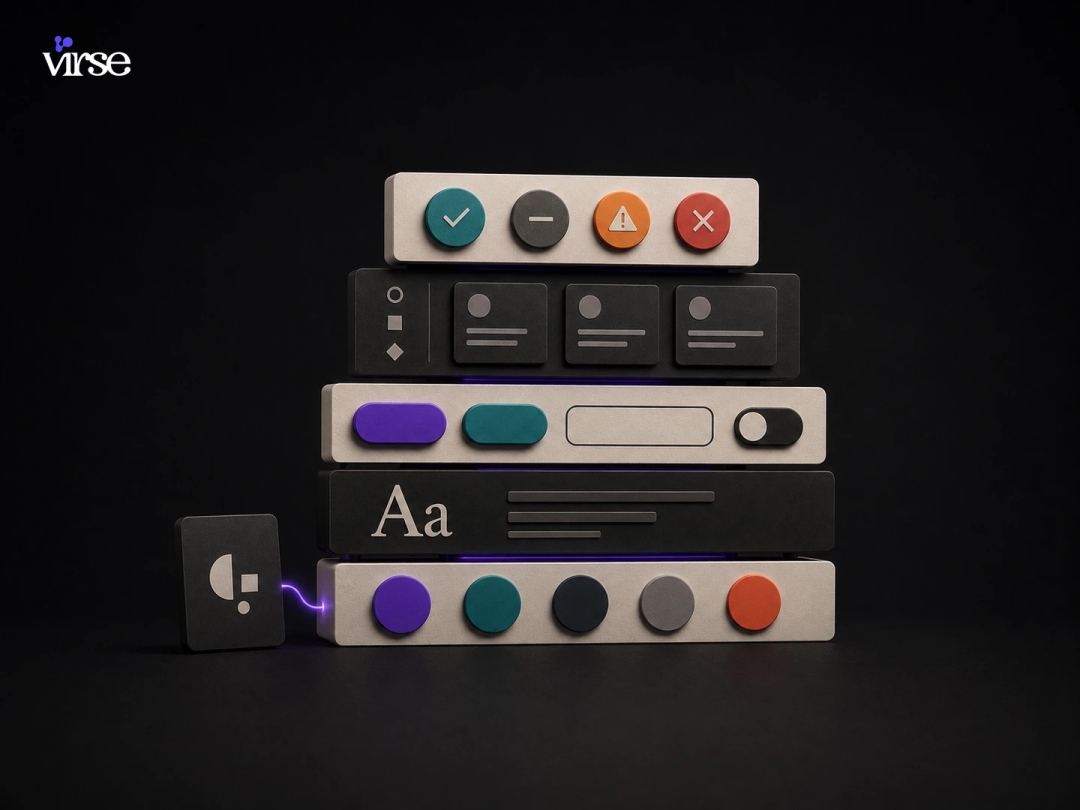
Virse Unifies Design System Drafts, Brand Style Guides, and Ideogram 4.0 Layouts

Virse Unifies Design System Drafts, Brand Style Guides, and Ideogram 4.0 Layouts
Virse puts visual design system drafts, brand style guide pages, two-sided business card previews, and native 2K Ideogram 4.0 bounding-box layouts on one shared canvas.
Virse brings visual UI design system drafts, brand style guide boards, two-sided business card previews, and native 2K Ideogram 4.0 layout control together on one Creative Canvas for agencies, founders, and brand managers.

Dover, Delaware - Nov. 21, 2026 - Virse has connected visual design system drafting, brand style guide creation, two-sided business card previews, and native 2K Ideogram 4.0 layout generation inside its node-based Creative Canvas. Built for creative agencies, startup founders, and brand managers, the workspace keeps logos, hex palettes, UI component boards, and print collateral side by side across 40+ AI models so teams settle visual direction before touching code or press templates.

Identity projects often break down before a single asset ships. A product designer opens a vector interface editor and builds 200 button variants around an unapproved accent color. Down the hall, a brand lead spends three afternoons assembling slide decks to explain type hierarchy to a founder who only wants to see how the mark reads on real collateral. By the time reviews finish, the stationery, packaging fronts, and app screens look like three separate companies built them.

Virse pulls early exploration onto one infinite workspace. Teams test UI rules, brand sheets, business cards, and typographic layouts side by side on a single screen.

Moving from UI component boards to brand manuals and stationery

Product teams launching a fresh interface or unifying aging screens begin inside the AI design system generator. Designers upload formal brand memos or screenshots from a live product that already shows working patterns, then list required interface elements such as buttons, form fields, navigation bars, and cards. Virse generates visual system drafts covering color roles, type scale, and spacing in minutes. Placing two or three directions beside existing app screens resolves visual debates quickly. Engineering boundaries stay plain: the builder creates visual reference drafts rather than exportable JSON design tokens, CSS stylesheets, or production component code.

Brand consultants and founders turn those visual choices into shared documentation inside the brand style guide generator. Users attach an existing logo and positioning notes, or start from a reference image and written description when no finished mark exists yet. An established business can also select the refresh path to modernize older brand sheets while preserving core recognition. The canvas renders multi-element pages covering palette usage, type contrast, photography mood, and sample applications side by side. Reviewers inspect every spread together, though turning the approved visual draft into a formatted, print-ready multipage PDF still sits with a graphic designer.

Once palette and typography hold steady, teams test physical print layouts inside the AI business card generator. Entering a contact name, job title, company, phone number, and email alongside an uploaded logo and named colors such as navy and coral produces matched front-and-back card previews. Reviewing both sides as one object exposes crowded corners right away, letting users trim a detail line and regenerate on the spot. Because output files arrive as 1K or higher raster PNG and JPG images without bleed margins, CMYK setups, or vector outlines, teams proofread every digit and hand the chosen concept to a designer or print shop for press preparation.

"Brand reviews drag on when color palettes sit inside a text file, UI buttons live in another app, and print mockups get locked inside static templates," said a spokesperson for Virse. "Running design system drafts, style guides, stationery previews, and bounding-box typography on one canvas lets teams inspect every touchpoint together before committing engineering hours or print budgets."

Controlling hex colors and placement with Ideogram 4.0

When a campaign requires wordmarks, exhibition posters, packaging fronts, social quote cards, or book covers with strict copy placement, paid subscribers route their brand assets into Ideogram 4.0. Trained from scratch on bounding boxes paired with text descriptions, Ideogram 4.0 treats element placement as learned geometry instead of an afterthought.

Designers supply plain-language placement instructions or write structured JSON briefs containing exact bounding boxes and hex color values right beside previous renders on the Virse canvas. Type hierarchy holds across headlines, subheads, and short labels in native 2K output with no soft upscaler. Multilingual display typography stays intact across scripts, and large comparison spreads put dozens of wordmark directions in front of an art director at once. Keeping the JSON brief parked next to the output grid means adjusting a single box coordinate or hex value edits the layout in place, and approved compositions can move directly into other canvas models for targeted refinement or video opening frames. Practical limits still apply: chosen wordmarks need vector redrawing before final print manufacture, and multi-sentence body paragraphs stay outside current image-model reach.

Teams organize JSON briefs, hex palettes, and finished layouts inside Virse Composer, Aesthetic Memory, and shared Asset Folders. Anyone can test image tools and 1K models through the Free plan, which starts new accounts with 200 compute credits and tops up 50 credits daily whenever balances drop below 200. Paid tiers cover Basic at 1,000 compute per month, Pro at 3,000 compute plus selected unlimited fast image models, Max tiers for higher image and video capacity, and Business plans supporting up to 50 seats.

About Virse

Virse builds a collaborative visual AI system created by machine learning engineers and commercial designers whose collective work holds more than 100 international design awards. Operating from Dover, Delaware, the platform unites 40+ AI image, video, and text models with Virse Composer, Aesthetic Memory, and shared Asset Folders on a node-based canvas. Brand agencies, product teams, and independent studios rely on Virse to evaluate identity systems and commercial visuals before committing to code or print production.

Media Contact
Company Name: Virse
Contact Person: Media Relations
Email:Send Email
Country: United States
Website: https://www.virse.ai/

Virse Connects Product Photo Variations, Clay Renders, and Seedance Video

Virse Connects Product Photo Variations, Clay Renders, and Seedance Video
Virse connects product image variations, model-holding-product compositing, 3D grey clay renders, and 30-second Seedance 2.5 video clips across 40+ AI models on one canvas.
Virse links subject-locked product photo variations, two-photo lifestyle hand compositing, 3D grey clay rendering, and 30-second Seedance 2.5 audio-video generation on one Creative Canvas for e-commerce brands and industrial design teams.

Dover, Delaware - Nov. 21, 2026 - Virse has connected three commercial product staging workflows with multimodal video synthesis inside its node-based Creative Canvas. Designed for e-commerce brands, commercial studios, and industrial design teams, the workspace links still image variations, hand-held product compositing, 3D grey clay rendering, and 30-second audio-video generation around 40+ AI models so approved products move from early CAD geometry to launch media on one screen.

Product launches rarely stall because a team lacks ideas. They stall between handoffs. An industrial designer exports a grey clay pass from CAD software and waits overnight for a traditional shader queue just to compare four anodized finishes. Down the hall, a marketplace manager holds one white-background bottle shot that needs a real hand holding it for social ads, three seasonal tabletop backdrops, and a short motion clip for the storefront carousel. Splitting that work across isolated render engines, external retouchers, and standalone video apps breaks visual continuity. Packaging labels drift, and lighting shifts from shot to shot.

Virse keeps the approved product anchored on one workspace while specialists build adjacent nodes. Verified geometry and studio stills pass directly between stages, letting creative teams keep the full project brief in sight instead of rebuilding prompt context from zero. Nobody rebuilds the brief from scratch at each step.

Staging variations, lifestyle hands, and clay finishes on one canvas

Catalog teams that already own a clean hero packshot or illustration often open the AI image variation generator first. After uploading one source image, a designer notes whether the backdrop, lighting mood, color palette, or camera angle should shift while the core object stays intact. Candidate frames land right next to the original photo on the canvas. Art directors approve clean scenes in seconds and delete drifted frames on sight. Because generative batches produce close visual relatives instead of pixel-identical CAD copies, retouchers still verify fine label typography and cap proportions before publishing product listings. That manual check takes minutes.

When a campaign needs human scale without booking a full studio crew, teams route the packshot into the model holding product compositor. Unlike text-only generators that invent synthetic faces, this tool requires two real uploaded photographs: a licensed model portrait and a clean product frame. A short pose note specifies one hand or two, held toward the camera or mid-use at chest height, so fingers wrap naturally around the item while label text stays sharp and studio shadows match across skin and packaging. Users remain responsible for holding proper commercial rights to any talent photograph they upload.

Hardware and housewares teams working earlier in product development start straight from CAD geometry inside the clay model render tool. Engineers upload an untextured grey 3D pass with clear form shadows and visible part breaks, such as distinct body, grip, and bezel seams. Plain-language finish notes like brushed aluminum or soft-touch polymer pair with a comma-separated list of colorways. Virse then outputs one, two, or four studio-lit shots locked to the exact same camera angle and lighting rig, making material differences plain to read side by side. The workflow runs strictly in one direction: grey 3D clay pass in, finished product shot out. It does not convert finished lifestyle photos back into clay models, nor does it render flat 2D pencil sketches.

"E-commerce and hardware teams lose entire days rebuilding the same product context every time a launch asset moves from a 3D review to a lifestyle ad or a short video clip," said a spokesperson for Virse. "Placing subject-locked variations, two-photo hand compositing, clay rendering, and multimodal video on one canvas keeps the verified product at the center of every asset."

Carrying approved stills into Seedance 2.5 video clips

Once still imagery passes creative review, paid subscribers route approved packshots, lifestyle hand shots, and colorway renders straight into Seedance 2.5 on the same workspace. Seedance 2.5 produces audio-video clips lasting up to 30 seconds in one generation. Vocals, music tracks, and ambient room sound render in sync with camera motion inside a single pass.

Directors steer each sequence using structured multimodal inputs and timeline cues instead of vague style adjectives. A single brief accepts up to 30 image references for products, props, talent, and interiors, paired with up to 10 video references for camera movement or pacing and up to 10 audio clips for rhythm and voice direction. Teams assign explicit roles to each asset, specify camera moves such as a slow dolly in or a low-angle orbit across timestamped beats, and extend finished clips across multiple rounds while holding characters and props steady.

Approved nodes stay grouped inside Virse Asset Folders alongside Virse Composer for localized edits and Aesthetic Memory for recurring brand standards. Still-image tools and 1K image models are open on Virse's Free tier, where new accounts start with 200 complimentary compute credits and receive a 50-credit daily refill whenever balances dip below 200. Video models like Seedance 2.5 and higher-resolution image outputs run on Basic, Pro, Max, and Business plans, with Business tiers supporting up to 50 seats across Draft, Image, and Image plus video roles.

About Virse

Virse develops a node-based visual AI workspace created by machine learning researchers and industrial designers whose collective work has earned more than 100 international design awards. Based in Dover, Delaware, the platform combines 40+ AI image, video, and text models with Virse Composer and Aesthetic Memory on an infinite canvas. Commercial photo studios, hardware brands, and e-commerce teams rely on Virse to carry early prototypes through final storefront visuals inside one collaborative environment.

Media Contact
Company Name: Virse
Contact Person: Media Relations
Email:Send Email
Country: United States
Website: https://www.virse.ai/

Gainesville Tree Service launches new website for tree removal, trimming and storm cleanup in Alachua County

Gainesville Tree Service launches new website for tree removal, trimming and storm cleanup in Alachua County
Gainesville Tree Service crew trimming a moss-draped live oak from a bucket truck and chipping brush outside a Gainesville, FL home.
Gainesville Tree Service has launched a new website where Gainesville and Alachua County homeowners can learn about tree removal, trimming, stump grinding and storm cleanup and request a free estimate.

Gainesville, Florida, United States - Nov. 21, 2026 - Gainesville Tree Service has launched a new website for homeowners and property managers in Gainesville and the surrounding North Central Florida area. The site explains the company's tree removal, tree trimming, stump grinding, storm damage cleanup and land clearing services, and gives residents a simple way to request a free estimate online.

Gainesville is known for its tree canopy. Live oaks, laurel oaks, water oaks, longleaf and loblolly pines, magnolias and sabal palms shade most neighborhoods in the city, and many of those trees were planted or left standing when the neighborhoods were first built. A large share of them are now several decades old. Laurel and water oaks in particular tend to decline as they age, and older pines can be weakened by bark beetles, lightning and root damage. The new website was built to help residents understand when a tree can be kept healthy with pruning or support hardware and when removal is the safer choice.

What the new website covers

The site is organized around the jobs Gainesville homeowners ask about most often:

  • Tree removal, including oak and pine removal and crane-assisted removal for trees that stand over a house with no safe place to lower the wood
  • Tree trimming and pruning that clears roofs, removes deadwood and raises crowns without topping the tree
  • Palm tree trimming that removes dead fronds and seed stalks while leaving the healthy green fronds in place
  • Emergency tree removal and storm damage cleanup for trees on roofs, cars and fences
  • Stump grinding, land clearing, and tree cabling and bracing for split-prone limbs
  • Free tree health checks that look for rot, lean and storm risk

Each service page explains what the work involves, what affects the price, and what a homeowner should expect on the day of the job, so residents can compare options before they call anyone.

Local area pages

The website also includes pages for neighborhoods across Gainesville, including Haile Plantation, Tioga, Jonesville, Millhopper and Northwood, along with nearby communities in the corridor from Lake City to Ocala. Each area page describes the trees and conditions that are common in that part of the region, such as the large oaks in older established neighborhoods and the pines that border newer subdivisions on the west side of the city.

Storm season preparation

Hurricane season and summer thunderstorms bring a steady risk of broken limbs and fallen trees in Alachua County. The new website includes guidance on preparing trees before storm season, on the warning signs that a tree may fail in high wind, and on what to do when a tree comes down on a roof, a vehicle or a fence. It also explains why removing too much of a healthy tree's canopy before a storm can do more harm than good.

Homeowners can read more about each service and request a free estimate at Gainesville Tree Service.

The website was designed and built by Gainesville Web Design, a web design studio based in Gainesville, Florida.

About Gainesville Tree Service

Gainesville Tree Service provides tree removal, tree trimming and pruning, stump grinding, storm damage cleanup, emergency tree removal and land clearing for homeowners and businesses in Gainesville and throughout Alachua County, Florida.

Media Contact
Company Name: Gainesville Tree Service
Contact Person: James S
Email:Send Email
City: Gainesville
State: Florida
Country: United States
Website: https://gainesvillefltreeservice.com/

Gainesville Tree Trimming launches new website focused on proper pruning for Gainesville oaks and palms

Gainesville Tree Trimming launches new website focused on proper pruning for Gainesville oaks and palms
A Gainesville Tree Trimming climber pruning a large live oak limb over a brick home in Gainesville, FL.
Gainesville Tree Trimming has launched a new website about tree trimming and pruning in Gainesville, FL, with guides to crown thinning, crown raising, live oak trimming, palm trimming and storm-prep pruning.

Gainesville, Florida, United States - Nov. 21, 2026 - Gainesville Tree Trimming has launched a new website dedicated to tree trimming and pruning for homeowners in Gainesville and the surrounding area. Instead of covering every kind of tree work, the site focuses on one job: pruning trees so they stay healthy, safe and clear of homes, driveways and power lines.

Many Gainesville yards are shaded by large live oaks, laurel oaks and magnolias. These trees add value and shade to a property, but they need regular care, and poor pruning is one of the most common causes of long-term damage. Topping, flush cuts and removing too much of the canopy at one time can leave a tree weaker, more prone to decay and more likely to drop limbs in a storm. The new website explains how proper pruning differs and when each type of cut is the right choice.

Pruning services explained

The website includes a dedicated page for each type of trimming work:

  • Full tree trimming and selective tree pruning done to arborist pruning standards
  • Crown thinning, which lets light and wind move through dense oak and magnolia canopies
  • Crown raising, which lifts low limbs over roofs, driveways, sidewalks and pool cages
  • Crown reduction, which shortens heavy limb ends without topping the tree
  • Live oak trimming for end-weight reduction and clearance on large oaks
  • Palm tree trimming that removes dead fronds and seed stalks and leaves the green fronds alone
  • Deadwood removal, hurricane and storm-prep pruning, and structural pruning for young trees

Each page describes what the work involves, how often it is usually needed, and what can change the cost of the job.

Timing and tree health

The site also covers timing. Oaks, palms, crape myrtles and other common North Florida trees respond differently to pruning at different times of year, and some cuts are better left until after the spring growth flush or until outside the peak of storm season. The website explains these differences in plain language so homeowners can plan trimming work around the health of the tree rather than only around convenience.

Young trees are another focus. Structural pruning in the first years after planting can help a new oak develop a single strong leader and well-spaced branches, which reduces the need for heavy corrective cuts later in the tree's life.

Neighborhood pages

The website includes pages for Gainesville neighborhoods such as Haile Plantation, Tioga, Jonesville, Millhopper, Northwood, Duckpond and University Park. Each page notes the kinds of trees that are common there, from the large heritage oaks of older neighborhoods to the young street trees planted in newer developments.

Homeowners can read the pruning guides and request a free estimate at Gainesville Tree Trimming.

About Gainesville Tree Trimming

Gainesville Tree Trimming provides tree trimming and pruning in Gainesville, Florida, including crown thinning, crown raising, crown reduction, live oak and palm trimming, deadwood removal and storm-prep pruning.

Media Contact
Company Name: Gainesville Tree Trimming
Contact Person: James S
Email:Send Email
City: Gainesville
State: Florida
Country: United States
Website: https://gainesvillefltreetrimming.com/

Gainesville Tree Removal launches new website to help homeowners deal with dead and hazardous trees

Gainesville Tree Removal launches new website to help homeowners deal with dead and hazardous trees
A Gainesville Tree Removal arborist checking a tree trunk for rot with a homeowner before a removal in Gainesville, FL.
Gainesville Tree Removal has launched a new website covering dead and hazardous tree removal, emergency and crane removal, stump grinding and lot clearing for homeowners in Gainesville, Florida.

Gainesville, Florida, United States - Nov. 21, 2026 - Gainesville Tree Removal has launched a new website for Gainesville homeowners who need a dead, dying or hazardous tree taken down safely. The site explains how removals are planned around homes, fences, driveways and utility lines, describes the equipment and methods used for tight spaces, and lets visitors request a free estimate online.

Many of the laurel and water oaks planted across Gainesville decades ago are reaching the end of their natural life span. Pines can be killed by bark beetles or lightning, and trees weakened by rot or root damage can fail during summer thunderstorms or tropical weather. The new website was created to help homeowners recognize when a tree has become a risk and to understand what a safe removal involves before any work begins.

Warning signs covered on the site

The website walks through the most common signs that a tree may need to come down, including:

  • Fungus or conks growing at the base of the trunk or on the root flare
  • Large dead limbs or a thinning, browning canopy
  • Cracks, splits or cavities in the trunk
  • A new or worsening lean, or soil heaving on one side of the tree
  • Pines with pitch tubes, bark beetle holes or lightning scars

Removal services

Each removal service has its own page on the new site:

  • Whole-tree removal, sectioned and lowered when space is tight
  • Dead tree removal and hazardous tree removal
  • Emergency tree removal for trees on roofs, cars and fences
  • Crane tree removal when there is no safe place to lower the wood
  • Oak, pine and palm tree removal
  • Stump grinding and lot and land clearing after the removal

The pages explain what affects the cost of a removal, such as the size of the tree, how close it stands to a structure, whether a crane is needed, and whether the stump and wood are ground and hauled away.

After the tree comes down

The website also covers what happens after a removal, including stump grinding below grade so the area can be sodded or replanted, cleanup of the yard and haul-off of wood and debris. For homeowners deciding whether to replace a removed tree, the site offers notes on choosing species that suit North Florida conditions and planting them a safe distance from the house.

Neighborhood pages

The site includes pages for Gainesville neighborhoods including Haile Plantation, Kanapaha, Tioga, Millhopper, Ironwood, Florida Park and Kirkwood, with notes on the types of trees and removal challenges common in each area.

Homeowners can learn more and request a free estimate at Gainesville Tree Removal.

About Gainesville Tree Removal

Gainesville Tree Removal removes dead, hazardous and storm-damaged trees across Gainesville, Florida, and also provides crane-assisted removal, emergency removal, stump grinding and lot clearing.

Media Contact
Company Name: Gainesville Tree Removal
Contact Person: James S
Email:Send Email
City: Gainesville
State: Florida
Country: United States
Website: https://gainesvillefltreeremoval.com/

Gutters Gainesville launches new website for seamless gutters, gutter guards and drainage in Gainesville, FL

Gutters Gainesville launches new website for seamless gutters, gutter guards and drainage in Gainesville, FL
A Gutters Gainesville installer fitting a new seamless gutter on a brick home in Gainesville, FL.
Gutters Gainesville has launched a new website for Gainesville homeowners covering seamless gutter installation, gutter guards for oak leaves and pine needles, downspouts, drainage, cleaning and repair.

Gainesville, Florida, United States - Nov. 21, 2026 - Gutters Gainesville has launched a new website for homeowners in Gainesville and the surrounding area. The site explains the company's seamless gutter installation, gutter guards, downspout and drainage work, gutter cleaning and gutter repair, and lets visitors request a free estimate online.

Gainesville's tree canopy is one of the city's best features, but it is hard on gutters. Oak leaves, pine needles, acorns and seed pods clog gutters through most of the year, not just in the fall. When a heavy summer downpour hits a clogged gutter, water spills over the edge and runs down the siding, soaks the fascia and collects against the foundation and in landscaping beds. The new website explains how gutter size, downspout placement and the right type of gutter guard help a home handle both the debris and the volume of Florida rain.

Services covered on the new website

  • Seamless aluminum gutter installation, formed on site to fit the roofline
  • Gutter replacement for old gutters that sag, leak or pull away from the house
  • Micro-mesh gutter guards sized for oak leaves and pine needles
  • Downspouts, extensions and underground drainage that move water away from the foundation
  • Gutter cleaning, including flushing downspouts
  • Gutter repair for leaks, loose hangers, sags and failed seams
  • Fascia and soffit repair before new gutters go up
  • Commercial gutters for offices and rental properties

Each service page explains what the work involves and what affects the price, such as the length of the gutter run, the number of downspouts, the height of the roofline and the condition of the fascia behind the old gutters.

Choosing gutter guards

Not every gutter guard works well under Gainesville's trees. Some screens let pine needles slip through or collect on top, and others clog with small oak debris. The new website compares common guard types and explains why fine micro-mesh guards are often a better fit for homes under heavy oak and pine cover. It also notes that guards reduce how often gutters need to be cleaned but do not remove the need for occasional maintenance.

Drainage and foundations

The site covers drainage as well as the gutters themselves. Downspouts that empty right next to the house can cause erosion, standing water and moisture problems. The website explains options such as larger downspouts, extensions and underground drain lines that carry water to a safer spot in the yard.

Neighborhood pages

The website includes pages for Gainesville neighborhoods including Haile Plantation, Tioga, Millhopper, Northwood, Duckpond, Golfview, Kirkwood and Oakmont, along with nearby Newberry.

Homeowners can learn more and request a free estimate at Gutters Gainesville.

Gainesville Web Design, a Gainesville, Florida web design company, designed and developed the site.

About Gutters Gainesville

Gutters Gainesville installs seamless gutters, gutter guards, and downspouts and drainage in Gainesville, Florida, and also provides gutter cleaning, gutter repair, fascia and soffit repair, and commercial gutter work.

Media Contact
Company Name: Gutters Gainesville
Contact Person: James S
Email:Send Email
City: Gainesville
State: Florida
Country: United States
Website: https://guttersgainesville.com/

Friday, November 20, 2026

Black Friday robot vacuum picks for 2026 are named in a new HomeSpaceSavvy comparison

Black Friday robot vacuum picks for 2026 are named in a new HomeSpaceSavvy comparison
Dock chores and wiping methods separate four current store packages.
HomeSpaceSavvy compares four packages for a Black Friday robot vacuum search, focusing on pad care, bin emptying and the chores left to the owner.

New York, NY - Nov. 20, 2026 - Black Friday robot vacuum options are compared in a revised guide from HomeSpaceSavvy. It compares four store packages by the chores left to the owner. It separates stations that wash wiping cloths from bases that only collect dirt. Its focus is the routine after each run, rather than an unverified saving or a larger number on the carton.

Full comparison and current prices: the HomeSpaceSavvy guide

Black Friday robot vacuum 2026: a complete package check

The HomeSpaceSavvy guide covers QV 35A, Qrevo S5V, Q10 S5+ and Q7 M5+. Each comes from the Roborock US store. The guide lists no coupon code for these choices. Any discount and final price depend on the store listing. The checkout terms confirm the price and order.

The first choice has spinning cloths and cold-air drying. Roborock Qrevo S5V has pad washing plus warm-air drying. Q10 S5+ uses a vibrating mop attachment, while Q7 M5+ provides an adjustable damp wipe. These features affect handling after a session. Automatic bin emptying does not establish that a base also washes cloths or dries them.

Black Friday robot vacuum deals: mop and roller care

A Black Friday robot vacuum purchase may combine vacuuming and mopping, which can reduce repeat chores without removing all of them. Someone must refill the fresh reservoir, empty the dirty water and rinse the tray where fitted. The QV 35A's full station needs room at the top to lift its tanks out. A narrow recess may leave less space for those tasks than the photograph suggests.

The S5V's stated suction ceiling is 12,000 Pa. That is a maker specification, not a measured ranking of performance. A buyer comparing a vacuum cleaner should examine the roller, main intake and route as well. Shoppers can choose what to buy based on the mess and layout. An owner may find a smaller base better suited to a tight utility room.

Hair makes brush care part of the decision. Even a dual anti-tangle system calls for checks around axles and the side attachment. Floor coverage also depends on clear routes. Loose leads, small toys and raised rug edges can interrupt work. A strong motor does not remove those limits, especially in busy homes with pets.

Robot vacuums: navigation and daily handling

LiDAR mapping plans a route, while obstacle avoidance helps with objects in its path. These are separate jobs. Neither is a promise that every cable will be missed. Owners can set app boundaries around a bowl, a fragile rug or another spot that should remain outside the cleaning area. Smart settings still benefit from a clear starting route.

Damp wiping requires a surface that permits moisture. Adjustable flow does not make all carpets or finishes suitable. The cloth lift, edge access and care instructions deserve a read before the purchase. A cordless robot's battery has to allow for the return trip. A maker's ideal runtime is not a fixed schedule for every room.

Roborock Qrevo: price, pet hair and what a dock can save

The guide's list makes the distinction between a self-emptying dock and a washing station visible before the store visit. Automatic dirt transfer saves one chore. Pad care may remain manual. This distinction can help shoppers who want a cleaner that suits an existing routine, rather than a package that adds awkward lifting.

For Black Friday robot vacuum deals, the report recommends comparing spare bags and filters, return policy and package contents. A vacuum and mop package can leave different chores from a vacuum alone. A model suffix can identify an included base. A photo alone is not enough. Owners should know which parts arrive, how many days a return permits and what handling charges may apply.

A Black Friday robot vacuum deal can be assessed against those practical details even when no coupon is available. A self-emptying base empties the dust bin, but a full-service dock also cleans pads where specified. For pet hair, shoppers can check the roller and budget for replacement bags and filters when comparing offers. The guide does not predict whether prices will fall later in November.

The HomeSpaceSavvy guide keeps those choices alongside the four product summaries. It presents maker specifications as claims from current maker pages. It does not claim that the publisher has used the machines or ranked them through laboratory trials. Good fit is judged by chores, access and upkeep.

Small differences can matter over weeks of use. These picks include an auto-empty option and a washing station. The machine must fit the home.

A Black Friday robot vacuum sale is also a time to consider whether a mop is needed every day. Robot vacuums vary in how they handle carpets, and owners must still clean the equipment. High power alone does not establish efficient dust pickup.

The complete HomeSpaceSavvy guide, with each pick and its current price

About HomeSpaceSavvy

HomeSpaceSavvy shares ideas for rooms and guides to household products. Its website covers living spaces, kitchens, bathrooms and bedrooms. The site pairs decor ideas and layouts with furniture finds. It also publishes buying guides.

Media Contact
Company Name: HomeSpaceSavvy
Contact Person: Editorial Team
Email:Send Email
Country: Australia
Website: https://homespacesavvy.com/

Air purifier Black Friday deals for 2026 are compared in a new HomeSpaceSavvy buying guide

Air purifier Black Friday deals for 2026 are compared in a new HomeSpaceSavvy buying guide
Four sourced choices put capacity and upkeep beside a dated DREO offer.
HomeSpaceSavvy compares air purifier Black Friday deals for 2026, covering capacity, cartridge care and a DREO code ending 6 December.

New York, NY - Nov. 20, 2026 - Air purifier Black Friday deals are the subject of a 2026 buying article published by HomeSpaceSavvy, with a focus on maintenance and placement. Four selections span DREO and GARVEE. Each entry pairs the maker's stated functions with a practical limitation, allowing readers to compare routine care before judging a seasonal reduction.

Full comparison and current prices: the HomeSpaceSavvy guide

Air purifier Black Friday deals: look beyond the sticker

The air purifier Black Friday deals guide names Macro Max AS and 539S from DREO, plus GARVEE True HEPA Air Purifier and PJ13. DREO's recorded promotion gives 20% off with 26USBFCM until 6 December 2026. The GARVEE selections carry no code. The discount does not promise a particular sale price. Current prices, delivery terms and package contents remain matters to confirm at checkout.

A buyer can find the four-unit comparison in the HomeSpaceSavvy guide. The entries explain their differences. The report covers cartridge availability and returns. A premium finish may fit the furnishings without making it the best choice for the intended task.

Air purifier deals: HEPA air purifiers for a defined room

For air purifier Black Friday deals, headline coverage is only useful when its conditions are clear. The GARVEE pages describe 344 sq ft and 404 sq ft examples refreshed five times per hour. Those figures are different from the much larger areas shown in their headlines. A shopper comparing units should check the refresh frequency rather than assume that every area claim uses one method.

The 539S lists 158 CFM CADR. That clean-air rate is more informative than an unexplained area total, but it still depends on the relevant setting. A quiet setting may move less air than full speed. The best option for a room depends on its layout and the setting that will actually be used.

Air purifier Black Friday deals: filtration and filter care

Air purifier Black Friday deals include the Macro Max AS, which offers four modes and 18 speed steps through its phone interface. The two GARVEE devices support app control over a 2.4GHz connection and provide a particle display and smart automatic adjustments. These features can help fit operation around a household schedule. Basic settings should also be easy for other people sharing the home to understand.

The GARVEE construction combines a washable outer screen with an H13 HEPA filter and carbon core. Rinsing is limited to the outer layer. The inner media must remain dry. Buyers looking at several devices should match the replacement part to the exact unit rather than order by appearance alone.

HEPA filters address dust, smoke, pet dander and other particles that can include allergens, while activated carbon has a separate role for some odors and gases. Air purifiers do not solve every indoor air quality problem. The report cites EPA guidance on addressing sources and ventilation alongside portable cleaning. No allergy advice or relief from allergies is promised, and a sensor reading is not proof that all airborne hazards have gone.

Air purifier deals: sale price, reviews and noise

When comparing air purifier Black Friday deals for a bedside position, a sleep mode and the ability to darken a display may matter more than extra functions. Quiet operation should be assessed at a useful output, not paired with an unrelated maximum. A fan setting name alone does not establish measured performance.

Independent testing can add context to a manufacturer's specifications. A useful report identifies the conditions under which something was tested. Figures taken from different procedures should not be combined into one result. HomeSpaceSavvy presents sourced specifications and upkeep trade-offs, without claiming laboratory measurements of its own.

Before deciding to buy, shoppers can compare the sale price, discounts and replacement filters for each design. A lower price today does not necessarily save money over the year. Air purifier deals may cover a unit suited to a small bedroom, but large rooms require sufficient airflow. Bedrooms, separate living areas or offices with closed doors may require separate machines. A quieter setting may be more comfortable at night, although lower speed means reduced filtration.

The air purification technology captures particles as air passes through its filter. The guide supplies model size and upkeep information. It explains which parts can be cleaned and which must be replaced. During a Black Friday sale, the purchase total should be assessed alongside future filter costs and available space. A white finish or smart controls may suit a household, but neither establishes a suitable choice on its own. The right deal depends on how and where the cleaner will be used. Independent reviews can provide context when they specify the test conditions.

The complete HomeSpaceSavvy guide, with each pick and its current price

About HomeSpaceSavvy

HomeSpaceSavvy brings together ideas for arranging domestic spaces and choosing household equipment. Readers can browse kitchen, lounge, bathroom and bedroom topics alongside product comparisons. Its stated focus includes furniture layouts, storage and practical use of the area at hand. The air purifier Black Friday deals update applies that approach to a purchase with ongoing maintenance demands.

Media Contact
Company Name: HomeSpaceSavvy
Contact Person: Editorial Team
Email:Send Email
Country: Australia
Website: https://homespacesavvy.com/

Black Friday smoke detector picks for 2026 are named in a new HomeSpaceSavvy comparison

Black Friday smoke detector picks for 2026 are named in a new HomeSpaceSavvy comparison
HomeSpaceSavvy compares X-Sense and First Alert alarms and an X-Sense code
HomeSpaceSavvy compares four connected models and an X-Sense offer in its Black Friday smoke detector guide.

New York, NY - Nov. 20, 2026 - Black Friday smoke detector shoppers can compare four connected smoke and CO models in a new HomeSpaceSavvy guide. HomeSpaceSavvy covers two X-Sense models and two First Alert SC5 versions, separating phone notifications from the ability to sound linked alarms throughout a home. It also lists an X-Sense coupon and explains what the selected packages contain.

Full comparison and current prices: the HomeSpaceSavvy guide

Black Friday smoke detector: smart smoke alarm connections

The X-Sense SC07-MR uses the SBS50 base station for connected functions and linked sounders. Its five-alarm kit includes the hub, while smaller packs have different contents. A household can compare pack contents before ordering another hub.

This smart smoke detector supports phone monitoring away from home. The SC07-WX connects directly to 2.4 GHz Wi-Fi. It is an option for a household that wants messages without a separate hub. It sends app notifications, but its sounders do not interconnect and it is not compatible with the SBS50. Several alarms can share an account without forming a linked network. The distinction matters when comparing advanced features: a message to a phone and a local warning from multiple sounders do separate jobs.

First Alert's SC5 Battery has voice alerts and replaceable lithium cells. It can connect wirelessly with selected SC5 and Nest Protect units; linking with Nest requires Google Home and a Google Account. The hardwired SC5 version uses a matching mains supply, a reserve cell and hardwire links. Its smart smoke design can connect to supported alarms. Buyers should consult the maker's compatibility list before combining alarms.

Black Friday smoke detector: smart home offers and battery choices

The Black Friday smoke detector offer listed in the guide is X-Sense code BFCMXS13 for 13% off, ending 30 December. The item link applies it at its destination. It is a limited time promotion, and the guide does not claim that it combines with other discounts or guarantee a checkout result.

The two SC5 entries lead to retailer MRO Supreme; no coupon is asserted for them. For Black Friday smoke detector purchases, buyers can compare the same model, pack size, delivery terms and included accessories. Battery and pack configurations can also affect the comparison. A hub in one kit can change what must be ordered separately. The guide lists the promotion beside the relevant entries and their conditions. Households can compare products and types to see which smart smoke alarm suits an existing smart home system, then assess smart smoke alarms by supply type, wireless links and protection.

Smart smoke detectors: carbon monoxide alarm and fire safety

A Black Friday smoke detector comparison also needs to distinguish battery life from the service life of the alarm. A 10-year service life does not necessarily mean a sealed battery that lasts for the whole period. Some models have replaceable batteries, while others have a fixed reserve. The manual explains battery replacement and testing for each version. Manufacturer instructions identify the mounting location, sensing technology and applicable standard. They also describe how to test each device and where to install it.

A combined sensor detects smoke and carbon monoxide, which are separate hazards. Smart smoke detectors can monitor both hazards when their listed sensors cover them. A smoke-only alarm does not provide CO detection. A carbon monoxide alarm is designed to detect carbon monoxide, an odorless gas. The display or phone connection does not change which hazards its sensor covers. Smoke detectors do not replace an escape plan for fires. The U.S. Fire Administration recommends a smoke alarm in each bedroom, outside sleeping areas and on every level. It recommends a monthly check of each alarm as instructed.

When should a fire alarm be replaced? Smoke units generally need replacement after 10 years; the manufacture date and maker's instructions establish the schedule for an individual alarm. If an alarm beeps, the manual can help identify the signal and the required response. Phone alerts and optional support do not replace a monthly smoke alarm check or maintaining an escape plan.

HomeSpaceSavvy brings the Black Friday smoke detector selections together with installation and maintenance guidance. It asks readers to compare power supply, coverage and supported connections as well as the sale terms and available discounts. The guide explains how interconnected devices work and what each feature can provide. A buyer making a choice can compare the unit, its app control and whether the household can receive notices on a phone.

The complete HomeSpaceSavvy guide, with each pick and its current price

About HomeSpaceSavvy

HomeSpaceSavvy publishes room ideas and guides to furniture and household equipment. Its sections cover kitchens, living rooms, bathrooms and bedrooms. Product roundups compare choices for specific jobs around the home.

Media Contact
Company Name: HomeSpaceSavvy
Contact Person: Editorial Team
Email:Send Email
Country: Australia
Website: https://homespacesavvy.com/