
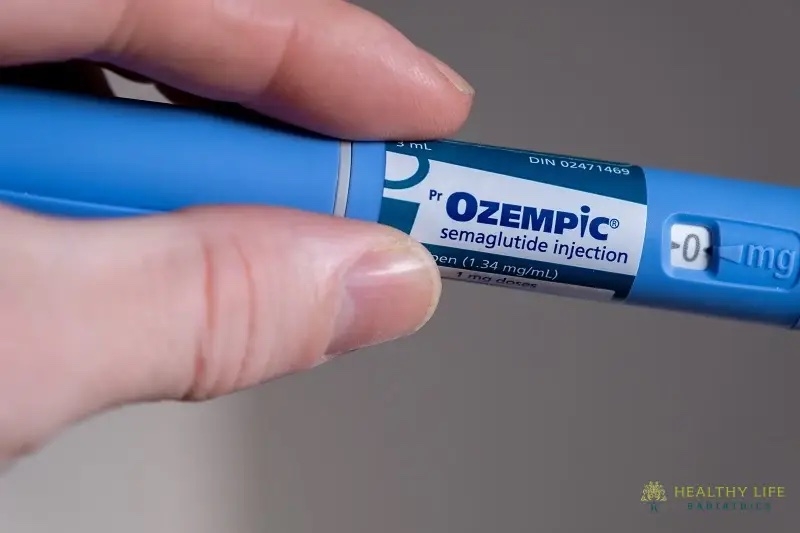
What Happens When You Stop Taking Ozempic? Key Physiologic Changes, Common Concerns, and Safer Next Steps in Los Angeles
Ozempic® (semaglutide) has become widely used for type 2 diabetes management and, in some settings, medical weight management under clinician supervision. Many patients experience improved appetite control and better glycemic stability while on therapy—yet an equally important question is what happens after the medication is discontinued. Understanding the expected physiologic shifts can help patients and clinicians plan a safer transition and protect long-term metabolic health.
How Ozempic Works in the Body
Ozempic is a GLP-1 receptor agonist, meaning it mimics the activity of glucagon-like peptide-1 (GLP-1)—a naturally occurring gut hormone involved in:
-
Glucose regulation: stimulating insulin release in a glucose-dependent manner
-
Appetite signaling: enhancing satiety and reducing hunger cues
-
Gastric emptying: slowing how quickly food leaves the stomach, which can blunt post-meal glucose spikes and promote fullness
These combined effects often support lower blood sugar levels, reduced caloric intake, and clinically meaningful weight reduction in appropriate patients.
How Long Ozempic Stays Active After the Last Dose
Because Ozempic is typically dosed once weekly, its activity persists beyond the day of injection. Many patients notice that appetite and glycemic effects may continue for several days, but as the drug clears, those effects can gradually diminish. Individual timing varies based on dose, adherence, physiology, and coexisting metabolic conditions.
What Changes When You Stop Taking Ozempic?
Stopping Ozempic does not “break” the body—but it can remove several physiologic supports that patients had been relying on. The most common changes occur in three main areas:
1) Appetite and Satiety Signals May Rebound
Without GLP-1 receptor stimulation, some patients experience:
-
Increased hunger
-
More frequent cravings
-
Reduced early fullness during meals
This can make portion control more difficult unless a structured nutrition plan is in place.
2) Weight Regain Can Occur
Weight regain after discontinuation is a well-described concern in clinical practice, especially when lifestyle strategies have not been optimized or when underlying drivers of obesity remain untreated. The degree of regain varies and is influenced by:
-
dietary structure and protein intake
-
activity level and resistance training
-
sleep quality, stress, and mental health support
-
whether alternative therapies are introduced
3) Blood Sugar Control May Become Less Predictable
For patients taking Ozempic for type 2 diabetes, stopping may lead to:
-
higher average glucose levels
-
larger post-meal spikes
-
more variability requiring closer monitoring and medication reassessment
This is particularly important for patients with a history of elevated A1C, insulin resistance, or cardiometabolic comorbidities.
“Ozempic Face” and Appearance Changes: What It Really Means
“Ozempic face” is a popular term describing facial volume loss or skin laxity that can accompany rapid weight loss. It is not unique to Ozempic—similar changes may occur with any significant or fast reduction in body mass. After stopping, facial appearance may stabilize, but outcomes depend on:
-
total weight change and speed of loss
-
baseline skin elasticity and age
-
hydration, nutrition, and resistance training
-
professional aesthetic or dermatologic options when appropriate
Emotional and Psychological Effects After Discontinuation
The transition off Ozempic can be psychologically challenging. Patients may experience:
-
frustration if hunger returns strongly
-
anxiety about weight regain
-
reduced motivation if progress slows
In many cases, behavioral therapy, structured coaching, or support groups improve adherence to long-term habits—especially during the first months after stopping.
Potential Benefit: Side Effects May Improve
Some patients discontinue because of gastrointestinal side effects such as:
-
nausea
-
vomiting
-
diarrhea or constipation
For those individuals, stopping the medication may reduce symptom burden. However, discontinuation should be planned with a clinician to avoid destabilizing glucose control or triggering rebound hunger without support.
A Safer Transition Plan: How to Maintain Results After Ozempic
A sustainable plan typically includes:
Nutrition Strategy (Clinician-Guided)
-
prioritize protein-forward meals and high-fiber foods
-
reduce ultra-processed foods and sugar-sweetened beverages
-
use structured meal timing to reduce grazing and late-night intake
Exercise Strategy
-
aim for at least 150 minutes/week of moderate activity
-
add resistance training to preserve lean mass and support metabolic rate
Medical Monitoring
-
track weight trends and waist circumference
-
monitor fasting and post-meal glucose (as appropriate)
-
reassess A1C and cardiometabolic risk factors with your medical team
When Medication Isn’t Enough: Long-Term Options for Weight Management
For some patients—especially those with persistent obesity, obesity-related diseases, or repeated weight cycling—medical therapy alone may not provide durable results. In these cases, physician-supervised strategies may include:
-
advanced lifestyle + metabolic programs
-
alternative anti-obesity medications where appropriate
-
bariatric surgery options for qualifying candidates
In Los Angeles, Dr. Moein works with patients seeking comprehensive, long-term solutions—especially when metabolic health is complex or weight regain has become recurrent.
Consultation in Los Angeles, CA: Planning Beyond Ozempic
If you are considering stopping Ozempic—or have already discontinued and are noticing appetite changes, weight regain, or blood sugar variability—clinical guidance matters. A personalized plan can help protect the progress you’ve made and reduce rebound effects.
Healthy Life Bariatrics – Los Angeles, CA To discuss long-term weight management strategies and surgical options such as gastric sleeve (for appropriate candidates), contact the office to schedule a consultation.
Media Contact
Company Name: Healthy Life Bariatrics
Contact Person: Bariatric Surgeon Dr.Moeinolmolki
Email:Send Email
Phone: +1(310)861-4093
Address:2080 Century Park East, Suite 501
City: Los Angeles
State: CA
Country: United States
Website: https://healthylifebariatrics.com/

