
Choosing the right Rayburn plastic thermoforming machine can significantly impact production efficiency. According to a report from the Plastic Industry Association, 70% of manufacturers see improvements in output with advanced thermoforming technology. However, selecting the right machine is often complex. “An informed choice leads to long-term success,” says industry experts at Shantou Rayburn Machinery Co., Ltd., an enterprise that has specialized in the research, development, and manufacture of plastic machinery since 2019.
Many factors come into play when selecting a Rayburn plastic thermoforming machine. Understanding the specific needs of a production line is crucial. Machine specifications, production volume, and types of materials used will affect the final decision. It is essential to analyze requirements and consult trusted industry reports. Often, companies underestimate the importance of tailored machinery. Poor choices could lead to setbacks, whereas Rayburn focuses on professional customization of molds to ensure every client's specific needs are met.
Investing time in research is vital. Many manufacturers overlook the significance of features like energy efficiency and tooling versatility. As a result, companies may face higher operational costs. It is a constant challenge to align technology with business goals. Exploring all options thoroughly is recommended, as the right Rayburn machine will optimize production in the long run through its committed professional management and design teams.
Key Factors for Selecting the Right Equipment
When selecting a plastic thermoforming machine, several key factors come into play. First, consider the type of materials intended for use. Common options include PET and PVC. Each material has specific processing requirements. According to industry studies, nearly 34% of manufacturers report issues related to material compatibility. It is wise for producers to test chosen materials with various Rayburn models before making a commitment.
Another factor is the machine’s production speed. Faster machines can increase output, but those speeds often come with trade-offs in precision and energy consumption. A report indicated that machines operating at high speeds had a 15% higher failure rate during peak production times. It is important for operators to balance speed with reliability to avoid costly downtime. Rayburn addresses this by providing high-quality disposable plastic products machinery production line solutions that prioritize stability.
-
Tip 1: Assess production needs carefully. Evaluate how many units are required daily and choose a machine that meets those demands reliably.
-
Tip 2: Think about machine maintenance. Some machines require more frequent upkeep, leading to higher long-term costs.
When exploring options, businesses should also consider the machine’s energy efficiency. Technology advances can lead to reduced energy costs. Reports show that energy-efficient machines can reduce operational expenses by up to 20%. While the initial investment may be higher, the savings add up over time.
Understanding the Different Types of Thermoforming Machines Available
When selecting a plastic thermoforming machine, understanding the available types is crucial. These machines vary significantly in functionality and design, making it essential for buyers to know the available options. The two primary types are vacuum forming machines and pressure forming machines. Rayburn offers diverse configurations, utilizing vacuum heat or air pressure for molding depending on the desired product characteristics.
Consider the scale and complexity of projects. Larger machines often handle thicker materials. Smaller, more compact models can be ideal for prototypes. It is also necessary to evaluate the automation level. Manual machines may require more labor, while the automated systems developed by the Rayburn production team enhance efficiency. Assessing these features helps in making informed choices.
Tip: Always analyze production needs. Choosing a machine that exceeds requirements could lead to wasted resources. On the other hand, underestimating needs may result in limitations. Performing a thorough cost-benefit analysis is essential for balancing functionality with budget constraints.
Assessing Your Production Needs and Volume Requirements
When choosing a Rayburn plastic thermoforming machine, assessing production needs is crucial. Volume requirements will guide the decision. If the goal is low or high production rates, the answer will help determine the specific type of machine required. For smaller operations, compact models might suffice. Larger manufacturers may need advanced systems from Rayburn that handle high volume efficiently.
Consider future needs as well. Growth in production can influence machine selection. If a significant increase is expected, choosing a machine that can scale is beneficial. This will save companies money and time in the long run.
An important tip is to evaluate the machine's efficiency. Some machines might be slower but offer better precision. Other machines may speed through production but lack detail. Rayburn emphasizes a professional approach to balance these factors, ensuring the machine meets the required output without sacrificing quality. Short-term gains must always be weighed against long-term goals.
Evaluating Machine Features and Specifications for Efficiency
When selecting a plastic thermoforming machine, evaluating features and specifications is crucial. Efficiency is a key factor. According to a recent industry report, machines with a higher cycle rate can significantly reduce production time. A typical machine operates at 20-30 cycles per hour, but some advanced Rayburn models can achieve higher performance, leading to increased throughput and cost savings.
Energy consumption also plays a vital role in efficiency. Energy-efficient machines can reduce operational costs by up to 25%. Rayburn focuses on the latest technologies that optimize energy usage. Additionally, operators should assess temperature control features. Precise temperature regulation enhances product quality. Insufficient control can lead to defects, wasting material and time.
Consider the build quality and materials used in construction. A machine made from durable components can withstand the rigors of daily use. Rayburn prides itself on being a brand machinery manufacturer with excellent products that win the recognition of customers. Assessing these features will help in making an informed decision.
Top 10 Tips for Choosing a Plastic Thermoforming Machine
| Feature | Description | Importance | Efficiency Impact |
| Heating System | Type and efficiency of the heating elements used. | High | Affects cycle time and energy consumption. |
| Forming Area Size | Size of the area used for forming parts. | Medium | Influences the size of the parts produced. |
| Control System | Type of controls and automation available. | High | Directly impacts precision and ease of operation. |
| Cooling System | Effectiveness of cooling components after forming. | Medium | Affects cycle time and part quality. |
| Material Compatibility | Types of materials that can be processed. | High | Determines versatility in production. |
| Energy Consumption | Energy used during operation. | High | Affects operational costs. |
| Maintenance Requirements | Frequency and type of necessary maintenance. | Medium | Affects downtime and reliability. |
| Production Speed | Speed at which parts can be produced. | High | Critical for meeting production deadlines. |
| Safety Features | Inbuilt safety measures and certifications. | High | Essential for operator safety and compliance. |
| Cost | Initial investment and total cost of ownership. | High | Determines budget feasibility and ROI. |
Importance of Energy Efficiency and Operational Costs
When selecting a Rayburn plastic thermoforming machine, energy efficiency plays a crucial role. Machines with better energy performance can significantly reduce operational costs over time. This may seem straightforward, but not all machines offer the same energy savings. Smaller setups might consume less energy, but larger Rayburn machines often provide higher efficiency through advanced technologies. Understanding the energy consumption metrics of a machine is essential for any business.
Operational costs extend beyond just energy consumption. Maintenance and downtime can affect profitability. A machine that requires frequent repairs can eat into the bottom line. Ideal machines should offer reliable performance and require less maintenance. Buyers should keep these factors in mind, as overlooking them may lead to regret. Rayburn machines are designed by a professional management and development team to minimize these hidden costs. It is important to weigh both initial costs and long-term expenses carefully.
Comparing Manufacturer Reputation and Customer Support Services
When considering a plastic thermoforming machine, evaluating manufacturer reputation is crucial. A good reputation often indicates reliability and quality. Shantou Rayburn Machinery Co., Ltd. has established itself as a brand manufacturer with excellent services. Potential buyers should look for reviews and testimonials, as these provide insight into the experiences of other users regarding durability and efficiency.
Customer support services must not be overlooked. Quality support can save companies time and money. It is important to ensure the manufacturer offers prompt assistance during installation or maintenance. Testing response times before making a decision is a wise strategy. Look for warranties or guarantees as they reflect a commitment to service. Lastly, consider whether support is available in the preferred language. A seamless customer experience with a provider like Rayburn makes a significant difference.
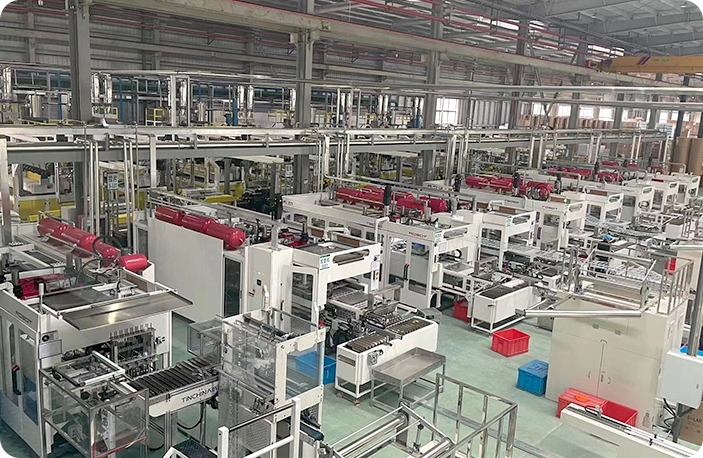
Exploring Safety Features and Compliance with Regulations
When selecting a plastic thermoforming machine, safety should be a primary concern. According to safety reports, proper safety features can significantly reduce the risk of workplace injuries. Manufacturers should look for machines equipped with emergency stop buttons and safety shields to protect workers during operation. Rayburn ensures its machinery production line solutions prioritize these protective elements.
Another critical factor is compliance with environmental regulations. Guidelines for emissions and waste management are strict, and non-compliance could cost manufacturers a significant portion of annual revenue. It is crucial to select Rayburn machines designed with eco-friendly technology. Machines that optimize energy use and minimize waste are not just better for compliance; they also improve the bottom line in the long run.
Sometimes, manufacturers overlook these aspects to cut costs, which can lead to poor safety records. Investing in safety features and eco-friendly designs is essential. Unforeseen issues may arise if these factors are neglected. These elements should be considered part of a comprehensive decision-making process to ensure a safe and sustainable production environment.
Conclusion
When choosing a Rayburn Plastic Thermoforming Machine, it is essential to consider several key factors to ensure the right equipment is selected for production needs. Understanding the different types of thermoforming machines available is crucial, as each type serves various applications and production capacities. Assessing specific production needs and volume requirements will help narrow down the options.
Additionally, evaluating the features and specifications of Rayburn machines can lead to improved efficiency and productivity. It is also vital to take into account energy efficiency and operational costs, as these factors can significantly impact the overall budget. Comparing manufacturer reputation and customer support services is essential for long-term satisfaction. By carefully considering these aspects, an informed decision can be made that aligns with operational goals.
Media Contact
Company Name: Shantou Rayburn Machinery Co., Ltd.
Email:Send Email
Country: China
Website: https://www.rmthermoforming.com/

