
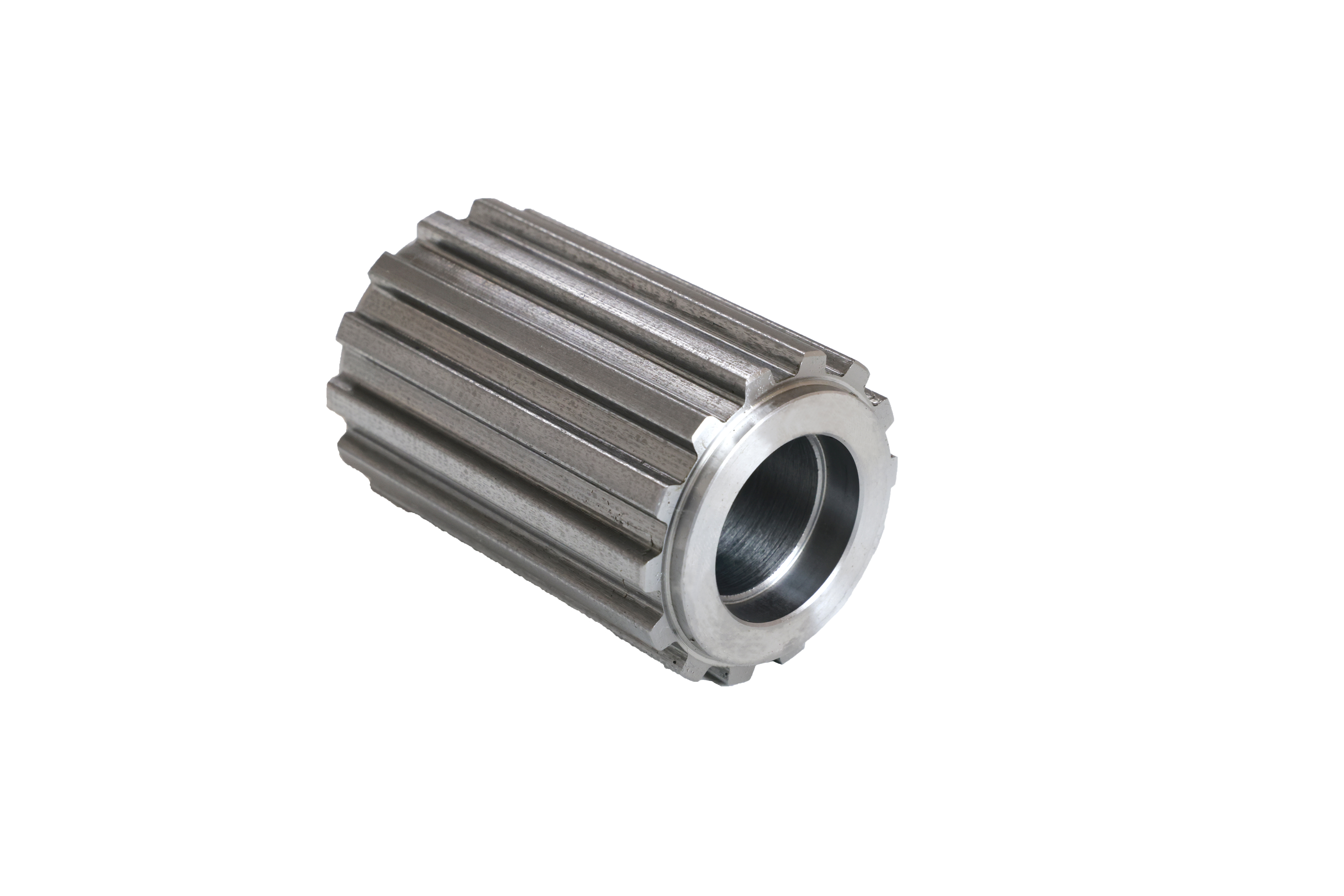
Agile custom pulley development services accelerate time-to-market, enhance product quality, and reduce overall costs. This approach ensures precise fit and function for Bespoke components from the outset. It minimizes costly rework and optimizes manufacturing for custom synchronous belt pulleys. This addresses the need for faster production cycles and optimized processes in modern Precision Machinery.
Key Takeaways
- Agile custom pulley development makes products faster. It uses quick steps and feedback. This helps companies get new products to market quickly.
- This method improves product quality. It finds problems early. This saves money and makes pulleys work better.
- Agile development is flexible. It helps companies change designs easily. This keeps products up-to-date with new needs.
Traditional Pulley Development Bottlenecks
TraditionaL Pulley development often encounters significant obstacles, leading to delays, increased costs, and reduced adaptability. These bottlenecks hinder efficient production and prevent manufacturers from responding quickly to market demands.
Slow Design Cycles and Prototypes
Conventional pulley development processes typically involve lengthy design phases. Engineers create initial designs, which then undergo extensive review. This often leads to multiple iterations before reaching a prototype stage. Manufacturing a physical prototype consumes considerable time and resources. Each design adjustment necessitates a new prototype, further extending the development timeline. This sequential approach lacks the speed required for modern production environments.
High Costs of Design Changes
Making changes in traditional pulley development becomes increasingly expensive as the project progresses. Early design flaws, if discovered late, require significant rework. This includes re-tooling, re-manufacturing prototypes, and re-testing. Each modification incurs substantial financial penalties. These unforeseen costs can quickly inflate project budgets and erode profit margins.
Limited Flexibility for Evolving Needs
Traditional methods offer limited flexibility once a design is finalized. Market demands or technological advancements often necessitate design modifications. However, the rigid structure of conventional development struggles to accommodate these evolving needs. Adapting to new specifications becomes a complex and time-consuming endeavor, often requiring a near-complete restart of the design process. This inflexibility can leave products outdated before they even reach the market.
Impact on Production Timelines
The cumulative effect of slow design cycles, costly changes, and limited flexibility directly impacts production timelines. Delays in development translate into delays in manufacturing and product launch. This extended time-to-market can result in missed opportunities and a loss of competitive advantage. Manufacturers struggle to meet tight deadlines, affecting overall operational efficiency and customer satisfaction.
Agile Custom Pulley Development: A New Approach
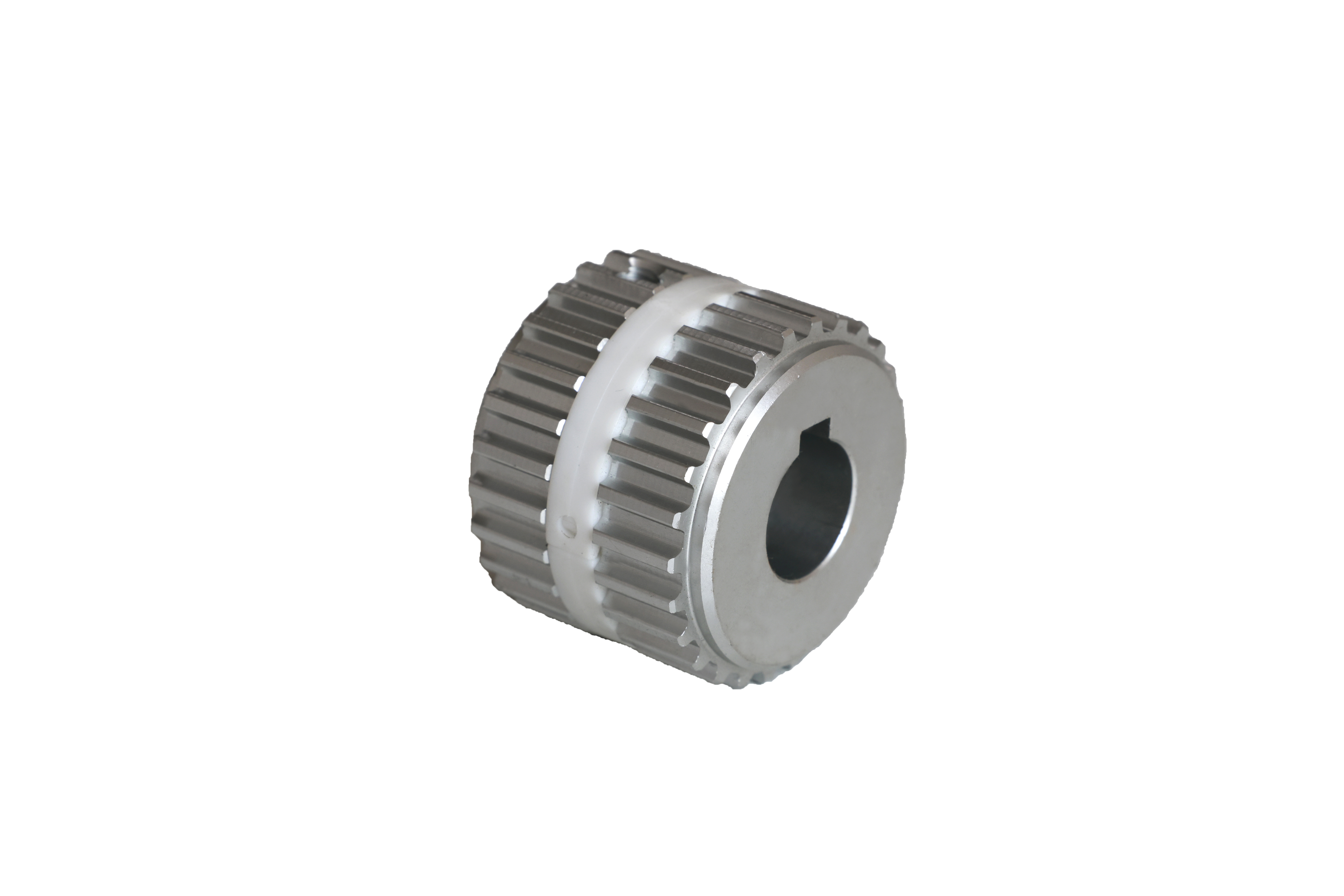
Agile custom pulley development offers a dynamic, iterative approach. It prioritizes flexibility and continuous feedback. This method significantly improves efficiency and product quality compared to traditional models.
What is Agile Development for Pulleys
Agile development transforms the creation of components like custom synchronous Belt Pulleys. It moves away from rigid, linear processes. Instead, it embraces flexibility and collaboration. This approach breaks down large projects into smaller, manageable iterations. Teams work closely, adapting to new information and requirements throughout the development cycle. This ensures the final product precisely meets evolving needs.
Key Principles: Iteration and Feedback
Two core principles drive agile development: iteration and feedback. Iteration involves completing work in short, focused cycles, often called sprints. Each sprint delivers a functional piece of the product. After each iteration, stakeholders provide immediate feedback. This continuous input allows teams to identify and address issues early. They refine designs and functionalities based on real-time insights. This iterative loop ensures constant improvement and alignment with project goals.
Agile Versus Traditional Models
Agile development stands in stark contrast to traditional, waterfall models. Traditional methods follow a sequential path, completing one phase before starting the next. This often leads to late discovery of problems and costly rework. Agile, however, promotes concurrent activities and continuous adaptation. It empowers teams to respond quickly to changes. This results in faster delivery, higher quality products, and greater customer satisfaction. Agile models foster a more dynamic and responsive development environment.
Core Benefits of Agile Custom Pulley Development Services
Agile custom pulley development services deliver significant advantages. They accelerate product delivery, enhance quality, reduce costs, and foster greater adaptability and collaboration. These benefits collectively streamline production and provide a competitive edge.
Accelerated Time-to-Market
Agile development significantly shortens the time products take to reach the market. Its iterative nature allows for rapid prototyping and testing. Teams quickly identify and resolve issues. This continuous cycle minimizes delays common in traditional development. Manufacturers can introduce new products or improvements faster. This speed helps them capture market opportunities and respond swiftly to customer demands.
Enhanced Precision and Performance
Agile methodologies lead to pulleys with superior precision and performance. Continuous feedback loops and rigorous testing at each stage ensure the product meets exact specifications. Engineers refine designs based on real-world data and simulations. This iterative refinement guarantees optimal functionality and durability for custom synchronous belt pulleys. The final product performs reliably under demanding conditions.
Cost Efficiency and Waste Reduction
Agile development promotes significant cost savings and reduces waste. Early detection of design flaws prevents expensive rework later in the production cycle. Teams optimize material usage and manufacturing processes through continuous improvement. This approach minimizes scrap and reduces the need for costly re-tooling. It ensures resources are used efficiently, lowering overall project expenses.
Increased Flexibility and Adaptability
Agile development offers unparalleled flexibility. It allows teams to adapt quickly to changing requirements or market conditions. Stakeholders can introduce new features or modify existing ones without disrupting the entire project. This adaptability ensures the final product remains relevant and competitive. It empowers manufacturers to pivot strategies as needed, maintaining responsiveness to evolving industry landscapes.
Improved Collaboration and Communication
Agile methodologies foster strong collaboration and clear communication among all project participants. Cross-functional teams work closely together, sharing insights and progress regularly. This transparency ensures everyone understands project goals and challenges. Effective communication minimizes misunderstandings and accelerates decision-making. It creates a cohesive environment where all stakeholders contribute to the project's success.
The Agile Process for Custom Synchronous Belt Pulleys
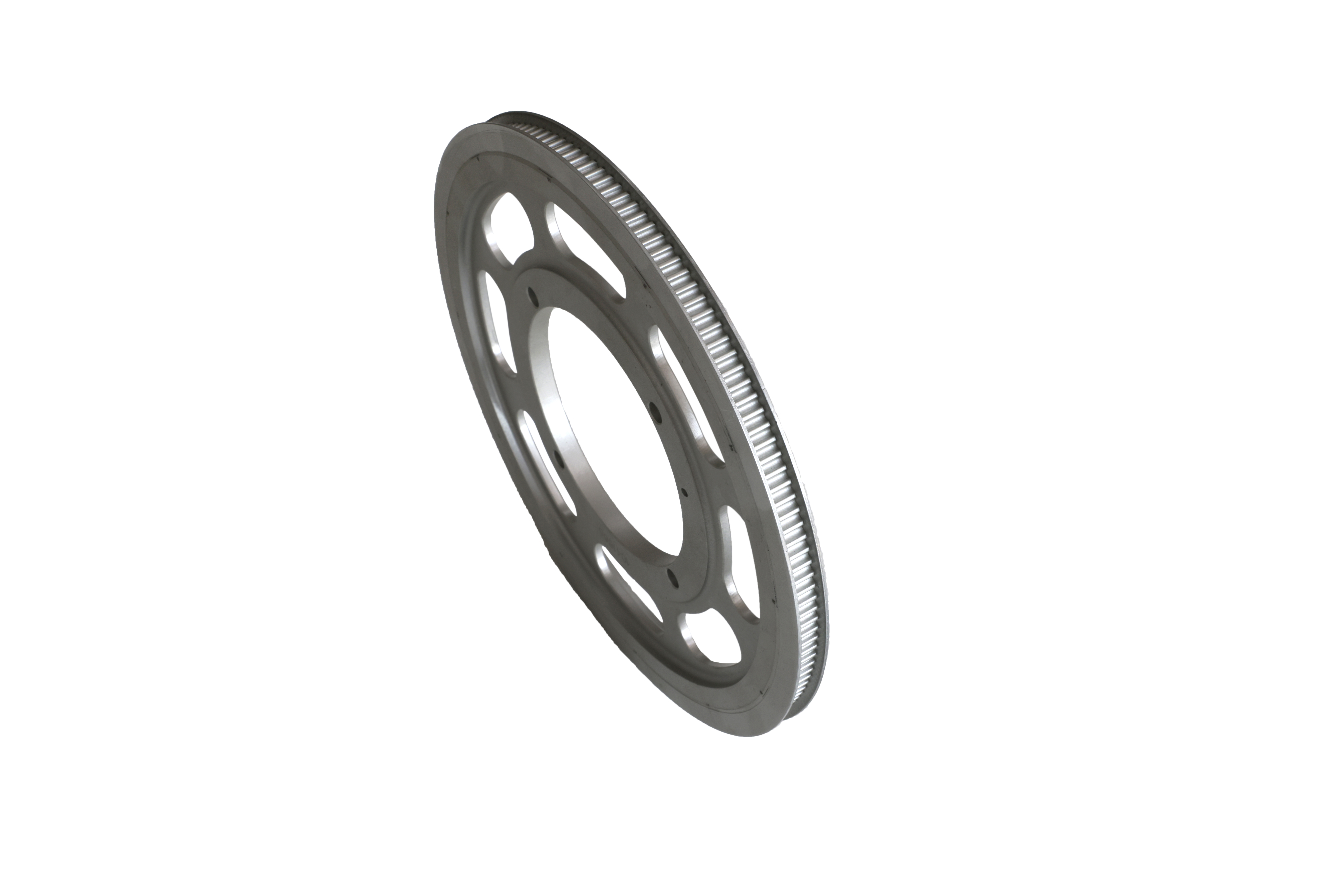
The agile process for developing custom synchronous belt pulleys involves a structured yet flexible approach. It moves through distinct phases: discovery, iterative design, rapid prototyping, continuous feedback, and meticulous manufacturing. This systematic workflow ensures precision, efficiency, and adaptability from concept to final product.
Discovery and Requirements Definition
The agile process begins with a thorough discovery phase. Engineers collaborate closely with clients to understand their specific needs and application requirements. This involves detailed discussions about load capacities, operating environments, speed requirements, and material preferences. They define critical performance parameters and identify any unique constraints. This initial step establishes a clear foundation for the entire development project. It ensures all stakeholders share a common understanding of the project goals.
Iterative Design and Simulation
Following requirements definition, the team moves into iterative design and simulation. Designers create initial pulley models using advanced CAD software. They then subject these designs to rigorous virtual testing through finite element analysis (FEA) and other simulation tools. These simulations predict performance under various conditions, identifying potential stress points or inefficiencies. Based on simulation results, engineers refine the designs in short, focused cycles. This iterative approach allows for continuous optimization before any physical material is used.
Rapid Prototyping and Testing
Once initial designs show promise in simulations, the process moves to rapid prototyping. Manufacturers create physical prototypes using advanced techniques like 3D printing or CNC machining. These prototypes allow for tangible evaluation of fit, form, and basic function. Engineers conduct a series of physical tests on these prototypes. They assess dimensions, material integrity, and initial performance characteristics. This hands-on testing provides crucial data that virtual simulations alone cannot fully capture.
Feedback Loops and Refinement
A core element of agile development is the continuous feedback loop. After each prototyping and testing phase, the development team gathers feedback from clients and internal experts. This input is critical for identifying areas for improvement or necessary adjustments. The team then incorporates this feedback into the next design iteration. This cyclical process of design, prototype, test, and refine ensures the custom synchronous belt pulleys evolve to meet exact specifications. It minimizes the risk of late-stage design changes.
Manufacturing and Quality Assurance
The final stage involves full-scale manufacturing and stringent quality assurance. Production utilizes advanced machinery and digital management systems. This intelligent manufacturing approach ensures consistency and precision across all units. The entire process adheres to ISO9001 standards, incorporating full-process quality traceability. This commitment to quality is evident through several rigorous protocols:
- Raw Material Incoming Inspection: Teams meticulously check all materials upon arrival to ensure they meet specified standards.
- Production Process Testing: Technicians conduct ongoing tests throughout various manufacturing stages to monitor quality.
- Finished Product Outgoing Inspection: Before shipment, every finished product undergoes a comprehensive inspection.
- International Certification: The manufacturing facility complies with the ISO 9001 quality management system, demonstrating a commitment to global quality benchmarks.
Additionally, products undergo rigorous testing, including wear and fatigue testing. This ensures exceptional durability and performance in real-world applications.
Real-World Impact: Agile Custom Pulley Applications
Agile custom pulley development significantly transforms various industries. It drives innovation, enhances performance, and boosts efficiency across critical sectors. This approach delivers tangible benefits in automotive, industrial machinery, and robotics.
Automotive Industry Innovations
Agile custom pulley development brings significant advancements to the automotive industry. Manufacturers achieve greater efficiency and reliability in vehicle systems. Custom synchronous belt pulleys, for example, reduce downtime in automotive assembly by 30%. This directly links custom pulleys to enhanced performance in automated settings. Furthermore, agile development benefits specific components:
- Multi-Ribbed Belts: These are used in automotive systems such as serpentine drives and alternators. They see improved performance from custom pulley development.
- Synchronous belt pulleys: Custom versions of these pulleys reduce downtime in automotive assembly.
Industrial Machinery Enhancements
Agile custom pulley solutions greatly improve industrial machinery. They ensure optimal operation and extended lifespan for heavy-duty equipment. Manufacturers can tailor pulleys for specific load requirements and environmental conditions. This customization leads to more robust and efficient machines. It minimizes wear and tear, reducing maintenance needs and operational costs.
Robotics and Automation Precision
Agile custom pulleys are crucial for achieving high precision in robotics and automation. They enable complex movements and reliable power transmission in advanced systems. LP Double-Sided Belts, with glass fiber cores and dual nylon 66 teeth, enable space-saving bidirectional drives. They increase load capacity by 50% and minimize backlash for robotics, medical, and automation equipment. These belts are customizable and offer fast delivery. Agile development supports various applications:
- Robotic arm joint transmission
- CNC machine tool spindle drive
- 3C electronic production line
- Battery assembly line precision transmission
- Industrial robots
This precision is vital for tasks requiring exact positioning and synchronized movements.
Choosing an Agile Custom Pulley Development Partner
Selecting the right partner is crucial for successful agile custom pulley development. Manufacturers need a partner who combines technical prowess with a strong commitment to agile principles.
Expertise in Materials and Manufacturing
A strong development partner possesses deep knowledge of various materials. They understand the properties of different metals, plastics, and composites. This expertise ensures the selection of the best material for specific applications. The partner also demonstrates proficiency in diverse manufacturing techniques. These include CNC machining, casting, and additive manufacturing. This broad capability guarantees optimal production methods for custom synchronous belt pulleys.
Advanced Design and Simulation Tools
Leading development partners utilize state-of-the-art design and simulation tools. They employ advanced CAD software for precise modeling. FEA (Finite Element Analysis) tools predict performance under stress. These simulations identify potential issues early. This reduces the need for multiple physical prototypes. Such tools ensure design accuracy and efficiency.
Commitment to Agile Methodologies
A true agile partner fully embraces iterative development and continuous feedback. They prioritize collaboration and transparency throughout the project. This commitment means they adapt quickly to evolving requirements. They deliver functional prototypes in short cycles. This approach ensures alignment with client needs and project goals.
Proven Track Record and Certifications
Evaluate a potential partner's history of successful projects. A strong portfolio demonstrates their capability and reliability. Look for industry certifications, such as ISO 9001. These certifications validate their commitment to quality management systems. A proven track record provides confidence in their ability to deliver high-quality solutions.
Agile custom pulley development is essential for modern manufacturers seeking efficiency. This dynamic approach consistently delivers superior product performance and provides a significant competitive edge. It fundamentally transforms the entire design-to-drive journey, making the process faster, more efficient, and ultimately more successful for businesses.
FAQ
This section addresses common inquiries about agile custom pulley development. It highlights key aspects of this innovative approach.
What distinguishes agile custom pulley development?
Agile development employs iterative cycles and continuous feedback. This allows rapid adaptation and refinement. Traditional methods follow a rigid, sequential process.
How does agile development contribute to cost efficiency?
Agile identifies design flaws early through continuous testing. This prevents expensive rework. It optimizes material use and manufacturing processes.
Does agile custom pulley development support complex design changes?
Yes, agile's flexible framework embraces evolving requirements. Teams quickly integrate new features or modifications. This ensures the final product remains relevant.
Media Contact
Company Name: Nantong Lanpeng Intelligent Machinery Co., Ltd.
Email:Send Email
Country: China
Website: https://www.lpbelt.com/

