
At HL Cryogenics, we’ve got one goal: to raise the bar for fluid transfer in extreme temperature environments. Our thing? Advanced vacuum insulation tech. We’re all about the tough engineering it takes to move liquefied gases—liquid nitrogen, oxygen, argon, LNG—without losing their chill. And we don’t just talk about quality. You’ll see it in everything we build, starting with our core products: the Vacuum Insulated Pipe and the Vacuum Insulated Flexible Hose.
These aren’t just pipes and hoses; they’re engineered thermal systems that keep cryogenic liquids stable over long distances. That matters a lot in places like semiconductor factories, bio-banks, and LNG terminals. When we design our pipe systems, we use a double-walled build. The inner pipe carries the cryogen, and a high-vacuum space separates it from the outer pipe. In that gap, we pack in layers of insulation that bounce radiant heat away, cutting thermal loss way down compared to old-school foam pipes. So, when you use our Vacuum Insulated Pipe, you get better thermal efficiency, less boil-off gas, and more reliability—key for labs and medical setups where precision isn’t negotiable.
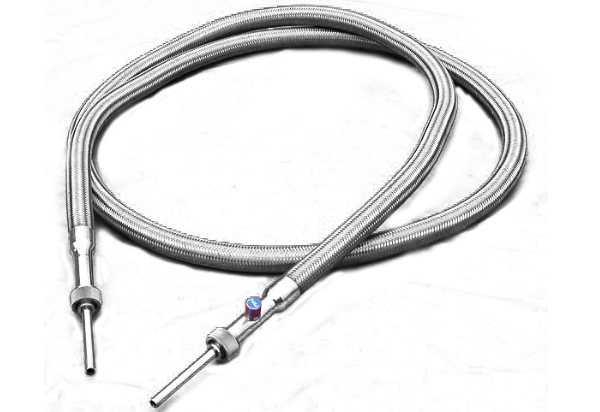
But not every facility can run on rigid pipes alone. That’s where our Vacuum Insulated Flexible Hose comes in. Some layouts are tricky; maybe you need to hook up portable dewars in a hospital, or deal with equipment that moves around in a chip factory. Rigid pipes just can’t flex like that. Our cryogenic hose fills the gap, giving you the flexibility you need without sacrificing insulation. We build every hose to the same vacuum standards as our rigid pipe, so you still get a frost-free, safe surface and steady flow. The combo of our pipes and hoses means you have a complete cryogenic transfer network that won’t ice up or create safety problems for your team.
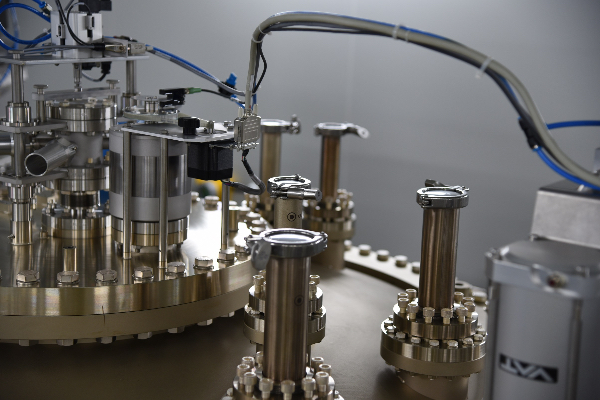
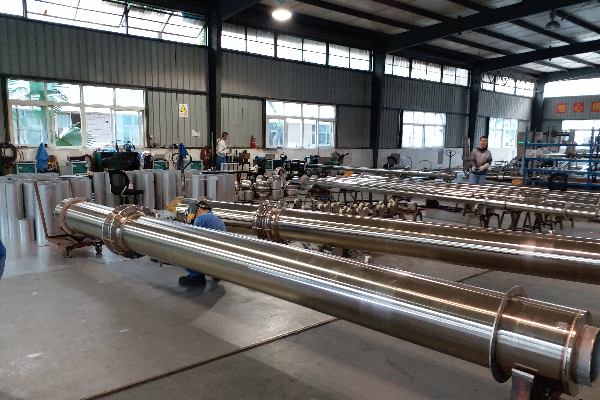
Longevity and reliability matter, especially in big operations. That’s why we developed the Dynamic Vacuum Pump System. Unlike static vacuums that lose their seal over time, our system keeps an eye on the vacuum level and actively maintains it. This is huge for places like LNG terminals or busy bio-banks, where you just can’t afford downtime. By constantly evacuating the insulation space, the Dynamic Vacuum Pump keeps the thermal barrier strong for years, giving facility managers real peace of mind.
We don’t stop at pipes and hoses. Our Vacuum Insulated Valve technology handles flow control and isolation with the same attention to detail. Standard valves tend to act like heat magnets, causing ice and leaks. Ours are wrapped in a vacuum jacket that fits right into our pipe and hose lines, minimizing heat transfer. That way, you keep your cryogen in liquid form and regulate flow with the precision labs and research teams expect.
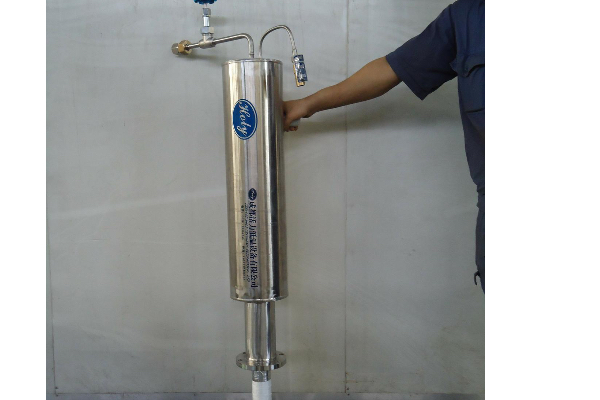
Keeping the liquid pure matters too. Even the best insulation lets in a little heat, which boils off some of the liquid into gas. If that gas ends up in sensitive equipment, you could get cavitation or instability. Our Vacuum Insulated Phase Separator takes care of that. It pulls unwanted vapor out of the liquid nitrogen or oxygen stream and vents it safely, so only pure liquid gets downstream. This is vital for high-stability processes—think molecular beam epitaxy in chip making or fast freezing in food processing.
And for smaller jobs or when you need local storage, we’ve got the Mini Tank. It uses the same high-efficiency vacuum insulation as our big systems, just scaled down for more flexible, local use.
Media Contact
Company Name: Chengdu Holy Cryogenic Equipment Co., Ltd.
Email:Send Email
Phone: +86 28-85370666
Country: China
Website: https://www.hlcryo.com/

