Monday, February 2, 2026

Threaded vs. Butt Weld Elbow Fittings: Pros and Cons

Threaded vs. Butt Weld Elbow Fittings: Pros and Cons

Selecting the correct Elbow Fittings is a critical decision for any industrial or commercial project. This choice relies heavily on the specific demands for pressure, temperature, and overall ease of installation. Engineers must carefully evaluate these essential factors. Proper selection directly impacts system integrity and ensures optimal operational performance.

Key Takeaways

  • Threaded elbow fittings are easy to install and take apart, good for low-pressure jobs, and cost less at first.
  • Butt weld elbow fittings are very strong and do not leak, good for high-pressure jobs, but cost more to install.
  • Choose threaded fittings for simple jobs and butt weld fittings for important jobs that need to be very strong and safe.

When to Choose Threaded vs. Butt Weld Elbow Fittings

Engineers often face a critical decision when selecting the appropriate elbow fittings for a piping system. This choice significantly impacts the system’s performance, longevity, and overall cost. Understanding the optimal scenarios for each type ensures a robust and efficient design.

Optimal Scenarios for Threaded Elbow Fittings

Threaded elbow fittings offer distinct advantages in specific applications, primarily due to their ease of installation and disassembly. These fittings are particularly suitable for systems that may require frequent maintenance, modifications, or temporary setups. Installers can quickly connect and disconnect threaded components using standard tools, which reduces labor time and costs.

Note: Threaded fittings are generally preferred for lower pressure and temperature applications. For instance, a common guideline suggests 3000 psi (approximately 248 bar) for 3000 series fittings and 6000 psi (around 414 bar) for 6000 series fittings. The actual pressure capacity varies based on factors such as temperature, material composition, the specific fitting series, pipe schedule (SCH), and the type of connection (e.g., NPT, BSP, or SW). For example, a Galvanized 90º Female Elbow typically handles PN-16 / PN-25 (300 lbs) pressure within a temperature range of -20 to +300ºC.

Industries often utilize threaded fittings in utility lines, instrumentation lines, and non-critical process lines where minor leakage poses minimal risk. They are also common in residential and commercial plumbing systems. Certain industry standards and regulations govern the use of threaded elbow fittings, especially in critical applications. These include Directive 200//95/EC RoHS, Regulation 1907/2006, and other European regulations, which ensure compliance and safety.

Ideal Applications for Butt Weld Elbow Fittings

Butt weld elbow fittings are the preferred choice for high-integrity, permanent piping systems. Their design creates a seamless, leak-proof connection, making them indispensable in critical applications. These fittings excel in environments demanding extreme pressure, high temperatures, or corrosive media.

Tip: Butt weld fittings are typically recommended for use at pressure-temperature ratings specified by standards such as those listed in Table 126.1 and Table 326.1, as per ASME B31.1 (102.4.5) and ASME B31.3 (304.2.1) respectively. These standards dictate the suitable pressure and temperature limits for elbows manufactured in accordance with them. For elbows not conforming to these standards or lacking design formulas within the code, their ratings must be based on calculations consistent with the code’s design criteria, substantiated by specific means outlined in the respective codes.

Industries such as oil and gas, power generation, chemical processing, and nuclear facilities extensively use butt weld fittings. These sectors require piping systems that withstand severe operational conditions without compromise. The robust nature of a welded joint minimizes the risk of catastrophic failure, ensuring operational safety and environmental protection. While installation requires specialized welding skills and equipment, the long-term reliability and structural integrity of butt weld connections justify the initial complexity.

Understanding Threaded Elbow Fittings
Understanding Threaded Elbow Fittings

What Are Threaded Elbow Fittings

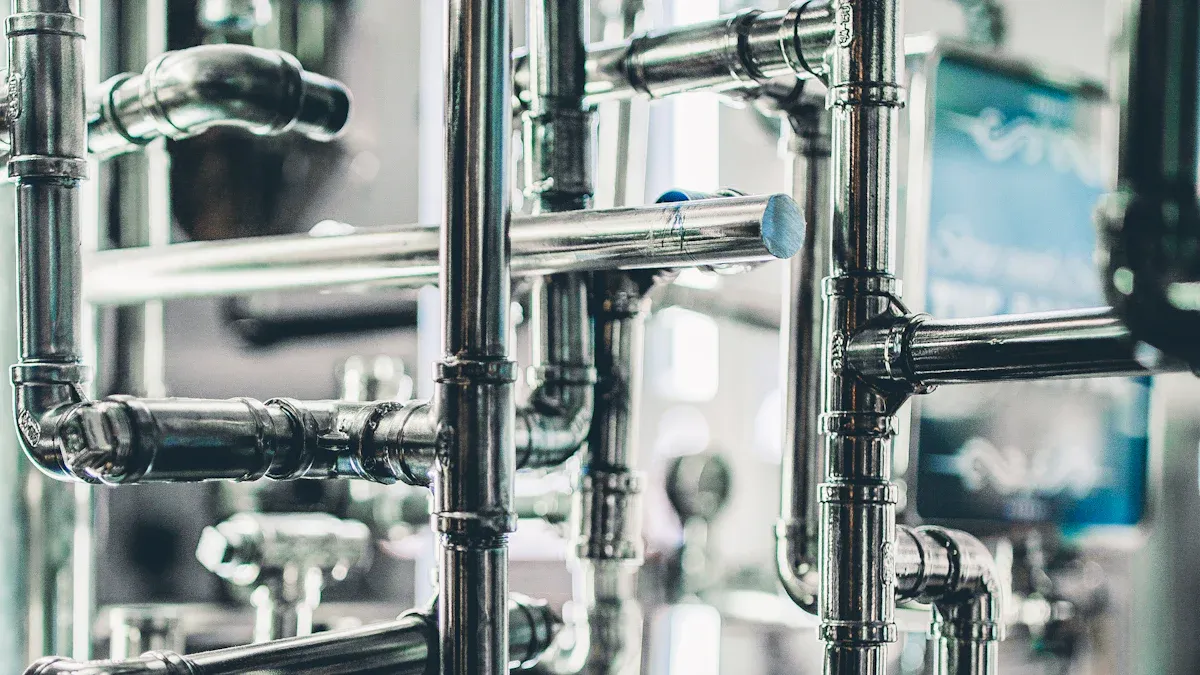
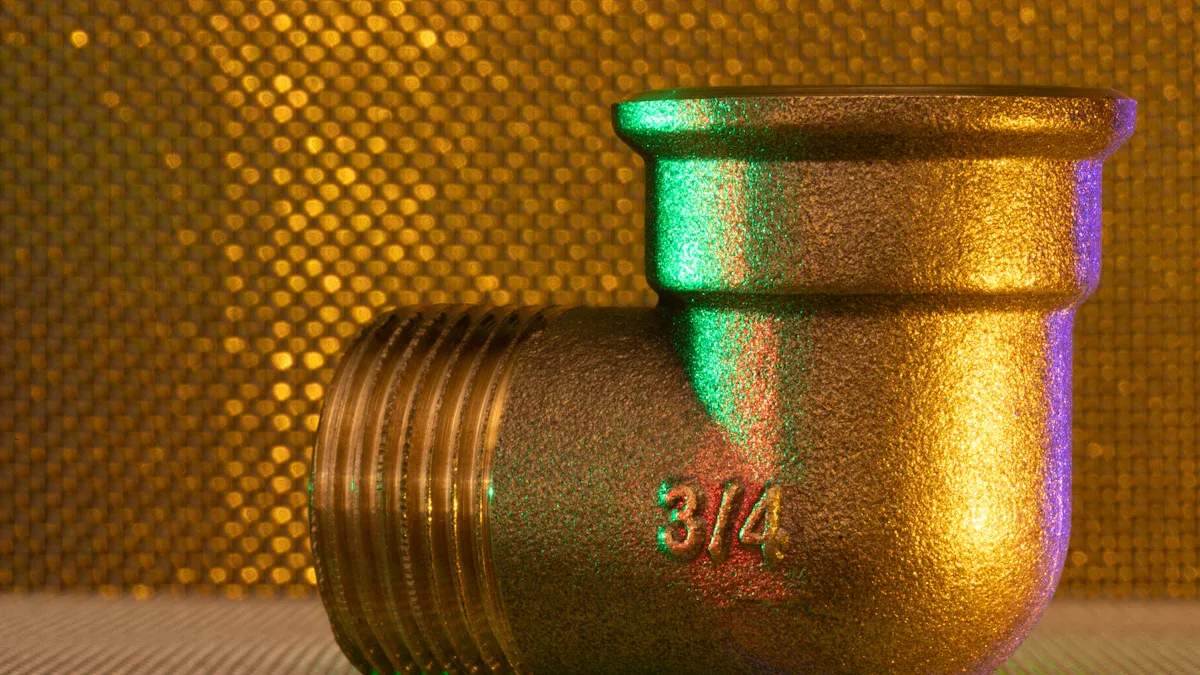
Threaded Elbow Fittings are components that change the direction of a pipe run. They feature internal or external threads, allowing them to screw onto pipes with corresponding threads. This design creates a mechanical connection without welding. Manufacturers produce these fittings from various materials to suit different applications.

Common materials for threaded Elbow Fittings include:

  • Carbon steel
  • Stainless steel: 316 / 316L, 304/304L, 304H, 310, 316H, 316Ti, 317L, 347/347H, 321/321H, F20, F44, F904L
  • Brass (Brass)
  • Duplex: F51 / F60
  • Superduplex: F53/F55
  • Hastelloy: B2 – B3 – C22 – C276 – C2000
  • Monel: 200/201, 400, K500
  • Low Alloy: A182: F5, F9, F11, F22, F91
  • Nickel Alloys: Inconel (600, 625, 718), Incolloy (800, 800H, 800HT, 825)
  • Carpenter 20CB3 – Alloy 20 – UNS N08020
  • Titanium: T40 Gr 2 – UNS R50400
  • Cu-Ni 90/10, 70/30 / Cupronickel
  • Bronze
  • Specific grades: A105.N – A106.B (Hot Dip Galvanised, Electroplating), A350 (LF2, LF3, LF6), A694 (F42, F52, F60, F65, F70), P280GH and P245GH (according to EN10222-2)

Threaded elbow fittings, such as the Fig. 90, Fig. 92, and Fig. 120 NPT female elbows, often use 316 stainless steel. This material offers high quality and excellent corrosion resistance. NPT stainless steel threaded fittings also frequently consist of austenitic stainless steel A-316 DIN 1.4408. Additionally, elbow female thread pipe nut and bicone fittings are made of nickel-plated brass UNI-EN 12164CWG14N. Brass threaded fittings are manufactured using specific brass grades: CW617N UNE-EN 12165 for hot forgings, UNE-EN 1982 CB753S for gravity die cast metal, and CW614N UNE-EN 12164 for parts machined from bar.

Common Uses for Threaded Elbow Fittings

Threaded elbow fittings find widespread use in applications where ease of assembly and disassembly is important. Plumbers often use them in residential and commercial plumbing systems for water and drainage lines. Industries also employ these fittings in utility lines, instrumentation, and non-critical process lines. Their ability to be installed quickly with basic tools makes them ideal for systems requiring frequent maintenance or modifications. They are generally suitable for lower pressure and temperature environments.

Understanding Butt Weld Elbow FittingsWhat Are Butt Weld Elbow Fittings

Butt weld elbow fittings are crucial components in piping systems. They facilitate changes in direction and create a permanent, leak-proof connection through welding. Manufacturers produce these fittings from materials designed for high-pressure and high-temperature environments. Common materials include carbon steel (ASTM A105), low-alloy steel (ASTM A182 F11 or F91), and stainless steel (ASTM A182 316 or 304). Other carbon and alloy steels like A105.N and A350 (LF2, LF3) also see use. For demanding applications, austenitic stainless steels such as A182 F (304/304L, 316/316L, 317L) provide excellent corrosion resistance. Specialized materials like Duplex, Superduplex, Incoloy, Hastelloy, Inconel, and Monel are available for unique project requirements.

Common Uses for Butt Weld Elbow Fittings

Butt weld elbow fittings are indispensable in industries requiring robust and reliable piping infrastructure. These fittings form integral parts of systems in oil and petrochemical industries, particularly within furnaces and reactors. Chemical plants and refineries extensively utilize them due to the harsh conditions present. Power generation facilities also rely on butt weld connections for their critical steam and water lines. Manufacturers incorporate these fittings into various equipment, including heat exchangers, where system integrity is paramount. Their ability to withstand extreme operational parameters makes them the preferred choice for permanent, high-stress applications.

Installation Differences in Elbow Fittings
Installation Differences in Elbow Fittings

Ease of Threaded Elbow Fittings Installation

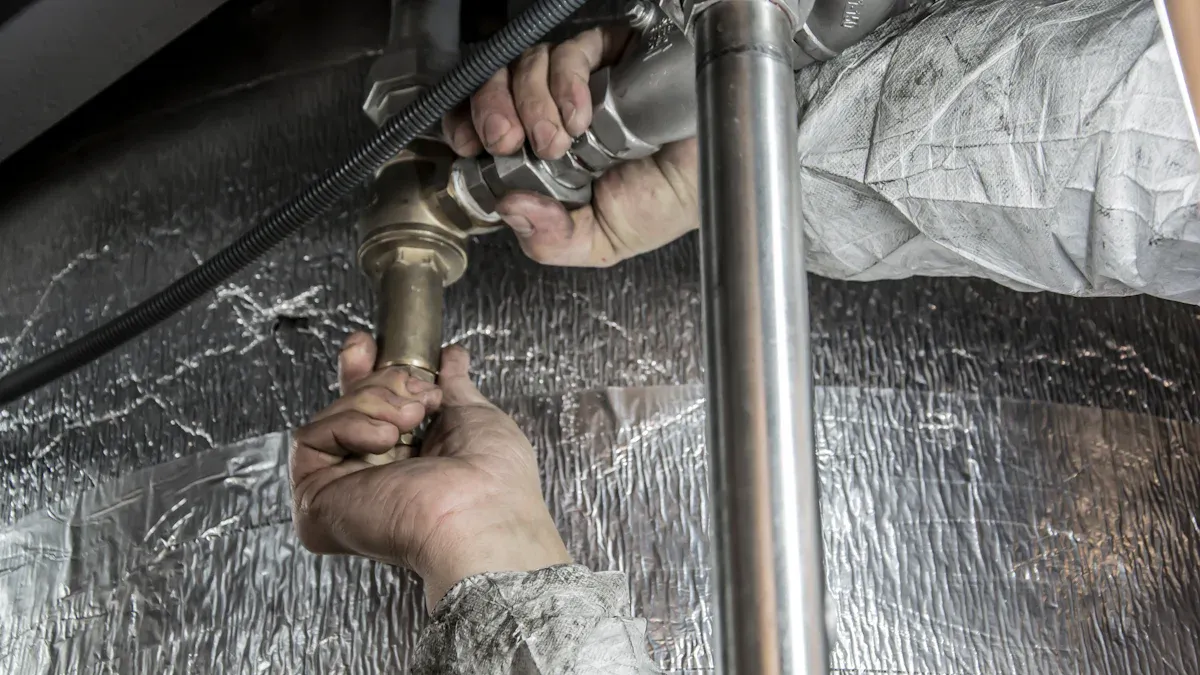
Installing threaded Elbow Fittings offers significant advantages in terms of simplicity and speed. Workers can quickly assemble these fittings using basic hand tools. This method eliminates the need for specialized welding equipment or highly skilled welders. For instance, a 3/4″ male-threaded elbow hose connector, designed for drip irrigation systems, requires no additional tools for adaptation to hoses or irrigation pipes. Its design facilitates easy assembly and creates a strong, fixed thread without extra equipment. This ease of installation reduces labor costs and project timelines, making threaded fittings ideal for applications where rapid deployment or frequent modifications are necessary. Technicians can also easily disassemble and reassemble threaded systems for maintenance or relocation.

Complexity of Butt Weld Elbow Fittings Installation

Butt weld elbow fittings demand a more intricate and time-consuming installation process. This method requires specialized welding equipment and certified welders. The welding process involves precise alignment of the fitting and pipe, followed by multiple passes to create a strong, full-penetration weld. Welders must adhere to strict procedures and quality control measures to ensure the integrity of the joint. This includes pre-heating, post-weld heat treatment, and non-destructive testing, such as X-ray inspection. These steps add to the overall installation cost and duration. However, the resulting permanent, leak-proof connection justifies this complexity for critical applications requiring maximum structural integrity and reliability.

Strength and Durability of Elbow FittingsMechanical Strength of Threaded Elbow Fittings

Threaded connections inherently introduce points of weakness into a piping system. The threading process removes material, which creates stress concentrations. These areas become critical for potential failure, especially under cyclic loading. The curvature of the elbow itself also contributes to stress concentrations. Furthermore, material defects within the fitting can act as initiation sites for cracks. Engineers often use Finite Element Analysis (FEA) to predict stress distribution. This method helps identify high-stress regions in complex geometries like threaded Elbow Fittings under various loading conditions. Fatigue life prediction simulations can estimate the number of cycles to failure. This helps identify critical areas prone to fatigue crack initiation and propagation. These fittings are generally suitable for less demanding applications where high mechanical strength is not the primary concern.

Structural Integrity of Butt Weld Elbow Fittings

Butt weld connections offer superior structural integrity and durability. They create a seamless, homogeneous joint between components. This design eliminates the stress concentration points inherent in threaded connections. Butt welded piping systems are the most practical method for achieving strong, leak-proof joints. This is particularly true for larger piping applications. Butt welds offer superior fatigue life compared to threaded connections. This makes them ideal for high-pressure, high-temperature, and critical service applications. The robust nature of a welded joint ensures long-term reliability and resistance to operational stresses. This method provides a continuous material path, which distributes stress more evenly across the joint. This significantly enhances the system’s overall resilience against fatigue and external forces.

Leak Resistance in Elbow FittingsSealing Challenges with Threaded Elbow Fittings

Threaded connections inherently present challenges in achieving a completely leak-proof seal. The helical design of the threads creates a potential pathway for fluid or gas to escape. Installers typically rely on sealants, such as PTFE tape or pipe dope, to fill these microscopic gaps. However, these sealants can degrade over time due to chemical exposure, temperature fluctuations, or mechanical wear. Improper application during installation also frequently leads to compromised seals, even with careful workmanship. Mechanical stresses, such as vibration or thermal cycling, can further loosen connections and create new leak paths. This makes threaded Elbow Fittings less suitable for systems where even minor leakage poses significant risks, environmental concerns, or operational inefficiencies. Regular maintenance and re-tightening often become necessary to prevent leaks in these systems, adding to long-term operational costs.

Superior Leak Prevention with Butt Weld Elbow Fittings

Butt weld connections provide superior leak prevention capabilities, making them highly reliable. Welders fuse the pipe and fitting materials together, forming a continuous, homogeneous joint. This process effectively eliminates any potential leak paths that mechanical connections inherently present. The seamless nature of a butt weld ensures maximum integrity throughout the entire piping system. This makes them the preferred choice for critical applications involving high pressures, extreme temperatures, or hazardous fluids where absolute containment is paramount. Once properly welded, these joints offer a permanent, robust seal. They consistently resist operational stresses, fatigue, and harsh environmental factors without compromise. Their exceptional leak resistance significantly enhances system safety, operational efficiency, and environmental protection, minimizing the need for frequent inspections or repairs related to leaks.

Cost Implications for Elbow FittingsInitial Costs of Threaded Elbow Fittings

Threaded Elbow Fittings generally present lower upfront expenses. Manufacturers produce these fittings with less complex processes compared to their welded counterparts. This often translates to a lower unit price for the fittings themselves. Installation also contributes to cost savings. Workers do not require specialized welding equipment or certifications. Standard tools suffice for assembly. This reduces labor costs significantly. However, installers must use sealants like PTFE tape or pipe dope. These materials add a small, additional cost to each connection. Overall, projects with threaded fittings benefit from quicker setup times and reduced initial investment in tools and labor.

Overall Project Costs for Butt Weld Elbow Fittings

Butt weld elbow fittings involve higher overall project costs. The fittings themselves often have a higher material cost due to their design and manufacturing requirements. Installation demands specialized skills. Certified welders must perform the work. This increases labor expenses. Projects also require significant investment in welding equipment, consumables, and non-destructive testing. These additional steps ensure the integrity of each weld. While initial costs are higher, butt weld systems offer long-term savings. Their superior durability and leak resistance reduce maintenance needs and potential downtime. This can lead to a lower total cost of ownership over the system’s lifespan, especially in critical applications.

Pros and Cons of Threaded Elbow FittingsAdvantages of Threaded Elbow Fittings

Threaded Elbow Fittings offer several benefits for specific applications. Installers can quickly and easily assemble these fittings. They do not require specialized welding equipment or highly skilled welders. This reduces labor costs and speeds up project timelines. The initial cost of threaded fittings is often lower than welded alternatives. Workers can also easily disassemble and reassemble threaded systems. This makes them ideal for temporary setups or systems requiring frequent maintenance and modifications. Threaded connections are a practical choice for non-critical applications where minor leaks pose minimal risk.

Disadvantages of Threaded Elbow Fittings

Despite their advantages, threaded Elbow Fittings have notable drawbacks. They are inherently prone to leaks. The helical design of the threads creates potential pathways for fluid or gas to escape. Sealants like PTFE tape or pipe dope are necessary, but they can degrade over time. The threading process removes material from the pipe and fitting, which reduces mechanical strength. This makes them less suitable for high-pressure, high-temperature, or high-vibration environments. Threaded connections are not ideal for critical applications where a leak-proof and robust joint is essential. They also require regular inspection and maintenance to prevent leaks.

Pros and Cons of Butt Weld Elbow FittingsAdvantages of Butt Weld Elbow Fittings

Butt weld Elbow Fittings offer significant benefits for demanding applications. They create a permanent, seamless connection. This eliminates potential leak paths, ensuring superior leak prevention. Their robust design provides exceptional mechanical strength. This allows them to withstand high pressures, extreme temperatures, and severe operational stresses. Industries use them extensively in critical systems where reliability is paramount. The continuous material path in a butt weld distributes stress evenly. This enhances the system’s overall structural integrity and fatigue resistance. Once installed, butt weld systems require minimal maintenance. This reduces long-term operational costs and downtime.

Disadvantages of Butt Weld Elbow Fittings

Despite their advantages, butt weld fittings present several drawbacks. Their installation process is complex. It requires specialized welding equipment and highly skilled, certified welders. This increases labor costs and extends project timelines. The initial material cost for butt weld fittings is often higher than threaded alternatives. The welding process also necessitates strict quality control measures. This includes non-destructive testing, which adds further expense. Once welded, these connections are permanent. This makes modifications or repairs difficult and time-consuming. Disassembly requires cutting the pipe, which adds to the complexity and cost of maintenance.

Maintenance and Repair of Elbow FittingsServicing Threaded Elbow Fittings Systems

Servicing threaded systems offers relative ease. Workers perform maintenance using standard hand tools. They can quickly disassemble connections. This allows for easy inspection or replacement of components. Replacing worn-out seals, such as PTFE tape or pipe dope, is a simple task. This helps prevent leaks. The ability to take apart and reassemble these systems makes them convenient for routine checks. It also simplifies modifications. This reduces downtime and labor costs for maintenance activities.

Repairing Butt Weld Elbow Fittings Systems

Repairing butt weld systems presents greater challenges. Technicians must cut out damaged sections of the pipe and Elbow Fittings. They then prepare the new components for welding. This process requires specialized welding equipment. Certified welders must perform the repair. They ensure the new weld meets stringent quality standards. This often involves non-destructive testing. Repairs are time-consuming and costly. The permanent nature of butt weld connections means modifications or repairs are not simple. They require significant planning and execution.

Selecting the appropriate Elbow Fittings is crucial for system integrity and longevity. Engineers must carefully consider application requirements, project budget, and long-term performance. This thorough evaluation ensures a robust and efficient piping system. It also guarantees optimal operational success and minimizes future complications.

FAQWhat is the primary factor for choosing between threaded and butt weld elbow fittings?

The primary factor is the application’s pressure and temperature requirements. Threaded fittings suit lower demands, while butt weld fittings excel in high-pressure, high-temperature environments.

Which type of elbow fitting provides superior leak resistance?

Butt weld elbow fittings offer superior leak resistance. They form a continuous, homogeneous joint, effectively eliminating potential leak paths inherent in mechanical connections.

Can threaded elbow fittings be used in critical applications?

Threaded elbow fittings are generally not recommended for critical applications. Their design creates stress points and potential leak paths, making them less reliable for high-stakes systems.

Media Contact
Company Name: Ningbo Fenghua Metal Products Co., Ltd.
Email:Send Email
Phone: 0086-13968334411
Address:Huangtan Town, Ninghai County
City: Ningbo
State: Zhejiang
Country: China
Website: https://www.nbfh-metal.com/

Why More Solar Farms Are Switching to Double-Insulated DC Cables

Why More Solar Farms Are Switching to Double-Insulated DC Cables

Solar farms increasingly choose double-insulated DC cables. This trend stems from your need for better safety and efficiency. These cables offer strong protection against electrical hazards and environmental factors. You can trust that they enhance the overall performance of solar energy systems.

Key Takeaways

  • Double-insulated DC cables enhance safety by providing two layers of insulation, reducing the risk of electrical hazards.
  • These cables improve efficiency by minimizing energy loss during transmission, leading to higher energy production from solar panels.
  • Investing in double-insulated DC cables results in long-term cost savings due to decreased maintenance needs and extended lifespan.

Enhanced Safety of Double-Insulated DC Cables

b375920c707ceb0adc45fd131144fcdf_2Q==.jpg

Reduced Risk of Electrical Hazards

When you choose double-insulated DC cables, you significantly lower the risk of electrical hazards. These cables feature two layers of insulation, which provide an extra barrier against electrical shocks. This design helps protect both the equipment and the people working around it.

  • Increased Protection: The dual insulation ensures that even if one layer fails, the second layer remains intact. This redundancy is crucial in preventing accidents.
  • Compliance with Standards: Many safety regulations require enhanced insulation for electrical systems. By using double-insulated DC cables, you ensure compliance with these standards, which can help avoid legal issues.

Improved Protection Against Environmental Factors

Double-insulated DC cables also offer superior protection against environmental factors. Solar farms often face harsh conditions, including extreme temperatures, moisture, and UV exposure.

  • Weather Resistance: The materials used in double-insulated cables resist degradation from sunlight and moisture. This resistance helps maintain the integrity of the cables over time.
  • Temperature Tolerance: These cables perform well in high temperatures. They can handle the heat generated by solar energy systems without compromising safety or efficiency.

By investing in double-insulated DC cables, you enhance the safety of your solar farm. You protect your investment and ensure a safer working environment for everyone involved.

1.jpg231.jpg

Improved Efficiency with Double-Insulated DC Cables

Improved Efficiency with Double-Insulated DC Cables

Better Performance in High Temperatures

Double-insulated DC cables excel in high-temperature environments. Solar farms often operate under intense sunlight, which can raise temperatures significantly. You need cables that can withstand this heat without losing performance.

  • Heat Resistance: The materials used in double-insulated DC cables resist heat better than standard cables. This resistance helps maintain their integrity and functionality.
  • Consistent Output: When cables perform well in high temperatures, they ensure that your solar panels operate efficiently. This efficiency translates to more energy production and better overall performance.

Lower Energy Loss During Transmission

Energy loss during transmission can impact the overall efficiency of your solar farm. Double-insulated DC cables help minimize this loss.

  • Reduced Resistance: These cables have lower electrical resistance compared to traditional cables. Lower resistance means less energy is lost as heat during transmission.
  • Higher Efficiency: With less energy loss, you can maximize the output from your solar panels. This efficiency leads to increased savings and better returns on your investment.

By choosing double-insulated DC cables, you enhance the efficiency of your solar energy system. You ensure that your solar farm operates at its best, even in challenging conditions.

Long-Term Cost Savings from Double-Insulated DC CablesDecreased Maintenance Requirements

Using double-insulated DC cables can lead to lower maintenance needs. These cables are designed to withstand harsh conditions. You will find that they resist wear and tear better than standard cables. This durability means you spend less time and money on repairs.

  • Fewer Breakdowns: With enhanced insulation, these cables are less likely to fail. This reliability reduces the frequency of inspections and repairs.
  • Simplified Maintenance: You can focus on other important tasks instead of worrying about cable issues. This efficiency allows your team to work more effectively.

Extended Lifespan of Cables

Double-insulated DC cables also have a longer lifespan. Their robust construction helps them last longer than traditional cables. This longevity translates into significant savings over time.

  • Cost-Effective Investment: While the initial cost may be higher, the extended lifespan means you won’t need to replace cables as often. This factor leads to lower overall costs.
  • Sustainable Choice: Choosing cables that last longer is better for the environment. You reduce waste and contribute to a more sustainable energy future.

By opting for double-insulated DC cables, you invest in a solution that saves you money in the long run. You enhance the reliability of your solar farm while minimizing maintenance efforts.

The shift to double-insulated DC cables marks a major step forward in solar technology. You gain improved safety, efficiency, and cost savings with these cables. Investing in double-insulated DC cables ensures your solar farm operates effectively and sustainably. This choice supports a brighter future for solar energy.

FAQ

What are double-insulated DC cables?

Double-insulated DC cables have two layers of insulation, providing extra protection against electrical hazards and environmental factors.

Why should I choose double-insulated DC cables for my solar farm?

You should choose double-insulated DC cables for enhanced safety, improved efficiency, and long-term cost savings.

How do double-insulated DC cables reduce maintenance costs?

These cables resist wear and tear better than standard cables, leading to fewer repairs and lower maintenance needs.

Media Contact
Company Name: Zhejiang Pntech Technology Co., Ltd.
Email:Send Email
Phone: +86 574 27975188
Country: China
Website: https://www.pncables.com/

RUITE PUMP’s Slurry Pumps Paired with Cyclones Deliver Enhanced Efficiency for Industrial Separation

Shijiazhuang RUITE PUMP Co., Ltd., a leading high-tech manufacturer of slurry pumps, has achieved remarkable success with its integrated solution of self-produced slurry pumps paired with cyclones, bringing significant improvements to efficiency and cost-saving for clients in mining, metallurgy, and coal processing industries worldwide.

The core advantage of this integrated system lies in its optimized structural design. RUITE’s slurry pumps feature a direct sealed flange connection between the discharge port and the cyclone’s feed inlet, eliminating the need for long intermediate wear-resistant pipelines, elbows, and valves traditionally used in such setups

1. This innovative design not only reduces equipment manufacturing and maintenance costs but also shortens the pump head, lowering shaft power consumption and achieving obvious energy-saving effects.

RUITE’s slurry pumps, crafted with high-chromium wear-resistant alloys and advanced structural optimization, complement cyclones perfectly

2. The stable flow output from the pumps ensures uniform material entry into cyclones at a consistent speed, significantly improving separation accuracy and efficiency. In a recent gold mine application, the combined system reduced the proportion of coarse particles in the cyclone overflow and cut cycle load substantially, resolving long-standing issues of inefficient grading in traditional setups

With a complete production line and ISO 9001 certification, RUITE PUMP offers customized matching solutions for cyclones of various specifications, catering to diverse needs from 5m³/h to 30,000m³/h flow rates

3. The integrated system has been widely adopted in over 20 countries and regions, including Russia, South Africa, and Australia, earning acclaim for its compact structure, leak-proof performance, and long service life.

“Our slurry pump-cyclone integration redefines operational standards for industrial separation,” said a RUITE PUMP technical director. “We will continue to innovate to provide more efficient, reliable solutions that drive sustainability for global industrial clients.”

rita@ruitepump.com

whatsapp: +8619933139867

Media Contact
Company Name: Shijiazhuang Ruite Pump Co., Ltd
Email:Send Email
Country: China
Website: https://www.ruitepumps.com/

Analysis of the Dental Lab Outsourcing Business: Current Status and Future Outlook

1.Overview of the Global Dental Lab Outsourcing Market

With the rapid adoption of digital technologies in dentistry and the widening cost gap between regions, dental outsourcing services have become an increasingly important business model in the global dental industry. Dental outsourcing refers to dental clinics or laboratories choosing to outsource dental lab work by subcontracting part or all of their fabrication tasks to specialized dental manufacturing facilities, often located overseas.

  • At present, the global dental outsourcing market is experiencing steady growth, driven by several key factors:
  • The maturity of intraoral scanning (IOS) and CAD/CAM technologies, which support the development of the digital dental lab model and enable remote design and manufacturing;
  • The need for dental clinics and laboratories to reduce costs and improve operational efficiency by cooperating with affordable dental labs;
  • Continuously rising labor costs and capacity constraints in developed countries;
  • The emergence of high-capacity, technologically advanced dental manufacturing hubs, especially dental laboratories China is known for.

Dental Lab Outsourcing Business.jpg

Major Client Regions

The primary demand for dental lab outsourcing comes from:

North America (United States and Canada): the largest dental consumption market globally, with strong and stable demand for restorative products and competitive dental lab price list expectations;

Europe (Germany, France, the United Kingdom, and Nordic countries): characterized by strict quality standards and high digitalization requirements;

Japan and South Korea: although domestic lab capabilities are strong, price-sensitive orders are increasingly outsourced;

Australia and New Zealand: outsourcing is growing due to high local costs and limited processing capacity.

Main Customer Types

The key customer groups in the dental outsourcing market include:

Dental Clinics

Especially small and medium-sized clinics seeking reliable dental outsourcing services with predictable turnaround times.

Digital Dental Laboratories

Traditional or hybrid labs transitioning to digital workflows and collaborating with overseas dental lab milling center partners for CAD/CAM manufacturing.

Dental Chains and Large Healthcare Groups

These clients typically place long-term, stable orders with strict quality validation and supply chain reliability requirements.

Main Products Outsourced

  • The most commonly outsourced dental products include:
  • Porcelain-fused-to-metal (PFM) and all-ceramic crowns and bridges;
  • Titanium abutments and dental implant restorations;
  • Polymer-based dentures (PMMA / PEEK);
  • Metal alloy denture frameworks;
  • Surgical guides;
  • 3D-printed dental models and orthodontic models.

These products are highly standardized and well suited for digital workflows, making them ideal for remote manufacturing and outsourcing.

2.Major Countries Undertaking Dental Outsourcing and Their Advantages

Below is a summary of key dental outsourcing destinations and their characteristics:

Country / Region

Key Advantages

Characteristics

China

Cost efficiency & large-scale capacity

Mature manufacturing ecosystem, competitive pricing, fast turnaround, and strong capability for high-volume orders, especially from Shenzhen dental labs.

India

Extremely low labor costs

Significant cost advantage, though strict quality management is required for consistency.

Thailand / Vietnam

Balanced cost and regional advantages

Competitive pricing, suitable for Asia-Pacific markets, with growing digital capabilities.

Poland / Czech Republic

Proximity to Europe

Shorter delivery times to EU markets and alignment with European standards and culture.

Mexico

Close to North America

Logistics and delivery advantages for the U.S. and Canadian markets.

Comparative Characteristics

  • Domestic labs in developed countries offer high quality and fast communication but at significantly higher costs;
  • Dental laboratories China hosts continue to benefit from scale, rapid technology adoption, and strong process management;
  • Emerging outsourcing countries offer low costs but may face challenges in quality consistency and advanced technical capabilities.

3.How Clients Should Choose an Outsourcing Partner

Selecting the right outsourcing partner is critical to balancing quality, cost, and risk.

Match Capabilities to Order Types

For standardized products such as crowns, bridges, and surgical guides, cooperation with high-capacity dental lab milling center facilities is ideal;

For complex, high-end dental implant restorations, technical expertise and strict quality control should be prioritized.

Evaluate Quality Systems and Certifications

Manufacturers with international certifications such as ISO and CE provide greater assurance and reduced risk;

Sample validation and real customer references are important indicators of reliability.

Assess Digital Workflow Compatibility

As most outsourcing orders rely on digital data transfer (STL, PLY, 3Shape, etc.), working with a fully integrated digital dental lab ensures accuracy, efficiency, and scalability.

Dental Lab Outsourcing Business (2).jpg

  1. Why Choose Dental Manufacturing Facilities in China?

China has become one of the most competitive destinations for dental outsourcing due to several key advantages:

  • Scalable Production and High Efficiency

Chinese manufacturers operate large-scale facilities equipped with extensive CNC milling machines, enabling fast turnaround for high-volume orders and competitive dental lab price list offerings.

  • Strong Cost Advantage

At comparable quality levels, manufacturing costs in China are significantly lower than in Europe, the U.S., or Japan, making Chinese partners some of the most affordable dental labs globally.

  • Advanced Digital Manufacturing Capabilities

Many Chinese labs operate as advanced digital dental lab and dental lab milling center hubs, fully integrating CAD/CAM systems and high-speed milling technology.

  • International Communication and Service Experience

Export-oriented Chinese labs, including leading Shenzhen dental labs, provide multilingual support and professional project management.

  • Complete Supply Chain Infrastructure

China offers a comprehensive dental supply chain—from materials and equipment to logistics—supporting stable and long-term dental outsourcing services partnerships.

Overall, Chinese dental manufacturing facilities provide an optimal balance of cost efficiency, production capacity, digital expertise, and supply chain reliability, making them a preferred choice for global dental outsourcing.

Dental Lab Outsourcing Business (3).jpg

4.Future Outlook of the Dental Outsourcing Business

The dental outsourcing market shows strong long-term growth potential:

Accelerated Digital Transformation

The continued adoption of IOS, AI-driven design, and intelligent manufacturing will further strengthen the global digital dental lab ecosystem.

Clearer Global Division of Labor

Developed markets will increasingly focus on clinical services and R&D, while countries like China expand their role as global dental lab milling center hubs.

Rise of Regionalized Supply Chains

Post-pandemic supply chain adjustments are encouraging clients to adopt multi-region outsourcing strategies, combining local and overseas dental outsourcing services.

Growth in Personalized Dental Care

The increasing demand for customized solutions, especially in dental implant restorations, will push manufacturers to continuously upgrade their capabilities.

5.Conclusion

Dental lab outsourcing has become an integral part of the global dental industry. North America and Europe remain the primary demand markets, with crowns, bridges, dentures, surgical guides, and dental implant products as the main outsourced items. Key outsourcing destinations include China, India, Southeast Asia, and parts of Eastern Europe. Among them, dental laboratories China, particularly Shenzhen dental labs, stand out due to cost advantages, production scale, transparent dental lab price list structures, and advanced digital manufacturing capabilities. Looking ahead, continued digitalization and deeper global collaboration will drive sustained growth in the dental outsourcing business.

Media Contact
Company Name: Shenzhen Sunflower Dental Lab
Email:Send Email
Country: China
Website: https://www.sunflowerdentallab.com/

Jensen Capacitors: Premium Solutions for High-End Audio and Industrial Electronics

In professional electronics and high-end audio manufacturing, component quality directly impacts system performance, reliability, and brand reputation. Jensen Capacitors are widely recognized for their precision engineering, exceptional material selection, and long-term stability. For B2B customers such as audio equipment manufacturers, industrial system integrators, and OEM electronics suppliers, understanding the role and value of Jensen capacitors is essential for delivering consistent, high-performance products.

This article provides a comprehensive overview of Jensen capacitors, including their core characteristics, technical advantages, typical applications, and key considerations for professional use.

What Are Jensen Capacitors?

Jensen Capacitors are high-quality capacitors best known for their use in premium audio and demanding electronic applications. Originating from a long tradition of European engineering, Jensen capacitors are especially respected for their oil-impregnated paper and aluminum electrolytic designs, which are optimized for signal integrity, low distortion, and stable electrical behavior.

Unlike standard mass-produced capacitors, Jensen capacitors focus on performance consistency rather than cost minimization. This makes them a preferred choice in applications where audio fidelity, electrical stability, and long service life are critical.

Key design principles behind Jensen capacitors include:

● High-purity materials to ensure minimal signal loss

● Precision manufacturing to maintain tight tolerances

● Optimized dielectric structures for stable electrical behavior

Technical Features and Performance Advantages

Jensen capacitors offer several performance benefits that make them suitable for professional and industrial-grade systems.

Superior Signal Integrity

● Extremely low dielectric absorption, supporting clean signal transmission

● Reduced harmonic distortion, particularly in audio signal paths

● Stable capacitance across operating conditions

High Reliability and Longevity

● Robust construction designed for long-term operation

● Consistent electrical parameters over extended service life

● Suitable for systems requiring continuous operation

Optimized for High-End Audio

● Natural and transparent sound reproduction

● Improved dynamic response and tonal balance

● Widely used in premium amplifiers and signal processing equipment

Electrical Stability

● Reliable performance under varying voltage and temperature conditions

● Low leakage current, enhancing overall circuit efficiency

These characteristics make Jensen capacitors a strategic component choice for manufacturers focused on premium product positioning.

dd638e262385.jpg

Common B2B Applications of Jensen Capacitors

Due to their quality and stability, Jensen Capacitors are commonly integrated into a wide range of professional applications.

High-End Audio Equipment

● Tube amplifiers and solid-state amplifiers

● Audio preamplifiers and DACs

● Studio-grade recording and mastering equipment

Industrial and Professional Electronics

● Precision power supplies

● Signal conditioning Modules

● Measurement and testing equipment

OEM and Custom Electronics Manufacturing

● Customized audio systems for luxury consumer electronics

● Industrial control electronics requiring stable filtering

● Specialized electronics for broadcast and media production

In these environments, component failure or performance drift can be costly, making Jensen capacitors a reliable long-term investment.

Key Factors When Selecting Jensen Capacitors

For B2B buyers and engineers, selecting the correct Jensen capacitor requires careful evaluation of technical and operational requirements.

Capacitance and Voltage Rating

● Ensure compatibility with circuit design and operating voltage

● Allow sufficient voltage margin for long-term reliability

Capacitor Type and Construction

● Oil-impregnated paper capacitors for signal coupling

● Aluminum electrolytic capacitors for power filtering

Tolerance and Consistency

● Tight tolerances ensure uniform performance across production batches

● Important for multi-channel and high-precision systems

Environmental and Mechanical Considerations

● Evaluate temperature range and mounting conditions

● Ensure compatibility with vibration or mechanical stress requirements

Working with experienced suppliers helps ensure that Jensen capacitors meet both electrical specifications and compliance standards.

Installation and Handling Best Practices

To maximize performance and service life, proper installation of Jensen Capacitors is essential.

● Follow correct polarity guidelines for electrolytic models

● Avoid excessive heat exposure during soldering

●Ensure mechanical stability to reduce vibration stress

● Store components in controlled environments before installation

● Perform post-installation testing to verify capacitance and leakage

Adhering to these practices minimizes risk and preserves the intended electrical performance.

Strategic Value for B2B Customers

For professional manufacturers and system integrators, choosing Jensen Capacitors delivers measurable business and technical benefits.

● Enhanced product reliability and reduced failure rates

● Improved audio and signal performance, supporting premium positioning

● Lower maintenance and replacement costs over product lifecycle

● Stronger brand credibility in high-end and professional markets

In competitive B2B environments, component selection directly influences long-term customer satisfaction and system reputation.

Conclusion

Jensen Capacitors represent a high-quality solution for B2B customers seeking stable, reliable, and performance-oriented electronic components. With proven advantages in signal integrity, longevity, and precision manufacturing, they are widely used in high-end audio, industrial electronics, and professional-grade systems. For manufacturers focused on quality differentiation and long-term reliability, Jensen capacitors remain a trusted and strategic choice.

Frequently Asked Questions (FAQ)

Q1: What are Jensen capacitors best known for?

A: Jensen capacitors are best known for their premium construction, low distortion characteristics, and excellent performance in high-end audio and professional electronics.

Q2: Are Jensen capacitors suitable for industrial applications?

A: Yes. Their electrical stability and long service life make them suitable for precision power supplies, signal conditioning, and industrial electronics.

Q3: What types of Jensen capacitors are commonly used?

A: Common types include oil-impregnated paper capacitors for signal paths and aluminum electrolytic capacitors for power filtering.

Q4: Why do B2B manufacturers choose Jensen capacitors?

A: B2B manufacturers value Jensen capacitors for their reliability, consistent performance, and ability to enhance overall system quality and brand positioning.

Media Contact
Company Name: Hua Sheng Bo Ye (Shenzhen) Technology Co., Ltd.
Email:Send Email
Country: China
Website: https://www.hsbytechnology.com/

Start And Run Capacitors: Key Components for Efficient Motor Performance

In industrial and commercial applications, electric motors are the heart of numerous machines, from HVAC systems to manufacturing equipment. Ensuring optimal motor performance, efficiency, and longevity relies heavily on the proper selection of Capacitors.Start And Run Capacitors are essential components that support motor startup, maintain operational stability, and enhance overall system reliability.

For B2B customers such as OEM manufacturers, industrial system integrators, and equipment suppliers, understanding these capacitors is critical to improving motor efficiency and reducing operational costs.

This article provides a detailed LED overview of start and run capacitors, their core characteristics, technical advantages, typical applications, selection considerations, and maintenance best practices.

Understanding Start And Run Capacitors

Start and Run Capacitors are specialized components designed to optimize the performance of single-phase electric motors. They serve two primary functions:

● Start capacitors provide an initial boost of energy to help the motor overcome inertia during startup, ensuring smooth and reliable operation.

● Run capacitors maintain a continuous phase shift while the motor is running, improving efficiency, torque, and overall performance.

These capacitors are typically used in motors found in HVAC systems, pumps, compressors, and various industrial machinery. Proper integration of start and run capacitors is essential to prevent motor overheating, energy loss, and premature wear.

Key Features and Performance Benefits

Start and Run Capacitors are engineered to meet the demanding requirements of industrial applications. Their main advantages include:

Enhanced Motor Startup

● Provide high initial torque for quick and smooth motor startup

● Reduce inrush current to prevent electrical stress on motor windings

● Minimize the risk of motor stalling during power-up

Improved Motor Efficiency

● Maintain phase balance and continuous energy supply

● Reduce operational energy loss, leading to lower utility costs

● Enhance torque performance, enabling consistent operation under load

Long-Term Reliability

● High-quality dielectric materials and robust construction ensure extended lifespan

● Capable of withstanding frequent start-stop cycles without degradation

● Resist voltage surges, thermal stress, and environmental challenges

Versatility and Adaptability

● Available in various capacitance values and voltage ratings for different motor sizes and types

● Suitable for both air-conditioned systems and industrial machinery requiring continuous operation

These features make Start and Run Capacitors indispensable for B2B customers aiming to optimize motor performance and system reliability.

hef4053bt_thumbW360.jpg

Typical B2B Applications

Start and Run Capacitors are widely used across multiple industrial and commercial applications:

● HVAC Systems: Support compressors, fans, and pumps to ensure smooth operation and energy efficiency.

● Industrial Equipment: Maintain performance in conveyor belts, mixers, and packaging machines.

● Water Pumps and Compressors: Provide consistent torque and prevent motor strain during startup and continuous operation.

● Refrigeration Systems: Ensure compressor motors operate efficiently, maintaining optimal cooling performance.

These applications highlight the importance of Start and Run Capacitors in environments where motor performance, reliability, and energy efficiency are critical.

Key Considerations for Selection

Selecting the right Start and Run Capacitors is essential for achieving optimal motor performance:

● Capacitance Rating: Must match the motor’s required startup and running specifications to avoid underperformance or overheating.

● Voltage Rating: Capacitors should exceed the motor’s maximum operating voltage for safety and longevity.

● Capacitor Type: Start capacitors are usually electrolytic and designed for short-duration high-torque boost, while run capacitors are oil-filled or metallized film types for continuous operation.

● Environmental Resistance: Consider temperature, humidity, and vibration conditions in the motor’s operating environment.

● Supplier Reliability: Partner with reputable suppliers to ensure component quality, compliance with standards, and consistent supply.

Proper selection ensures energy efficiency, motor protection, and long-term operational stability.

Installation and Maintenance Best Practices

To maximize the lifespan and performance of Start and Run Capacitors, follow these best practices:

● Verify proper polarity and wiring connections for electrolytic capacitors

● Ensure mechanical stability and secure mounting to reduce vibration stress

● Inspect capacitors periodically for signs of swelling, leakage, or corrosion

● Conduct performance testing to confirm capacitance and operational integrity

● Replace capacitors nearing the end of their rated life to prevent system downtime

Adhering to these practices ensures reliable motor performance and protects connected equipment.

Strategic Value for B2B Customers

For B2B clients, investing in high-quality Start and Run Capacitors provides measurable benefits:

● Enhanced system reliability and reduced motor failure rates

● Improved energy efficiency and lower operational costs

● Reduced maintenance and replacement expenses

● Stronger customer satisfaction and equipment performance reputation

Integrating quality capacitors is a strategic decision that supports operational excellence and competitive advantage in industrial markets.

Conclusion

Start and Run Capacitors are vital components for single-phase electric motors in industrial and commercial applications. They facilitate smooth startup, optimize motor efficiency, and ensure long-term reliability. For B2B customers, selecting the right capacitors not only improves motor performance but also reduces energy consumption and maintenance costs. Proper integration of Start and Run Capacitors into motor systems is essential for delivering reliable, high-performing, and energy-efficient solutions across a wide range of industrial and commercial applications.

FAQ

Q1: What is the main difference between start and run capacitors?

A: Start capacitors provide a temporary boost to help motors start, while run capacitors maintain continuous operation efficiency and torque.

Q2: Can start and run capacitors improve energy efficiency?

A: Yes. By optimizing motor performance and reducing inrush current, these capacitors lower energy consumption during startup and continuous operation.

Q3: How do I choose the correct capacitor for my motor?

A: Consider capacitance, voltage rating, type (start or run), environmental conditions, and consult reliable suppliers to ensure compatibility with your motor specifications.

Q4: How often should start and run capacitors be inspected or replaced?

A: Periodic inspection for swelling, leakage, or corrosion is recommended, and capacitors nearing the end of their rated life should be replaced to maintain reliable motor operation.

Media Contact
Company Name: Hua Sheng Bo Ye (Shenzhen) Technology Co., Ltd.
Email:Send Email
Country: China
Website: https://www.hsbytechnology.com/

Audyn Capacitors in High-Performance Audio and Precision Electronics

Introduction

Audyn Capacitors are widely recognized in professional electronics and high-performance audio systems where signal integrity, electrical stability, and long-term reliability are essential. For B2B buyers, OEM manufacturers, and system integrators, component-level decisions directly influence product performance, lifecycle cost, and brand positioning.

This article provides a structured and technical overview of Audyn Capacitors, explaining their construction principles, application value, and performance advantages in professional-grade electronic systems.

Understanding Audyn Capacitors in Professional Electronics

Audyn Capacitors are designed primarily for applications where dielectric behavior and electrical linearity have a measurable impact on system output. Unlike general-purpose capacitors, they are typically specified in circuits that demand predictable and stable electrical characteristics.

Key attributes that define Audyn Capacitors include:

● High-quality film dielectrics optimized for low loss and low distortion

● Tight capacitance tolerances that support channel balance and signal accuracy

● Stable electrical performance across wide frequency and temperature ranges

● Proven consistency for long-term operation in professional environments

These characteristics make Audyn Capacitors particularly relevant in premium electronic designs rather than cost-driven consumer applications.

Core Design and Manufacturing Principles

The performance of Audyn Capacitors is strongly influenced by their internal construction and material engineering. Their design philosophy prioritizes signal fidelity and reliability over aggressive cost reduction.

Important construction principles include:

● Carefully selected film materials with low dielectric absorption

● Metallization processes that balance self-healing capability and signal purity

● Precision winding techniques to minimize microphonic effects

● Robust encapsulation to protect against mechanical stress and environmental factors

From an engineering standpoint, these factors help ensure consistent capacitor behavior under real operating conditions, which is critical in precision electronics.

Typical B2B Application Scenarios

Audyn Capacitors are most commonly used in systems where electrical performance directly affects functional accuracy, output quality, or perceived product value.

Common B2B application areas include:

● High-end audio amplifiers, crossovers, and preamplifiers

● Professional studio, broadcast, and live sound equipment

● Measurement, testing, and calibration instruments

● Industrial control electronics requiring stable signal conditioning

● Low-noise power supply and filtering circuits

For OEMs and integrators, selecting Audyn Capacitors can contribute to product differentiation in markets where performance claims must be supported by component-level engineering.

rtl9311-cg-realtek_thumbW360.jpg

Performance Advantages Over Standard Capacitors

When compared with conventional film or electrolytic capacitors, Audyn Capacitors are typically chosen for their performance consistency rather than their unit price. This distinction is important in professional and industrial procurement strategies.

Key performance advantages include:

● Reduced signal distortion in audio-frequency applications

● Lower parameter drift over time and temperature variation

● Higher batch-to-batch consistency in electrical characteristics

● Improved transparency and clarity in critical signal paths

While not every system requires these benefits, they are highly relevant for equipment positioned in professional or premium segments.

Key Specification Parameters for B2B Evaluation

For engineering and procurement teams, evaluating Audyn Capacitors requires attention to multiple technical parameters beyond nominal capacitance.

Critical specifications to review include:

● Capacitance value and tolerance classification

● Rated voltage and recommended derating margins

● Dissipation factor (tan δ) across operating frequencies

● Temperature range and long-term stability

● Physical dimensions and mounting compatibility

Matching these specifications to actual operating conditions helps reduce redesign cycles and field reliability issues.

Integration Considerations in System Design

Even high-quality capacitors require correct application to deliver expected performance. Successful integration of Audyn Capacitors depends on coordination between design, sourcing, and manufacturing functions.

Key integration considerations include:

● Ensuring sufficient voltage headroom under real load conditions

● Accounting for thermal cycling and vibration in PCB layout

● Verifying compatibility with assembly and soldering processes

● Maintaining traceability documentation for quality control and audits

These considerations are particularly relevant in regulated or export-oriented B2B markets.

Long-Term Value and Reliability Perspective

From a total cost of ownership perspective, Audyn Capacitors are often evaluated based on long-term reliability rather than initial purchase price alone.

Potential long-term benefits include:

● Lower failure rates in critical electronic systems

● Reduced maintenance and warranty-related costs

● Stable performance that supports consistent product quality

● Easier compliance with technical specifications over extended product lifecycles

For companies delivering professional-grade equipment, these factors contribute directly to sustained market credibility.

Conclusion

Audyn Capacitors occupy a specialized position in high-performance audio and precision electronics, serving applications where stability, consistency, and signal integrity are essential. By understanding their design principles, performance characteristics, and integration requirements, B2B buyers and engineers can make informed component selections that support both technical excellence and long-term business value. In systems where performance must remain reliable over years of operation, Audyn Capacitors remain a strategically relevant choice.

FAQ

What are Audyn Capacitors mainly used for?

Audyn Capacitors are commonly used in professional audio equipment, industrial electronics, and precision measurement systems where signal stability and low distortion are critical.

Are Audyn Capacitors suitable for OEM production?

Yes. They are suitable for OEM applications that prioritize consistent performance, long-term reliability, and professional-grade specifications rather than lowest-cost components.

How do Audyn Capacitors differ from standard film capacitors?

They typically offer tighter tolerances, lower losses, and more stable electrical behavior, especially in audio and precision signal applications.

What should B2B buyers evaluate before specifying Audyn Capacitors?

Buyers should review electrical specifications, operating conditions, mechanical compatibility, and long-term reliability requirements to ensure proper system integration.

Media Contact
Company Name: Hua Sheng Bo Ye (Shenzhen) Technology Co., Ltd.
Email:Send Email
Country: China
Website: https://www.hsbytechnology.com/

What affects the lifespan of silicone thermal pads? In-depth analysis of the synergistic effects of materials, stress, and environment.

1.png

With the rapid development of 5G communications, new energy vehicles, energy storage systems, and high-power electronic devices, the importance of heat dissipation materials is becoming increasingly prominent. As one of the most widely used interface materials in the field of electronic thermal management, silicone thermal pads are widely used between power devices, PCBs, and heat sinks due to their excellent Thermal Conductivity, electrical insulation, and assembly friendliness. However, the performance degradation and lifespan ofsilicone thermal pads during long-term service are gradually becoming a focus of industry attention.

The lifespan of silicone thermal pads is not determined by a single factor, but is the result of the combined effects of multiple factors, including the Material System, mechanical stress, and environmental conditions.

Material system: The fundamental factor determining lifespan

Silicone thermal pads are typically made by compounding silicone matrix and thermal conductive fillers. The stability of silicone molecular chains, crosslinking density, as well as the type and uniformity of filler distribution, all directly affect the material's long-term high-temperature resistance and mechanical strength.

If the heat resistance of the silicone base itself is insufficient, it is prone to aging, hardening or even cracking under continuous high temperatures, which will lead to a decline in thermal conductivity. Although increasing the amount of filler can enhance the thermal conductivity, an excessive amount will make the material brittle and reduce its elasticity, which may accelerate the fatigue damage of the material. Therefore, how to balance the proportion of each component in the material formula is the key to ensuring the long-term reliable operation of the thermal pad.

3.png

Mechanical Stress: A Hidden Killer During Long-Term Service

In practical applications, silicone thermal pads are often under continuous compression to fill the microscopic gaps between devices and heat dissipation structures. The stress generated by prolonged pressure and repeated thermal expansion and contraction can lead to compression set in the material.

Once the thermal pad's resilience decreases, the contact interface gap widens, and thermal resistance increases. This not only weakens heat dissipation but can also cause localized overheating, further accelerating material aging and creating a vicious cycle.

Environmental Factors: A Key Variable Accelerating Aging

Environmental conditions are equally important. High temperature, high humidity, strong ultraviolet radiation, and exposure to chemical media can all affect the molecular structure of silicone thermal pads to varying degrees. For example, in high humidity environments, some low-quality silicone materials may experience moisture absorption and swelling, or a decrease in interfacial adhesion; under conditions of high temperature and oxygen, oxidation reactions will accelerate the material aging process.

Furthermore, the frequent thermal shocks encountered in new energy and outdoor applications can significantly shorten the reliable lifespan of thermal pads.

Synergistic effect: Multiple factors increase the risk of failure

It is important to note that the materials, stress, and environment do not act independently. High-temperature environments accelerate the aging of materials, making them more prone to permanent deformation under mechanical stress; while stress concentration amplifies the destructive effect of environmental factors on the material structure. The synergistic effect of these multiple factors is the fundamental reason for the premature failure of silicone heat dissipation pads under complex operating conditions.

6.png

Conclusion

CMAI suggest that when selecting silicone thermal pads, companies should not only focus on the initial thermal conductivity, but also comprehensively evaluate the material's aging resistance, compression rebound characteristics, and the operating conditions of the target application environment. Furthermore, by implementing reasonable structural design, controlling the compression ratio, and improving the operating environment, the service life of thermal pads can also be effectively extended.

With electronic devices continuously evolving towards higher power and higher integration, in-depth research into the mechanisms affecting the lifespan of silicone thermal pads will become an important direction for promoting the technological upgrading of thermal management materials.

Media Contact
Company Name: Shenzhen Changmai Technology Co., Ltd.
Email:Send Email
Phone: +86-755-28146220
Address:2003, LongGuang JiuZuan Building 5A, Tenglong Road, Hongshan, Longhua District,
City: ShenZhen, 518038
Country: China
Website: https://www.cmaisz.com/

Wedding Party Tents - Industry Trends and Best Practices

Commercial Inflatable Church Shape Wedding Tent with Gothic Spire and PVC Walls Simulating Stained Glass Windows as Core Appearance Design, Overall Using Soft Off-White or Light Pink Main Color, Paired with Top Ring LED String Lights, Blooming Warm Halo at Night, Perfectly Reproducing the Sacredness and Romance of Church, Becoming the Visual Focus of Outdoor Weddings.

Functionally, the tent uses Oxford cloth tarpaulin (waterproof and sunproof) + PVC air column frame structure with wind resistance levels 6-8. The temperature range is -40 to +65 degrees Celsius. It can be quickly inflated within 5-10 minutes with air column pressure lasting over 48 hours. The interior space is flexible; the basic layout for 10-20 tables can be expanded to over 30 tables through splicing to meet different scale wedding needs. It is also foldable for easy transportation, suitable for wedding companies' rental or rural red and white affairs.

In terms of market prospects, with the continued growth in demand for outdoor weddings and rural celebrations (China's inflatable tent market has a CAGR of 7.3% and is expected to expand from 2024 to 2029), this inflatable church tent that combines a sense of ceremony, practicality, and portability meets the pursuit of 'romantic outdoor weddings' among young people and has become a popular product in wedding rental industries. It is expected to capture 15% to 20% of the commercial inflatable tent market in the future.

Media Contact
Company Name: Guangzhou Huayue Inflatable Products Toys Co., Ltd.
Email:Send Email
Country: China
Website: https://www.huayueinflatable.com/

Inflatable Products Take Center Stage at Global Trade Shows in 2024

The inflatable products industry is gearing up for a series of major trade shows in 2024, showcasing innovations across various segments, including inflatable yoga mats, toys, decorations, amusement parks, tents, and leisure platforms. These events will provide manufacturers, distributors, and buyers with unparalleled opportunities to explore the latest trends, forge new partnerships, and expand their businesses globally.

news5b3s

One of the key events is the IAAPA Expo, scheduled for November 19-22, 2024, in Orlando, USA. This expo is a premier gathering for the global amusement and attractions industry, featuring a dedicated pavilion for inflatable products. Exhibitors will present cutting-edge designs in inflatable amusement parks, toys, and decorations, offering attendees insights into the latest advancements and market trends. The IAAPA Expo is known for its comprehensive showcase of the industry’s diversity, from family entertainment and Water Parks to virtual reality and theme park innovations.

news41sr

In the Asia-Pacific region, the GTI Asia China Expo in Guangzhou will be held on September 11-12, 2024. This event is a significant platform for inflatable products targeting the booming Asian markets. It will include a wide range of products, from inflatable yoga mats and leisure platforms to large-scale inflatable parks and tents, catering to the growing demand for versatile and portable recreational products.For those interested in the Russian and Eastern European markets, the RAAPA Expo in Moscow, also in September 2024, is another key event. This expo focuses on amusement and entertainment products, with a strong emphasis on inflatables. It provides an excellent opportunity for businesses to connect with regional buyers and explore market entry strategies in Russia and neighboring countries.

news62od

These trade shows reflect the expanding global market for inflatable products, driven by innovation and the increasing popularity of versatile, easy-to-use recreational items. Companies participating in these events are expected to benefit from the exposure to a diverse audience and the chance to stay ahead of industry trends.

Media Contact
Company Name: Guangzhou Huayue Inflatable Products Toys Co., Ltd.
Email:Send Email
Country: China
Website: https://www.huayueinflatable.com/