Monday, December 2, 2024

Understanding Film Slip and Antiblocking Additives: A Comprehensive Guide

Introduction:

In the world of plastic film manufacturing, the performance of the final product is significantly influenced by the use of additives. One such additive that plays a crucial role in determining the film’s surface properties is the slip and antiblocking agent. This article delves into what these additives are, their functions, and their impact on the film’s performance.

What are Film Slip and Antiblocking Additives?

Film slip and antiblocking additives are substances incorporated into plastic films to modify their surface properties, specifically to reduce friction and prevent adhesion between layers. These additives are essential in the production of films used in packaging, fabrication, and other industrial applications where ease of handling and reduced friction are desirable.

Slip Additives:

Slip additives are used to reduce the coefficient of friction (COF) between films and between film and converting equipment. They enable films to slide more easily over each other, thereby improving the film’s movement through extrusion lines and downstream packaging operations . The effect of slip additives is measured by calculating the static or kinetic COF, with lower values indicating a smoother, more slippery surface.

Types of Slip Additives:

Slip additives can be divided into two fundamental classes: migrating and nonmigrating . Migrating slip additives are the most common and must be used above their solubility limit in the polymeric substrate. These additives have a part that is soluble in the organic substrate and a part that is insoluble. Upon crystallization, the slip additive migrates from the matrix toward the surface, forming a continuous coating that reduces the COF . Nonmigrating slip additives are used in very specific cases and are applied externally, providing an immediate slip effect.

SILlKE SILIMER series super slip and anti-blocking masterbatch is a product particularly researched and developed for plastic films. This product contains a specially modified silicone polymer as the active ingredient to overcome the common problems that traditional smoothing agents have, such as precipitation and high-temperature stickiness, etc. It can significantly improve the anti-blocking & smoothness of the film, and the lubrication during processing, can greatly reduce the film surface dynamic and static friction coefficient, make the film surface smoother. At the same time, SILIMER series masterbatch has a special structure with good compatibility with the matrix resin, no precipitation, no sticky, and no effect on the transparency of film. It is widely used in the production of PP films, PE films.

Antiblocking Additives:

Antiblocking additives, as the name suggests, prevent blocking—the adhesion of one layer of film to another, caused by contact under pressure and heat. This adhesion makes it difficult to unwind a film roll or open a bag . Inorganic mineral antiblocks, such as talc and silica, are widely used for this purpose. They roughen the film surface on a microscopic level, preventing adjacent film layers from sticking to each other.

SILIKE FA series product is a unique anti-blocking masterbatch, currently, we have 3 types of silica, aluminosilicate, PMMA …eg. Suitable for films, BOPP films, CPP films, oriented flat film applications and other products compatible with polypropylene. It can significantly improve the anti-blocking & smoothness of the film surface. SILIKE FA series products have a special structure with good compatibi.

Importance of Slip and Antiblocking Additives:

The use of slip and antiblocking additives is crucial for several reasons. They improve the handling, use, and conversion of films, which can result in increased line speeds and lower waste. Without these additives, films with high COF tend to stick together, making them difficult to handle and use . Additionally, these additives can prevent defects during printing, sealing, and handling.

Conclusion:

In summary, film slip and antiblocking additives are essential components in the manufacturing of plastic films. They enhance the performance of films by reducing friction and preventing adhesion, leading to improved efficiency in production and use. Understanding the types and functions of these additives is key to optimizing film performance and ensuring the quality of plastic film products.

The stability and efficiency of SILIKE SILIMER non-Blooming slip additives have made it possible to use them in a variety of applications, such as the production of plastic films, food packaging materials, pharmaceutical packaging materials, etc., and SILIKE has provided many customers with more reliable and safer product solutions. If you have processing problems in film preparation, please contact us!

Chengdu SILIKE Technology Co., Ltd, a Chinese leading Silicone Additive Supplier for modified plastic, offer innovative solutions to enhance the performance and functionality of plastic materials. Welcome to contact us, SILIKE will provide you with efficient plastics processing solutions.

Contact us Tel: +86-28-83625089 or via email: amy.wang@silike.cn.

website: www.siliketech.com to learn more.

Media Contact
Company Name: Chengdu Silike Technology Co.,Ltd.
Email:Send Email
Country: China
Website: https://www.siliketech.com/

Why are permanent magnet motors permanent magnet motors more efficient?

The permanent magnet synchronous motor is mainly composed of a stator, a rotor and a housing. Like ordinary AC motors, the stator core is a laminated structure to reduce iron loss due to eddy current and hysteresis effects during motor operation; the winding is usually a three-phase symmetrical structure, but the parameter selection is quite different. The rotor part has various forms, including permanent magnet rotors with starting squirrel cages, and embedded or surface-mounted pure permanent magnet rotors. The rotor core can be made into a solid structure or laminated. The rotor is equipped with permanent magnet material, which is usually called magnetic steel.

1.jpg

When the magnetic motor is working normally, the rotor and stator magnetic fields are in a synchronous state, there is no induced current in the rotor part, no rotor copper loss, hysteresis, and eddy current loss, and there is no need to consider the problem of rotor loss and heating. Generally, permanent magnet motors are powered by special inverters and naturally have a soft start function. In addition, permanent magnet motors are synchronous motors, which have the characteristics of synchronous motors that adjust the power factor by the strength of the excitation, so the power factor can be designed to a specified value.

From the starting perspective, due to the fact that the permanent magnet motor is started by a variable frequency power supply or a matching inverter, the starting process of the permanent magnet motor is very easy to implement; similar to the starting of a variable frequency motor, it avoids the starting defects of ordinary cage-type asynchronous motors.

In short, the efficiency and power factor of permanent magnet motors can be very high, the structure is very simple, and the market has been very hot in the past decade.

However, demagnetization failure is an unavoidable problem for permanent magnet motors. When the current is too large or the temperature is too high, the motor winding temperature will rise instantly, the current will increase sharply, and the permanent magnet will lose magnetism quickly. In the control of permanent magnet motors, an overcurrent protection device is set to avoid the problem of the motor stator winding being burned, but the resulting demagnetization and equipment shutdown are inevitable.

Compared with other motors, permanent magnet motors are not very popular in the market. Both motor manufacturers and users have some unknown technical blind spots, especially when it comes to matching with frequency converters, which often leads to serious discrepancies between design values ​​and test data and must be repeatedly verified.

Media Contact
Company Name: Zhejiang Hongda Group Dafeng Electronics Co., Ltd.
Email:Send Email
Phone: +86 13906560392
Address:NO.468, Daxi North Road, Daxi Town
City: Wenling
State: Zhejiang
Country: China
Website: https://www.cndfdmotor.com/

Twin Ferrule Tube Fittings - Their Feature and Applications

Hikelok is one of the leading manufacturers of instrument valves and fittings in China, has introduced a new line of twin ferrule tube fittings. The fittings are designed to provide leak-tight connections in high-pressure and high-temperature applications, making them ideal for use in a wide range of industrial settings.

The twin ferrule design of these fittings ensures that they provide a secure and reliable connection between tubes and other components. They are made from high-quality materials such as stainless steel and alloy to ensure that they can withstand the demands of harsh industrial environments.

Hikelok's twin ferrule tube fittings are available in a variety of sizes and configurations, making them suitable for use in a wide range of applications. They are compatible with a variety of tubing materials, including stainless steel and alloy, making them extremely versatile.

These twin ferrule tube fittings are designed to be easy to install, with simple procedures that require minimal tools and expertise. They can be installed quickly and easily by experienced professionals, reducing downtime and ensuring that critical systems remain operational.

In addition to their excellent performance and ease of installation, Hikelok's twin ferrule tube fittings are also highly cost-effective. Our commitment to quality and innovation allows us to offer our customers high-quality products at very competitive prices.

Hikelok has a long history of innovation and excellence in the manufacture of instrument valves and fittings. our commitment to quality and customer service has earned us a reputation as one of the most trusted names in the industry.

If you are looking for high-quality twin ferrule tube fittings that offer excellent performance, reliability, and value, look no further than Hikelok. With our extensive range of products and commitment to customer satisfaction, we are sure to offer a solution that meets your specific needs.

Media Contact
Company Name: Hikelok
Email:Send Email
Country: China
Website: https://www.hikelok.com/

How to avoid leakage after installing double ferrule tube fittings?

Twin ferrule tube fittings leak after installation and during use. What is the reason for the leak? It can be easily solved in three steps!

We often hear that the twin ferrule tube fittings and valves are not easy to use, unreliable, and leak after installation testing. No matter how hard the nut is tightened, it is useless. And we often hear that the twin ferrule tube fittings

and valves on the pipeline leak shortly after use. What causes these leaks?

The reason is usually that you are not confident in three key points. Mastering these three steps can easily solve the double ferrule connection.

Firstly, choose twin ferrule tube fittings products from major brands. A high-quality double ferrule product is a crucial step towards success. For example: Swgelok, Parker, Hikelok, etc. Because after the double ferrule products are connected, the double ferrule and the tubing are clamped together, and the double ferrule completes the clamping and sealing, with permanent deformation, this type of product cannot be fully inspected like valves when leaving the factory. It can only rely on strong technology and information-based process control to ensure that the quality of millions of products is consistent. Some products produced by small factories are not guaranteed.

Secondly, select qualified tubing. The tubing must meet the ASTM A269 standard, which is a minimum requirement that regular manufacturers should be able to achieve. In addition to meeting the standards, you also need to pay extra attention to the surface quality of the tubing. There should be no pits or longitudinal scratches. A good surface quality is crucial in the double ferrule connection, because the double ferrule connection is a metal hard seal, and a good tubing surface can ensure sealing. At the same time, you also need to choose a tubing with appropriate hardness. The hardness of the tubing is generally required to be HRB ≤ 85, and tubing with uneven annealing have different hardness. The tubing in the hard part match the ferrule connection part, which will cause the tubing to not be well clamped by the ferrule and there is a risk of tubing detachment. You also need to pay attention to the roundness of the tubing, as elliptical tubing cannot seal well. If you cannot control these factors, it is recommended that you choose a manufacturer that can supply twin ferrule tube fittings, valves and tubing to purchase together.

Thirdly, proper installation is the final step in the key steps of double ferrule connection. Use a sharp tube cutter to cut the tubing, use a deburring tool to remove burrs from the inner and outer ports of the tubing, insert the tubing into the bottom of the twin ferrule tube fitting or valve, mark the position of the nut relative to the tubing with a marker pen, and complete the installation by 1-1/4 turns. Remember not to install based on intuition or torque. For specific installation instructions, please refer to the installation guide videos of Hikelok.

With three easy steps, your system will no longer be troubled by leaks.

Professional manufacturer of Hikelok instrument valves and fittings.

Media Contact
Company Name: Hikelok
Email:Send Email
Country: China
Website: https://www.hikelok.com/

CITES: Listing of Cumaru, Ipe, African Mahogany, Padauk and Doussié in Appendix II

During the 19th session of the Conference of the Parties to the Convention on International Trade in Endangered Species of Wild Fauna and Flora (CITES) held in Panama and which ended on November 25, Ipe and Cumaru were listed in Appendix II of CITES with an implementation period of 24 months. Padouk, Doussié (Afzelia-Khaya) were listed in Appendix II of CITES with a 90-day implementation period.

Species newly included in Appendix II in detail :

- Ipe (Handroanthus, Roseodendron and Tabebuia spp.) With a transitional period of 24 months, the registration takes effect on 23.02.2025

- Cumaru (Dipteryx spp.) With a transition period of 24 months, also on 23.02.2025.

- Afzelia, Doussié (Afzelia spp.) With a transition period of 90 days, the listing takes effect on 23.02.2023.

- Padouk (Pterocarpus spp.) With a transition period of 90 days, the listing comes into effect on 23.02.2023.

- African Mahogany, khaya (Khaya spp.) With a transition period of 90 days, the listing becomes effective on 23.02.2023.

Consequences on imports?

Although the trade is not completely prohibited, for the timber trade the impacts are significant. Indeed, in practice there are administrative barriers to exporting and importing species classified in Appendix II of CITES.

Obviously the species itself and import cost will tremendously increase after this listing came into effect, not mention the listing these species in Appendix II will also lead to administrative burdens because it often happens that valid export licenses expire while importers wait for their import licenses to be issued by the competent authorities of their State.

微信图片_202208020831182

Meanwhile to follow the trend and protect those endangered species from vanish, we need some replacement material that is eco-friendly. Thus our Regalboard comes into being accordingly and aims at supplying you wood-like building material for home and terrace renewal, but without fell the species. Join us to enjoy the life and meanwhile keep our planet green. For more about our Regalboard, please leave us message and our sales representative will come to you soonest. 

Media Contact
Company Name: Anhui Sentai WPC Group Share Co., Ltd.
Email:Send Email
Country: China
Website: https://www.sentaiwpc.net/

What Are the Differences Between Commercial and Home EV Chargers?

As electric vehicles (EVs) become increasingly popular, the demand for efficient charging solutions continues to grow. While Home and commercial EV chargers both serve the fundamental purpose of charging electric vehicles, their design, functionality, and use cases are tailored to very different needs. For businesses, understanding these differences is critical to selecting the right type of charger for your operations.

Key Differences Between Commercial and Home EV Chargers

1. Power Levels and Charging Speed

For businesses, faster charging enables quicker vehicle turnaround, especially in high-traffic locations like shopping centers or along highways.

Home Chargers:Typically, home chargers are Level 2 devices with power outputs ranging from 7kW to 22kW. These chargers can provide 20-40 miles of range per hour, making them ideal for overnight charging when time is not a constraint.

Commercial Chargers:These chargers are available as both Level 2 and DC Fast Chargers (DCFC). Level 2 commercial chargers may offer similar power levels to home chargers but are equipped for multi-user environments. DCFC units, on the other hand, provide significantly faster charging, with outputs ranging from 50kW to 350kW, capable of delivering 60-80 miles of range in 20 minutes or less.

2. Intended Use Cases

Commercial chargers must balance user demand, power availability, and site-specific needs, whereas home EV chargers prioritize simplicity and convenience.

Home Chargers: These chargers are designed for private use, typically installed in garages or driveways. They cater to individual EV owners who need a convenient way to charge their vehicles at home.

Commercial Chargers: Designed for public or semi-public use, commercial chargers cater to businesses, fleet operators, and charging point operators. Common locations include parking lots, retail centers, workplaces, and highway rest stops. These chargers often support multiple vehicles and need to accommodate diverse user requirements.

3. Smart Features and Connectivity

Commercial operations require robust software integration to manage user access, billing, and maintenance at scale, making advanced connectivity essential.

Home Chargers:Many modern home EV chargers include basic smart features, such as scheduling, energy consumption tracking, and app control. These features are aimed at improving convenience for individual users.

Commercial Chargers:Smart functionality is a necessity in commercial chargers. They typically include advanced features like:

● OCPP (Open Charge Point Protocol) compatibility for backend integration.

● Load balancing to optimize energy use across multiple units.

● Payment systems for public use, including RFID, mobile apps, and credit card readers.

● Remote monitoring and maintenance capabilities to ensure uptime.

4. Installation Complexity

Businesses must account for installation costs and timelines, which can vary greatly depending on the site and charger type.

Home Chargers:Installing a home charger is relatively straightforward. Most units can be installed on a standard electrical circuit with minimal upgrades, making them cost-effective and quick to deploy.

Commercial Chargers:The installation of commercial chargers is far more complex. High-power chargers may require significant electrical infrastructure upgrades, including transformers, high-capacity wiring, and energy management systems. Additionally, commercial installations must comply with local regulations and zoning requirements.

5. Durability and Weather Resistance

For businesses, choosing chargers that can handle high-traffic and challenging conditions is crucial to ensuring long-term reliability.

Home Chargers: These chargers are often installed in protected environments like garages, so their designs prioritize aesthetics and user-friendly features. While many are weather-resistant, they may not endure extreme environmental conditions as well as commercial units.

Commercial Chargers: Built for outdoor or semi-public environments, commercial chargers are designed to withstand harsh weather, vandalism, and frequent use. Features like NEMA 4 or IP65 enclosures and IK ratings for impact resistance are standard.

6. Cost and ROI

Businesses must weigh upfront costs against potential revenue and operational benefits when investing in commercial chargers.

Home Chargers: Residential units are generally affordable, with prices ranging from $500 to $1,500 for the charger itself. Installation costs vary but are typically modest compared to commercial setups. ROI is measured in terms of convenience and potential energy savings for the homeowner.

Commercial Chargers: Commercial chargers are a significant investment. Level 2 units may cost $2,000 to $5,000, while DC fast chargers can range from $15,000 to $100,000 or more, excluding installation. However, commercial chargers generate revenue through user fees and provide a strategic advantage by attracting customers or supporting fleet operations.

Choosing the Right Charger

For businesses deciding between residential and commercial EV chargers, the choice boils down to the intended application:

Home Chargers:

● Best for private homes or small-scale applications like residential property management.

● Focus on convenience, simplicity, and lower costs.

Commercial Chargers:

● Ideal for businesses, fleet operators, and public charging networks.

● Prioritize scalability, durability, and advanced features to meet diverse user needs.

Conclusion

While both Home and commercial EV chargers serve the same core function, their differences in power, functionality, and application are significant. For businesses, understanding these distinctions ensures you invest in chargers that align with your operational goals, whether it’s supporting a fleet, attracting customers, or building a sustainable charging network.

Looking for the perfect EV charging solution for your business? Contact us to explore our range of home and commercial chargers tailored to your needs.

Media Contact
Company Name: Joint Tech
Email:Send Email
Country: China
Website: https://www.jointevse.com/

Precision Insert Molding Services: Achieve Superior Quality

Achieving high levels of precision and quality in production processes is essential in today’s cutthroat manufacturing environment. For enterprises looking to improve the quality of their products and operational efficiency, precision insert molding services provide a dependable alternative. We will examine the advantages of precision insert molding and how it can improve your manufacturing procedures in this blog post.

What is Precision Insert Molding?

Precision insert molding is a specialized procedure in which plastic is molded around pre-placed inserts made of metal or other materials. This technology is widely employed in several industries, including packaging, consumer electronics, home automation, and automobiles. The procedure guarantees that the inserts are securely enclosed within the plastic, which improves structural integrity and functionality.

Key Features of Precision Insert Molding

1. High Accuracy and Consistency: Precision insert molding ensures that each component is produced with exact specifications, reducing the margin for error and ensuring consistent quality across all products.

2. Versatility: This process can accommodate a wide range of materials and complex geometries, making it suitable for diverse applications.

3. Enhanced Durability: By securely encapsulating inserts within the plastic, the final product gains improved strength and durability, which is essential for high-performance applications.

4. Cost-Effective Production: Precision insert molding can reduce assembly costs by integrating multiple components into a single molded part, streamlining the manufacturing process.

Benefits of Precision Insert Molding Services

•  Improved Product Quality: The precision and accuracy of insert molding result in high-quality products that meet stringent industry standards.

•  Increased Efficiency: By combining multiple steps into one process, insert molding reduces production time and labor costs, enhancing overall efficiency.

•  Customization: Precision insert molding allows for the customization of parts to meet specific requirements, providing flexibility in design and functionality.

•  Reduced Waste: The process minimizes material waste by precisely controlling the amount of plastic used, contributing to more sustainable manufacturing practices.

How Precision Insert Molding Can Benefit Your Business

Integrating precision insert molding into your manufacturing operations can offer numerous advantages:

1. Streamlined Production: By reducing the need for secondary operations and assembly, insert molding simplifies the production process, leading to faster turnaround times.

2. Enhanced Product Performance: The secure encapsulation of inserts ensures that products can withstand demanding conditions, making them suitable for high-stress applications.

3. Cost Savings: The efficiency and precision of insert molding translate to lower production costs, allowing businesses to allocate resources more effectively.

4. Scalability: Precision insert molding is ideal for both small-scale and large-scale production, providing scalability to meet varying demand levels.

Why Choose FCE for Precision Insert Molding Services?

At FCE, we specialize in high-precision injection molding and sheet metal fabrication. Our expertise extends to various industries, including packaging, consumer electronics, home automation, and automotive sectors. We also offer services in silicon wafer production and 3D printing/rapid prototyping. Our commitment to quality and innovation ensures that we deliver exceptional results for our clients.

Our precision insert molding services are designed to meet the highest standards of accuracy and quality. By partnering with us, you can expect:

•  Expertise and Experience: Our team of skilled professionals brings extensive knowledge and experience to every project, ensuring optimal outcomes.

•  Advanced Technology: We utilize state-of-the-art equipment and techniques to deliver precise and reliable insert molding solutions.

•  Customer-Centric Approach: We prioritize our clients’ needs and work closely with them to develop customized solutions that align with their goals.

Conclusion

Precision insert molding services offer a valuable solution for manufacturers seeking to enhance product quality and operational efficiency. By leveraging this advanced technique, businesses can achieve significant improvements in production processes and product performance. At FCE, we are dedicated to providing top-notch precision insert molding services that meet the diverse needs of our clients. Discover how our expertise can benefit your business and help you achieve the best results for your products.

Media Contact
Company Name: SHANGHAI JOCEN INDUSTRY CO., LTD.
Email:Send Email
Country: China
Website: https://www.jocentools.com/

What is the cause of the failure in the use of communication cable?

It is widely used in telecommunication, power, broadcasting and other departments of signal transmission, will gradually become the main body of the future communication network. The following describes the cause of failure in the use of communication cable analysis?

First, the impact of lightning

The armored components of the optical cable are metal conductors, if the power line produces a short circuit or lightning strikes the metal, it will produce a strong current to destroy the optical cable line equipment, and even cause casualties in serious cases.

Second, the insulation of optical cable lines is poor

If the communication cable line is not properly insulated, then after the connector box is flooded or in the case of moisture, the operating strength of the cable will be greatly reduced due to stress corrosion and static fatigue, and in serious cases, the cable will be broken.

Third, the influence of external forces

In many cases, line faults are caused by external forces. Because many communication optical cable lines are laid in the field, the general buried standards are deep below the ground, so it can not effectively avoid the damage of many external factors to the optical cable lines.

Four, the fault of the line junction

It is most likely to fail in the place of the line connector, because the optical fiber at the junction has no protective force for the original cable structure or the protective force has been significantly weakened, so the daily operation protection work can only rely on the connector box, which leads to a great increase in the probability of failure.

Media Contact
Company Name: Jiangsu DMlS Optoelectronic Communication Co. LTD
Email:Send Email
Country: China
Website: https://www.dmiscable.com/

Application of SWIR in industrial inspection

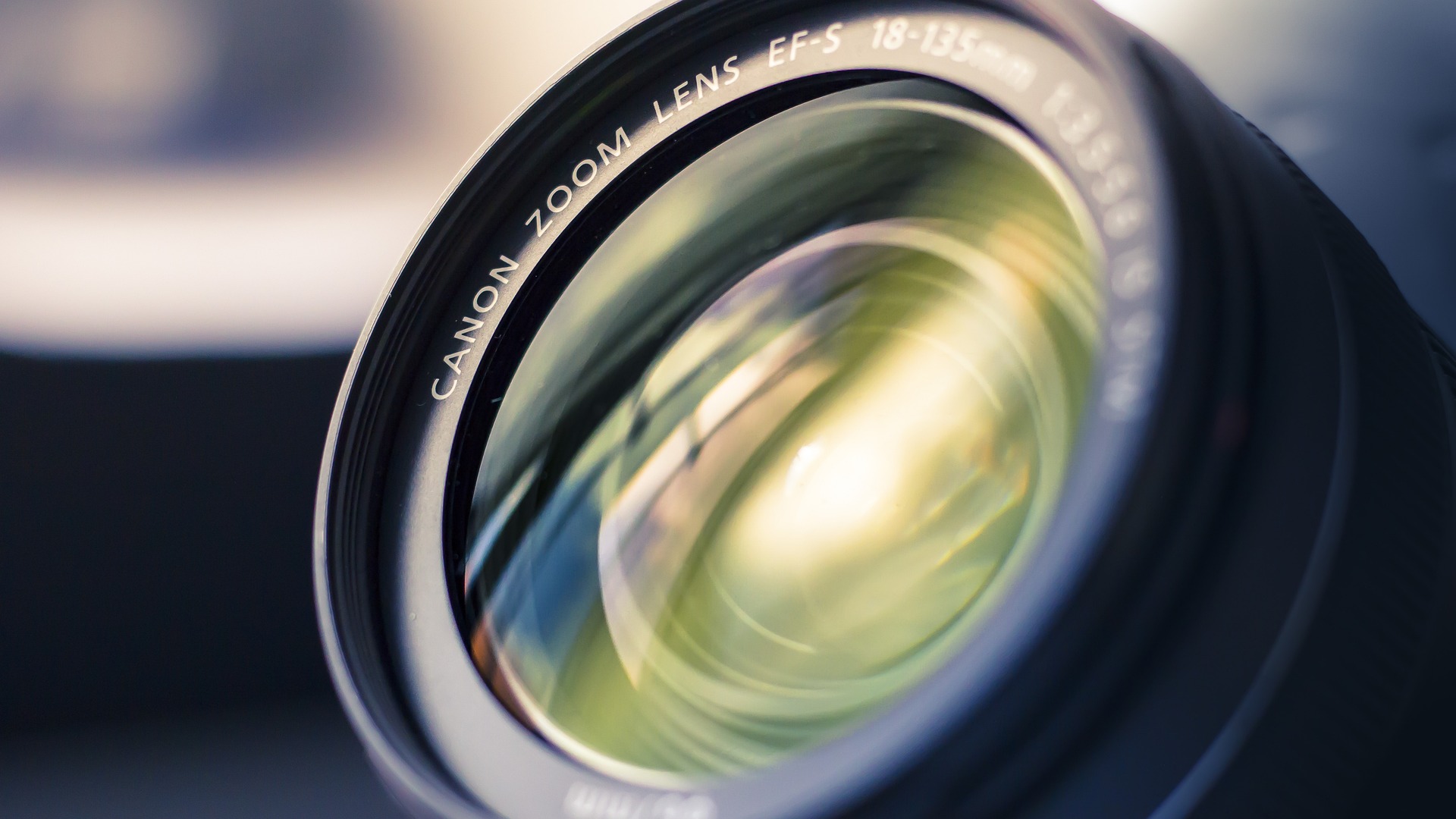
Short-Wave Infrared (SWIR) constitutes a specifically engineered optical lens devised to capture short-wave infrared light that is not directly perceivable by the human eye. This band is customarily designated as light with wavelengths spanning from 0.9 to 1.7 microns. The operational principle of the short-wave infrared lens hinges on the transmission properties of the material for a specific wavelength of light, and with the assistance of specialized optical materials and coating technology, the lens can proficiently conduct short-wave infrared light while suppressing visible light and other undesirable wavelengths.

Its principal characteristics comprise: 1. High transmittance and spectral selectivity: SWIR lenses employ specialized optical materials and coating technology to attain high transmittance within the short-wave infrared band (0.9 to 1.7 microns) and possess spectral selectivity, facilitating the identification and conduction of specific wavelengths of infrared light and the inhibition of other wavelengths of light. 2. Chemical corrosion resistance and thermal stability: The material and coating of the lens demonstrate outstanding chemical and thermal stability and can sustain optical performance under extreme temperature fluctuations and diverse environmental circumstances. 3. High resolution and low distortion: SWIR lenses manifest high resolution, low distortion, and rapid response optical attributes, fulfilling the requirements of high-definition imaging.

camera-932643_1920

Shortwave infrared lenses are extensively utilized in the domain of industrial inspection. For example, in the semiconductor manufacturing process, SWIR lenses can detect flaws inside silicon wafers that are arduous to detect under visible light. Shortwave infrared imaging technology can augment the accuracy and efficiency of wafer inspection, thereby reducing manufacturing costs and enhancing product quality.

Short-wave infrared lenses play a vital role in semiconductor wafer inspection. Since shortwave infrared light can permeate silicon, this attribute empowers short-wave infrared lenses to detect defects within silicon wafers. For instance, the wafer might have fissures due to residual stress during the production process, and these fissures, if undetected, will directly influence the yield and manufacturing cost of the final completed IC chip. By leveraging short-wave infrared lenses, such defects can be effectively discerned, thereby promoting production efficiency and product quality.

In practical applications, shortwave infrared lenses can furnish high-contrast images, making even minute defects conspicuously visible. The application of this detection technology not only enhances the accuracy of detection but also reduces the cost and time of manual detection. According to the market research report, the demand for short-wave infrared lenses in the semiconductor detection market is ascending year by year and is expected to maintain a stable growth trajectory in the forthcoming few years.

Media Contact
Company Name: Shangrao Jinyuan Optoelectronics Technology Co., Ltd.
Email:Send Email
Country: China
Website: https://www.jylens.com/

Explore the wonders of the ocean and embark on a childhood dream journey

Sanya Shanhaitian Children's Park, built by Kaiqi, is located in the picturesque JW Marriott Hotel, cleverly integrating the surrounding natural ecology and rich island culture. The park combines seascape, sea interest and sea charm, and focuses on unpowered amusement facilities, aiming to provide a safe and fun playing environment for children, so that they can learn in play and grow up in games.

The sun, the beach, the waves, and the laughter of the children, this is a paradise for the children. In the beach area, we specially created a devil fish combination slide, so that the children can feel the ups and downs of the waves, and experience the speed and passion. Tired of? Take a nap at the fish head "bar", where there are snacks specially prepared for children, so that they can enjoy the food after having fun.

Here is a paradise for Marine life. With whales, octopus and jellyfish as images, to create unpowered amusement equipment exclusive to the ocean world, shape or winding, or floating on the sea floor, children can also learn rich knowledge of Marine life while playing. Each set of slides is like an immersive deep-sea adventure, allowing the children to broaden their knowledge in play and stimulate their curiosity and desire to explore the ocean world.

If your children love speed and challenge, the speed zone will be their choice. The large combination slide with the image of sharks, not only stunning, but also exciting and fun. Children can experience the speed and agility of a shark here, and each slide is a challenge of courage and speed.

Sanya ShanhaitianChildrens Park is not only an amusement park, but also a Marine cultural experience center. We combine the surrounding ecology and the island culture, so that children can feel the beauty of nature and learn Marine knowledge during their play.

Concept Of Playground Equipment

On December 30, 2011, the General Administration of quality supervision, inspection and Quarantine of the people's Republic of China and China National Standardization Administration jointly issued the national standard GB / t27689 2011 children's Playground equipment, which has been officially implemented since June 1, 2012. Since then, China has ended the history of no national standards for playground equipment, and officially determined the name and definition of playground equipment at the national level for the first time. The playground equipment means the equipment for kids 3-14 years old to play without power by electric, hydraulic or pneumatic device, they are composed of functional parts like climber, slide, crawl tunnel, ladders and swing and fasteners. 

Media Contact
Company Name: Kaiqi Group Co., Ltd.
Email:Send Email
Country: China
Website: https://www.chinaplayground.com/