
The global cardiovascular devices market is experiencing steady growth due to the rising burden of cardiovascular diseases (CVDs) and the increasing adoption of advanced medical technologies. The market, valued at US$72.83 billion in 2023, reached US$77.71 billion in 2024 and is projected to expand at a CAGR of 7.3% from 2024 to 2029, ultimately reaching US$110.39 billion by 2029. The growing prevalence of risk factors such as hypertension, diabetes, obesity, and sedentary lifestyles is significantly contributing to the increasing incidence of cardiovascular conditions worldwide. In addition, the expanding geriatric population, which is more susceptible to cardiac disorders, is further driving the demand for advanced cardiovascular diagnostic and therapeutic devices.
Download PDF Brochure: https://www.marketsandmarkets.com/pdfdownloadNew.asp?id=72205881
Technological advancements in cardiovascular care, including innovations such as drug-eluting stents, bioresorbable stents, bioresorbable occluders, and advanced imaging systems, are enhancing procedural success rates and improving patient outcomes. Furthermore, the increasing preference for minimally invasive procedures and remote monitoring technologies is encouraging the adoption of cardiovascular devices across healthcare settings. These procedures offer several advantages, including faster diagnosis, shorter hospital stays, and quicker recovery times. Governments and healthcare providers in emerging economies are also investing in healthcare infrastructure modernization, which is expected to accelerate the adoption of cardiovascular devices globally during the forecast period.
Rising Cardiovascular Disease Burden Driving Demand for Advanced Devices
The increasing prevalence of cardiovascular diseases remains the most significant factor driving the growth of the cardiovascular devices market. CVDs continue to be one of the leading causes of mortality worldwide, and the number of patients requiring advanced cardiac treatments is rising steadily. Lifestyle changes, including reduced physical activity, unhealthy diets, smoking, and increasing stress levels, have significantly contributed to the growing incidence of heart-related disorders.
As the number of patients diagnosed with cardiovascular diseases rises, healthcare systems are increasingly relying on advanced diagnostic and therapeutic devices such as pacemakers, stents, implantable cardioverter defibrillators (ICDs), and cardiac monitoring systems. These devices play a critical role in improving patient outcomes by enabling early diagnosis, effective treatment, and continuous monitoring of cardiac conditions.
Technological innovation has also played a major role in strengthening the cardiovascular devices market. Developments in minimally invasive treatment methods have transformed the way cardiovascular diseases are treated. Procedures such as percutaneous coronary intervention (PCI) allow physicians to treat coronary artery disease using devices like stents, catheters, and angioplasty balloons without requiring major surgery. These procedures reduce recovery time and improve patient comfort, which has significantly increased their adoption.
Additionally, increased healthcare expenditure and supportive government initiatives aimed at improving cardiovascular disease diagnosis and treatment are boosting the demand for cardiovascular devices worldwide. Governments and healthcare organizations are investing in cardiac care facilities and advanced medical technologies to improve patient outcomes and reduce mortality associated with heart diseases.
Aging Population and Emerging Economies Creating Significant Growth Opportunities
The growing global elderly population is expected to create substantial opportunities for the cardiovascular devices market. Aging is one of the primary risk factors for cardiovascular diseases, including coronary artery disease, heart failure, arrhythmias, and structural heart disorders. Physiological changes in the cardiovascular system, such as reduced vascular elasticity and arterial stiffening, increase the likelihood of cardiac complications among older individuals.
The global population aged 65 years and above is projected to double by 2050, significantly increasing the demand for cardiovascular diagnostic, monitoring, and therapeutic devices. Older patients often require continuous monitoring and advanced treatment solutions, which is expected to drive the adoption of implantable cardiac devices and minimally invasive procedures.
Emerging economies are also becoming key contributors to the growth of the cardiovascular devices market. Countries in the Asia Pacific region, for example, are rapidly strengthening their healthcare infrastructure and expanding access to advanced cardiac treatments. The Asia Pacific cardiovascular devices market is projected to reach USD 27.499 billion by 2029, growing at a CAGR of 8.85%, reflecting strong regional demand.
Technological innovations in structural heart disease treatments are also contributing to market expansion. Minimally invasive procedures such as transcatheter aortic valve replacement (TAVR) and advanced mitral valve repair technologies are gaining popularity due to their ability to treat complex heart conditions with lower surgical risk. These procedures are particularly beneficial for elderly patients who may not be suitable candidates for open-heart surgery. Increasing investments in research and development and the rise of personalized medicine are expected to further enhance the growth potential of the cardiovascular devices market.
Request Sample Pages: https://www.marketsandmarkets.com/requestsampleNew.asp?id=72205881
Regulatory Challenges and Device-Related Risks Pose Market Constraints
Despite strong growth prospects, the cardiovascular devices market faces certain challenges that could restrain its expansion. One of the most significant barriers is the presence of stringent regulatory requirements for medical device approvals. Regulatory authorities require comprehensive clinical evidence to ensure the safety and effectiveness of cardiovascular devices before granting approval for commercialization.
The lengthy approval processes often delay the introduction of innovative devices into the market and increase development costs for manufacturers. Smaller companies, in particular, may struggle to meet the financial and operational demands associated with regulatory compliance, clinical trials, and quality assurance standards. As a result, some innovative technologies may take longer to reach patients, potentially slowing the pace of innovation within the industry.
Another challenge affecting the market is the risk of complications associated with implantable cardiovascular devices such as pacemakers, defibrillators, and stents. Although these devices are essential for managing severe cardiac conditions, complications such as infections, device malfunction, blood clots, or allergic reactions may occur in rare cases. In certain situations, patients may require additional surgical procedures to remove or replace malfunctioning devices, which can increase treatment costs and recovery time.
However, ongoing technological advancements and improved device designs are helping to minimize these risks. Continuous innovation in materials, device engineering, and remote monitoring technologies is expected to improve the safety and effectiveness of cardiovascular devices, ensuring continued growth of the market in the coming years.
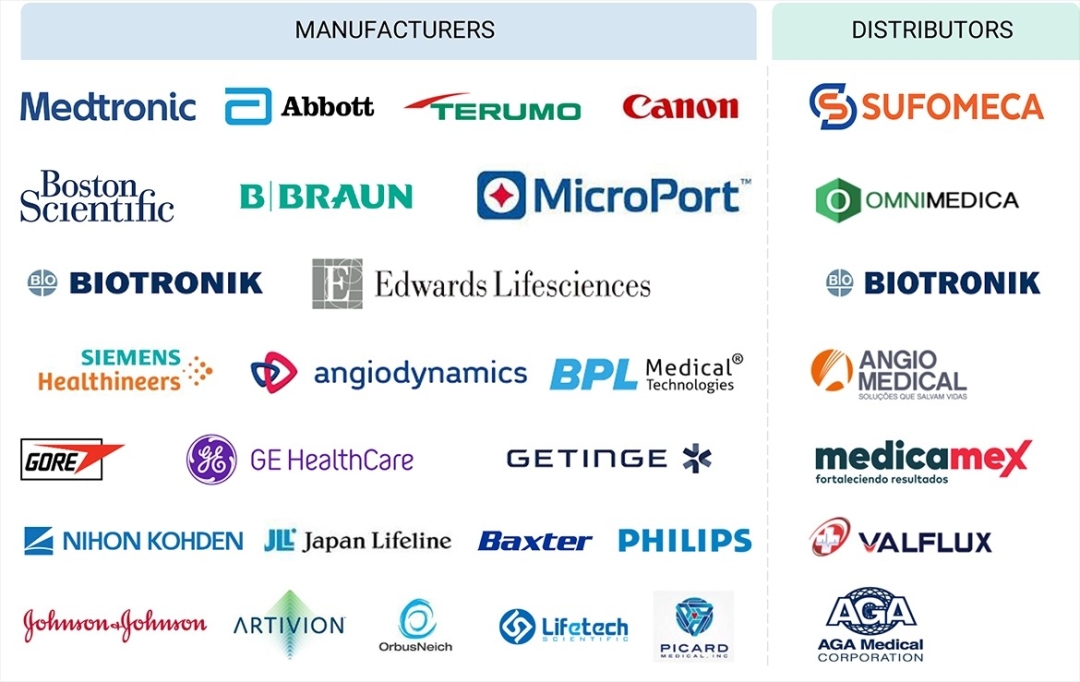
Key players operating in the cardiovascular devices market include Boston Scientific Corporation (US), Medtronic (US), Abbott (US), B. Braun SE (Germany), Terumo Corporation (Japan), Edwards Lifesciences Corporation (US), Koninklijke Philips N.V. (Netherlands), BIOTRONIK SE & Co. KG (Germany), GE Healthcare Technologies, Inc. (US), Siemens Healthineers AG (Germany), Johnson & Johnson (US), Baxter International Inc (US), Getinge AB (Sweden), Lepu Medical Technology (Beijing) Co., Ltd (China), Nihon Kohden Corporation (Japan), MicroPort Scientific Corporation (China), Japan Lifeline Co., Ltd. (Japan), AngioDynamics, Inc. (US), Artivion Inc (US), Sahajanand Medical Technologies Limited (India), and W.L. Gore & Associates, Inc (US).
Related Reports:
Cardiac Monitoring & Rhythm Management Devices Market
Media Contact
Company Name: MarketsandMarkets™ Research Private Ltd.
Contact Person: Mr. Rohan Salgarkar
Email:Send Email
Phone: 18886006441
Address:1615 South Congress Ave. Suite 103, Delray Beach, FL 33445
City: Florida
State: Florida
Country: United States
Website: https://www.marketsandmarkets.com/Market-Reports/cardiovascular-devices-market-72205881.html

