
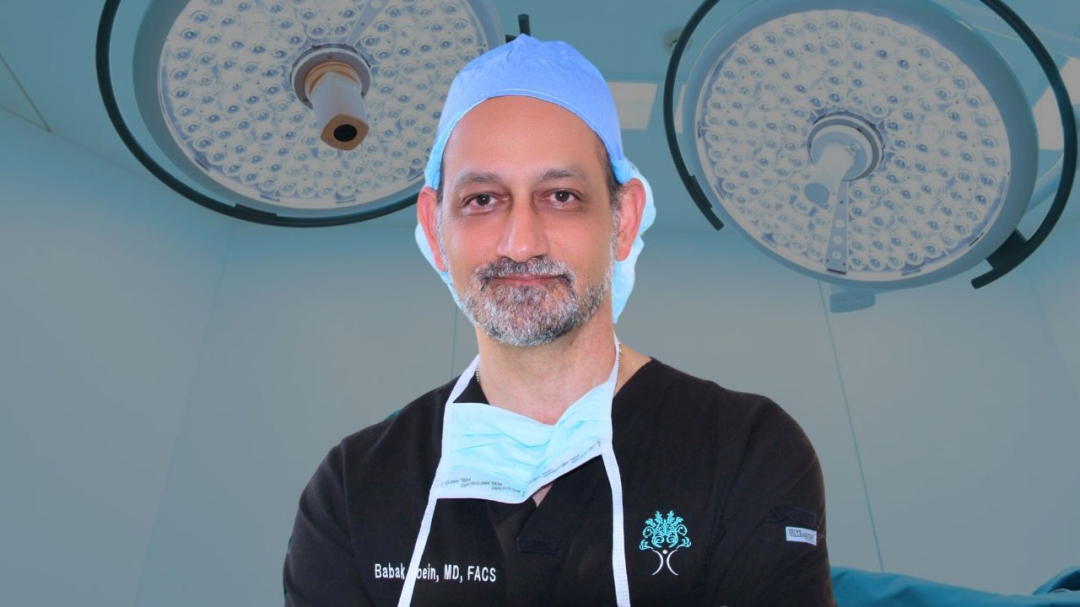
Healthy Life Bariatrics is highlighting laparoscopic gallbladder surgery as an effective treatment option for patients experiencing painful gallstones and other forms of symptomatic gallbladder disease.
Gallstones may remain unnoticed when they do not obstruct the flow of bile. When a stone blocks a bile duct, however, patients may experience a sudden gallbladder attack requiring prompt medical evaluation. Symptomatic gallstones can also lead to complications such as gallbladder inflammation, bile duct infection, jaundice, or gallstone-related pancreatitis.
Recognizing Symptoms of Gallbladder Disease
Common signs of gallbladder disease may include:
Sudden or persistent pain in the upper-right abdomen
Pain developing after a heavy or fatty meal
Nausea or vomiting
Abdominal bloating or tenderness
Fever or chills
Yellowing of the skin or eyes
Dark urine or light-colored stools
Severe abdominal pain lasting several hours, particularly when accompanied by fever, vomiting, chills, or jaundice, requires timely medical attention.
How Gallstones Are Diagnosed
Before recommending surgery, Dr. Babak Moein evaluates the patient’s symptoms, medical history, physical examination findings, and diagnostic imaging.
An abdominal ultrasound is commonly used to identify gallstones and signs of gallbladder inflammation. Blood testing may reveal infection, liver abnormalities, or a possible bile duct obstruction. Additional studies—including a HIDA scan, magnetic resonance cholangiopancreatography, endoscopic ultrasound, or ERCP—may be recommended when the diagnosis is uncertain or a stone within the common bile duct is suspected.
How Laparoscopic Gallbladder Surgery Works
Laparoscopic cholecystectomy is the standard surgical approach for most patients who require gallbladder removal because of symptomatic gallstones.
During the procedure, the patient is typically placed under general anesthesia. Several small abdominal incisions allow the surgeon to introduce a camera and specialized instruments. The gallbladder is carefully separated from its surrounding attachments and removed through one of the small access sites.
Compared with traditional open surgery, the laparoscopic approach generally offers smaller incisions, less postoperative discomfort, and a faster return to daily activities. Open surgery may still be necessary when severe inflammation, infection, scar tissue, unusual anatomy, or another complication makes laparoscopic removal unsafe.
Is Surgery Necessary for Every Gallstone?
Gallstones that produce no symptoms do not always require immediate surgery. Monitoring may be appropriate when stones are discovered incidentally and the patient has no pain, inflammation, or obstruction.
Surgery is more commonly recommended when gallstones cause repeated attacks, chronic discomfort, gallbladder inflammation, bile duct obstruction, infection, or pancreatitis. Removing the gallbladder treats the source of the problem and generally prevents new gallstones from forming within that organ.
Recovery After Laparoscopic Cholecystectomy
Many uncomplicated laparoscopic procedures are performed on an outpatient basis or require only a brief period of observation. Patients are encouraged to walk soon after surgery and gradually advance their diet and activity according to their surgeon’s instructions.
Many patients can resume light work and routine daily activities within approximately one to two weeks. Complete internal healing may take longer, and lifting or strenuous exercise should be avoided until cleared by the surgical team.
Living Without a Gallbladder
The gallbladder stores bile produced by the liver, but it is not essential for survival. After gallbladder removal, bile continues to travel from the liver into the small intestine to support digestion. Some patients experience temporary digestive changes, but most gradually return to a normal or near-normal diet.
Gallbladder Surgery in Los Angeles
Dr. Babak Moein provides evaluations for gallstones, biliary colic, chronic gallbladder inflammation, and related abdominal symptoms at Healthy Life Bariatrics in Los Angeles.
Patients experiencing recurrent upper abdominal pain, nausea after meals, or other signs of gallbladder disease may schedule a consultation to determine whether laparoscopic cholecystectomy or further diagnostic testing is appropriate.
Media Contact
Company Name: Healthy Life Bariatrics
Contact Person: Bariatric Surgeon Dr.Moeinolmolki
Email:Send Email
Phone: +1(310)861-4093
Address:2080 Century Park East, Suite 501
City: Los Angeles
State: CA
Country: United States
Website: https://healthylifebariatrics.com/

