
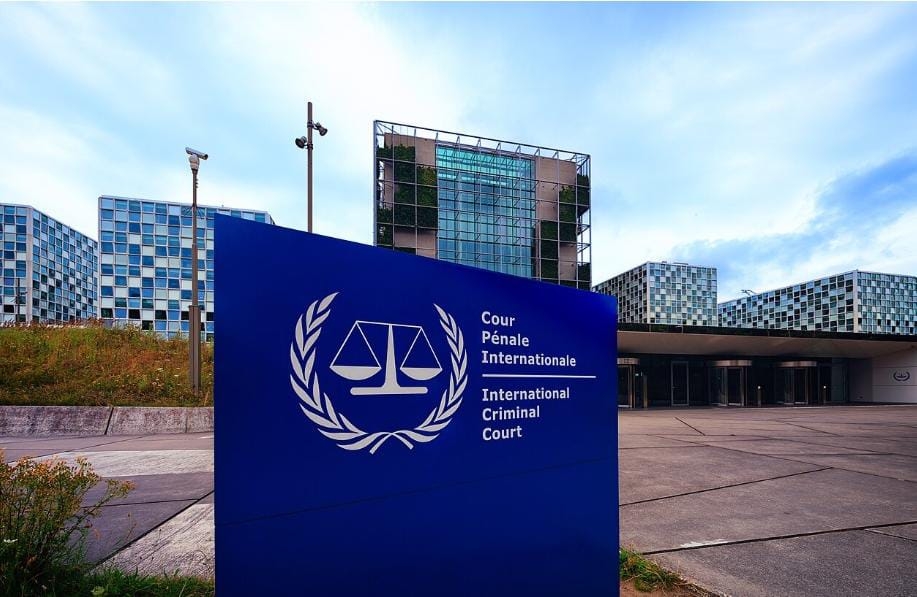
A fresh session began at the ICC’s headquarters in The Hague, where officials and country representatives exchanged views on rising tensions, inconsistent government support, meanwhile reflecting on how the court might evolve, per coverage from The Associated Press.
A Critical Moment for Global Justice
Starting off, Tomoko Akane, president of the ICC, spoke about a tough phase for global justice. She called it an "extraordinary moment," according to AP's coverage. Her audience included envoys, lawyers, and judges tied to the court. Pressure keeps building on tribunals like hers. Some forces are trying hard to weaken them. That came through clearly in her words.
Rising Political Tensions Around the ICC
Now things are getting tense around the court, especially after moves made last year. Late in 2024, the prosecutor went public with requests targeting top figures, Netanyahu, once, defense chief Gallant, plus key people in Hamas, all tied to actions in Gaza. War crimes, harm to civilians, that kind of charge. The spotlight's been growing ever since. For now, everything sits under close watch.
International Reaction and U.S. Criticism
Criticism followed from the U.S., sparked by what happened. Debate flared again about how much power the court really holds. The Associated Press pointed out one detail: Israel and the U.S. aren't part of the ICC. Without nations agreeing to help, enforcement depends entirely on their willingness to act.
Structural Limitations of the ICC
Born in 2002, the ICC lacks a dedicated police unit. Instead, it leans on countries that signed up, those expected to enforce arrest orders. Judicial outcomes only move forward if national authorities step in. Cooperation shapes how well things go. Without support from governments, rulings can stall. That reality colors what the court achieves. Willingness to act becomes the real engine behind justice here.
Shrinking Global Support and Treaty Withdrawals
Nowhere has seen more shifts than global treaties lately. Countries like Burundi left the Rome Statute on record. The move followed others such as the Philippines stepping back too. Not long after came Burkina Faso making a similar choice. Then Mali turned away from the agreement as well. Niger joined them not much later. Each exit narrowed the ICC’s scope bit by bit. What once covered wider ground now stretches less far.
Silent Non-Cooperation from Member States
Not just pullouts, but even staying members sometimes back off real support, observers note. When arrest orders get ignored, power to act weakens. Cooperation slips without leaving on paper. Officials point out legal boundaries shape what can happen. National control still decides much of the outcome.
Allegations of Bias and Selective Justice
Nowhere else have doubts been louder than around how fairly the court handles its duties. Some leaders, experts, and observers say patterns in prosecution suggest bias. Early cases centered mostly on African conflict zones, they note, while actions by powerful Western nations escaped similar scrutiny. That imbalance fuels skepticism about equal treatment under global legal rules.
Officials at the ICC insist their work follows evidence alone, never politics. Repeated statements confirm: decisions come from facts, not outside pressure.
European Political Debate Over the ICC’s Role
Still, talk across Europe about the ICC hasn’t stopped. Some leaders in Poland and Italy, alongside dissenting voices in French and German politics, have spoken out through AP coverage, questioning parts of what the court is allowed to do, its power, how it might evolve.
Internal Challenges and Institutional Criticism
Inside the courtroom walls, trouble hasn’t only come from outside forces. Reports from AP show employees speaking up, along with monitoring groups, about how things are run behind closed doors. How people are treated at work has become a growing point of discussion. Even the way leaders are chosen internally has drawn attention and questions. Management habits have landed under closer watch than before.
The Future of the ICC in a Changing World Order
With the fresh legal season underway, talks between countries drag on about where the ICC is headed. Reports from AP show these conversations cover changes to how the court operates, doubts around long-term collaboration, while also asking if today’s approach to global justice still fits a world in flux.
Media Contact
Company Name: Future Center for Strategic Studies and Risk Assessment
Contact Person: Ahmed Sherif
Email:Send Email
Phone: +20 12 2339 2654
Country: Egypt
Website: https://fcssr.com/

