
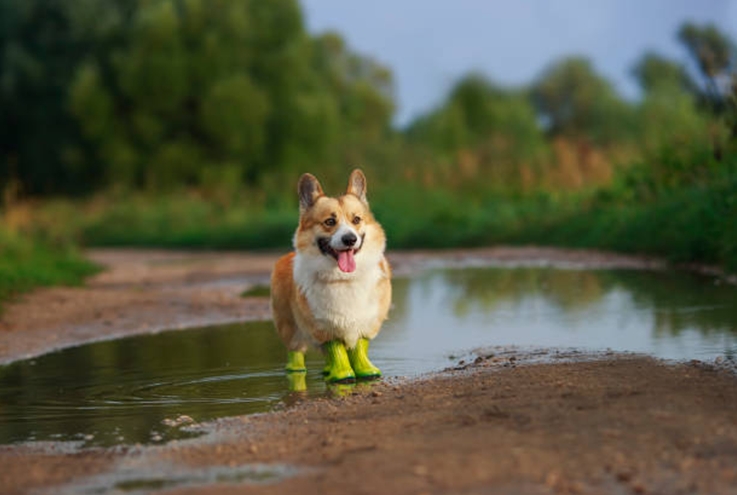
If you’ve ever come home from a walk with muddy paw prints all over the floor, you already know how quickly wet weather can turn a simple outing into a cleanup job. But mess is only one part of the problem. Rain, puddles, wet grass, and muddy trails can soften paw pads, cause irritation between toes, and increase the risk of slipping. In tougher conditions, sharp gravel, thorns, ice melt, or hot surfaces can also damage paws.
That’s where protective paw gear becomes genuinely useful. Some dogs do fine without footwear in mild conditions, but many benefit from added protection during wet seasons and rough terrain. This article explains what Waterproof Dog Boots are good for, how they differ from lighter options, and when Dog Paw Protectors make more sense for your dog’s daily routine.
Why Wet Conditions Can Be Hard on Dog Paws
Dog paws are tough, but moisture changes everything. When paw pads stay wet for too long, they soften. Softer pads can become more sensitive and easier to cut. Wet fur between the toes can also trap dirt and bacteria, which may lead to itching, redness, or an unpleasant smell. Dogs that already have allergies can feel worse in damp environments because wet grass often holds pollen and irritants.
Wet weather also affects traction. Smooth surfaces like tiles, polished concrete, and even wet sidewalks can become slippery. Dogs might slip suddenly, and that can strain their legs, especially senior dogs or dogs recovering from injuries.
So while rain looks harmless, the after-effects can build up over time. Consistent paw protection can prevent repeated irritation and keep your dog more comfortable.
What Waterproof Dog Boots Actually Do
Waterproof dog boots are designed to block moisture and create a barrier between the paw and wet ground. They are especially helpful in rain, snow slush, muddy parks, and during walks where your dog will step in puddles or wet soil.
The best waterproof boots usually focus on three things: keeping water out, providing grip, and staying securely on the paw.
Here’s what waterproof boots typically help with:
- Stopping soaked paws: Less moisture means less irritation and less smell.
- Reducing mud buildup: Cleaning boots is often easier than cleaning paws and fur.
- Protecting from rough ground: Thick soles reduce impact from gravel and sharp surfaces.
- Preventing chemical contact: Helpful when sidewalks are treated with salt or ice melt.
- Improving stability: A good outsole helps your dog walk with more confidence.
For owners dealing with frequent rain or messy outdoor paths, choosing Waterproof Dog Boots can be a practical step toward cleaner, safer walks.
Dog Paw Protectors: A Broader Category Than Most People Think
When people hear “paw protectors,” they often imagine full boots. But paw protection can include lighter options too, depending on your dog’s needs and the conditions outside.
Dog paw protectors may include:
- Lightweight protective shoes for everyday walks
- Paw coverings designed for traction indoors
- Protective gear that reduces contact with allergens and irritants
- Cold-weather or rough-ground protection depending on design
The main idea is coverage and prevention. Instead of waiting for pads to crack, burn, or get cut, protectors create a buffer that keeps paws healthier during daily exposure.
If you’re exploring paw protection for general daily use, training, or seasonal changes, Dog Paw Protectors can be a helpful category to review when deciding what level of protection your dog actually needs.
Waterproof Boots vs Paw Protectors: Which One Should You Choose?
Many dogs don’t need heavy waterproof boots every day. In fact, some dogs prefer lighter protection unless weather is extreme. The right choice depends on the environment and your dog’s comfort.
Choose waterproof boots when:
You walk in frequent rain, muddy parks, wet trails, or snow slush. Waterproof boots make the most sense when moisture is the main issue and you want long-lasting protection.
Choose lighter paw protectors when:
Your dog mainly needs basic protection, indoor traction, or occasional coverage from rough ground. They can be more comfortable for dogs who dislike bulky boots.
Some owners keep both options. They use waterproof boots for rainy days and lighter protectors for regular walks. This approach can be practical if your weather changes often.
How to Get the Right Fit Without Guessing
Sizing issues are the biggest reason dog boots fail. If the boots slip, twist, or fall off, your dog will hate them. If they’re too tight, your dog may limp or refuse to walk.
A simple sizing method:
- Have your dog stand normally (weight on the paw).
- Place the paw on paper and trace around it.
- Measure width at the widest point and length from heel to toe.
- Compare with the product sizing guide.
Fit should feel snug, not tight. Your dog should still be able to spread toes naturally. Straps should secure the boot without leaving deep marks on the leg.
Also keep in mind: front and back paws can be different sizes. Many dogs need one size for front paws and another for back paws.
Materials That Matter in Wet and Rough Conditions
Not all “water-resistant” claims are equal. Some boots handle light dampness but fail in puddles. Others are built to block water while still letting paws breathe.
In wet weather, look for:
- A water-blocking outer layer
- Sealed seams or tight stitching
- A sole with good traction
- A lining that doesn’t irritate the skin
Breathability is important too. If moisture gets trapped inside the boot, it can create discomfort. Removing boots after the walk and drying them helps prevent irritation and odor.
For rough terrain, pay attention to the outsole. A thicker, grippy sole protects from sharp ground and gives your dog more stability.
Helping Your Dog Accept Boots Without Stress
Many dogs don’t like boots on the first day. They might walk stiffly, kick their feet, or freeze. That’s normal. Your job is to make the process calm and gradual.
A smoother way to introduce boots:
- Let your dog sniff the boots first
- Put on one boot for a few seconds, then remove it
- Reward with treats and praise
- Slowly increase wear time indoors
- Start with short outdoor walks once your dog moves normally
Avoid putting boots on for the first time right before a long walk in rain. That usually leads to frustration for both you and your dog.
For dogs that chew at the boots, distraction helps. A short training session, a treat puzzle, or a calm walk can shift focus away from the footwear.
Where Waterproof Boots Help Most
Waterproof boots are not only for rain. They’re also useful in situations where moisture mixes with irritants or rough surfaces.
Common examples:
- Rainy sidewalks with oil and dirt
- Muddy dog parks
- Trails with wet rocks and sharp gravel
- Snowy streets with ice melt chemicals
- Wet grass that triggers paw irritation
If your dog comes home with red paws, keeps licking toes, or starts slipping on wet ground, waterproof boots can be a practical solution.
Care Tips to Make Paw Protection Work Long-Term
Boots and protectors work best when you treat them like gear, not like a permanent “leave on” item.
Basic care habits:
- Remove boots after walks so paws can breathe
- Wipe and dry paws, especially between toes
- Clean boots after muddy walks
- Check for rubbing spots around the ankle area
- Trim nails and paw fur if slipping is an issue
These small habits reduce odor, prevent irritation, and make your dog more comfortable over time.
Common Mistakes That Make Dogs Hate Boots
Many dogs hate boots because of preventable mistakes, not because boots are “bad.”
Most common errors:
- Wrong size causing twisting or slipping
- Boots that are too stiff for your dog’s walking style
- Straps tightened too much
- Introducing boots during an already stressful situation
- Not checking paws after wear
The fix is usually simple: better fit, softer introduction, and shorter first sessions.
Conclusion
Paw protection is not just about keeping your floors clean. Wet weather, mud, rough terrain, and chemical-treated sidewalks can all take a toll on your dog’s paws over time. The right footwear helps prevent discomfort before it becomes a problem, and it can make walks safer by improving grip and reducing slipping.
Waterproof dog boots are especially useful when moisture is constant and you need a stronger barrier against rain, slush, and muddy ground. Dog paw protectors, on the other hand, offer broader day-to-day coverage and can be a better fit for lighter conditions or indoor traction needs. When you choose the right size, introduce the gear gradually, and check paws regularly, most dogs adjust well and benefit from the extra protection.
FAQs
1) Are waterproof dog boots comfortable for daily use?
They can be, but it depends on fit and your dog’s activity. Many dogs use them comfortably during wet walks. For daily dry weather, lighter protectors may feel better.
2) How do I know if my dog needs paw protectors?
If your dog slips often, licks paws after walks, avoids certain surfaces, or shows cracked pads, paw protection can help reduce irritation and injury.
3) Can boots cause rubbing or sores?
Yes, if they are too tight, too loose, or worn too long without breaks. Always check paws after use, especially during the first week.
4) Should I remove boots immediately after the walk?
Yes. Removing them helps paws breathe and prevents trapped moisture, which can cause irritation or odor.
Media Contact
Company Name: Sovelivee
Email:Send Email
Country: United States
Website: https://sovelivee.com/

