
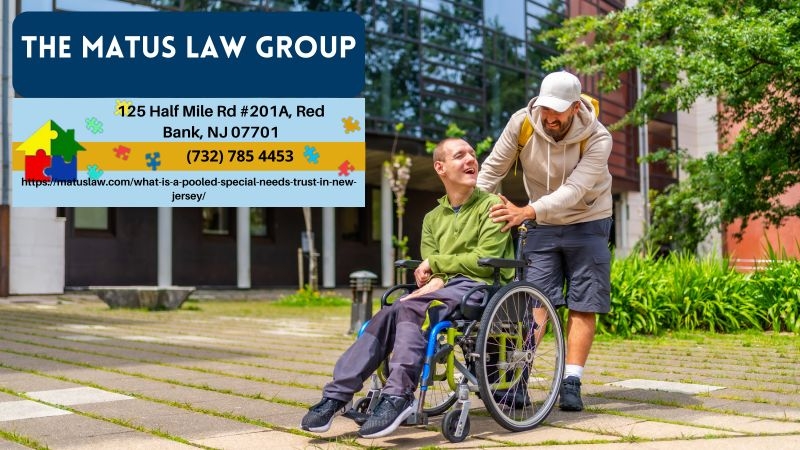
TOMS RIVER, NJ - Individuals with disabilities can protect assets without jeopardizing Medicaid or Supplemental Security Income eligibility through pooled special needs trusts managed by nonprofit organizations. Monmouth County trust attorney Christine Matus of The Matus Law Group (https://matuslaw.com/what-is-a-pooled-special-needs-trust-in-new-jersey/) is helping New Jersey families understand how pooled trusts work, who qualifies, and the benefits and limitations of this estate planning tool under federal and state law.
According to Monmouth County trust attorney Christine Matus, pooled special needs trusts allow multiple beneficiaries to pool resources under a master trust managed by a nonprofit organization, with each person maintaining a separate sub-account. These trusts comply with federal requirements under 42 U.S.C. Section 1396p(d)(4)(C) and protect assets from being counted as available resources, allowing beneficiaries to receive distributions for quality-of-life expenses not covered by public benefits.
Monmouth County trust attorney Christine Matus has helped families throughout New Jersey set up special needs trusts that meet strict legal requirements while addressing the emotional concerns parents and caregivers have when planning for vulnerable individuals' futures. With over 25 years of experience in estate planning and trust law, she provides personalized guidance through the complex rules governing these arrangements.
"Pooled special needs trusts are particularly valuable for individuals with modest assets, typically under $250,000, who need professional money management or lack family members who can serve as trustees for individual trusts," Matus explains. "The nonprofit trustee provides experienced oversight while keeping costs lower than individual trust administration."
Pooled trusts fall into two categories depending on funding sources. First-party pooled trusts are funded with the beneficiary's own money, such as personal injury settlements or inheritances, and are subject to New Jersey Medicaid payback requirements when the beneficiary dies. Third-party pooled trusts hold assets contributed by family members, such as parents or grandparents, and typically avoid Medicaid payback rules since the assets never belonged to the beneficiary.
Individuals of any age with disabilities can participate in pooled special needs trusts in New Jerse,y provided they meet the Social Security Administration's definition of disability for SSI purposes. People already receiving SSI or Social Security Disability Insurance have been determined disabled and can join without additional evaluation. Families in Monmouth County and throughout New Jersey often choose pooled trusts when planning for adult children with developmental disabilities, individuals who have suffered traumatic injuries, or elderly parents developing dementia.
"Professional financial management is a significant advantage of pooled trusts," Attorney Matus notes. "Nonprofit trustees have expertise in both investment management and public benefits law, which is essential in New Jersey, where Medicaid rules are strict. This oversight also protects beneficiaries from financial exploitation."
Setting up a pooled trust requires selecting a nonprofit organization authorized to operate pooled trusts in New Jersey, reviewing the master trust agreement and joinder agreement carefully to understand fees and distribution policies, completing the joinder agreement with beneficiary information, and transferring assets according to the organization's requirements. Organizations like PLAN/NJ have extensive experience managing these trusts and understanding New Jersey Medicaid regulations.
Distributions from pooled trusts can cover expenses not provided by public assistance, including therapy, education, recreation, and personal care services. For families in communities like Toms River, where medical facilities such as Community Medical Center provide specialized care, pooled trusts ensure beneficiaries can afford supplemental medical treatments and equipment. However, trusts generally cannot provide direct cash payments to beneficiaries as these are counted as unearned income and may reduce or eliminate Medicaid and SSI eligibility.
When pooled trust beneficiaries die, unused funds in their sub-accounts do not automatically transfer to family members or heirs. Nonprofit organizations retain these funds to support other beneficiaries or charitable purposes aligned with their missions. New Jersey Medicaid also has the right to reimbursement for benefits paid during the beneficiary's lifetime from first-party pooled trusts. For families hoping to leave financial legacies, options like purchasing life insurance or creating supplemental third-party trusts can address this concern.
Pooled trusts are irrevocable, meaning assets cannot be removed or reallocated once transferred. If beneficiaries' needs evolve or new care options emerge, funds in the trust may not be easily redirected. Families must work closely with trustees to develop spending plans that align with both beneficiaries' needs and the trust's legal requirements under federal and New Jersey law.
Matus advises families to consider individual trusts when assets exceed $250,000, families want more control over investments and distributions, or specific circumstances require customized provisions. Individual trusts can also include more flexible remainder provisions allowing unused funds to pass to family members rather than remaining with nonprofits. The choice depends on asset size, family dynamics, beneficiaries' specific needs, and long-term estate planning goals.
About The Matus Law Group:
The Matus Law Group is a Monmouth County-based law firm dedicated to estate planning with a focus on trusts and special needs planning. Led by attorney Christine Matus, the firm helps New Jersey families protect vulnerable beneficiaries while meeting legal requirements. For consultations, call (732) 785-4453.
Embeds:
Youtube Video: https://www.youtube.com/watch?v=FVRQ1YX9_TQ
GMB: https://www.google.com/maps?cid=3241702663730814860
Email and website
Email: admin@matuslaw.com
Website: https://matuslaw.com/monmouth-county-nj/
Media Contact
Company Name: The Matus Law Group
Contact Person: Christine Matus
Email:Send Email
Phone: (732) 785-4453
Address:125 Half Mile Rd #201A
City: Red Bank
State: New Jersey 07701
Country: United States
Website: https://matuslaw.com/monmouth-county-nj/

