
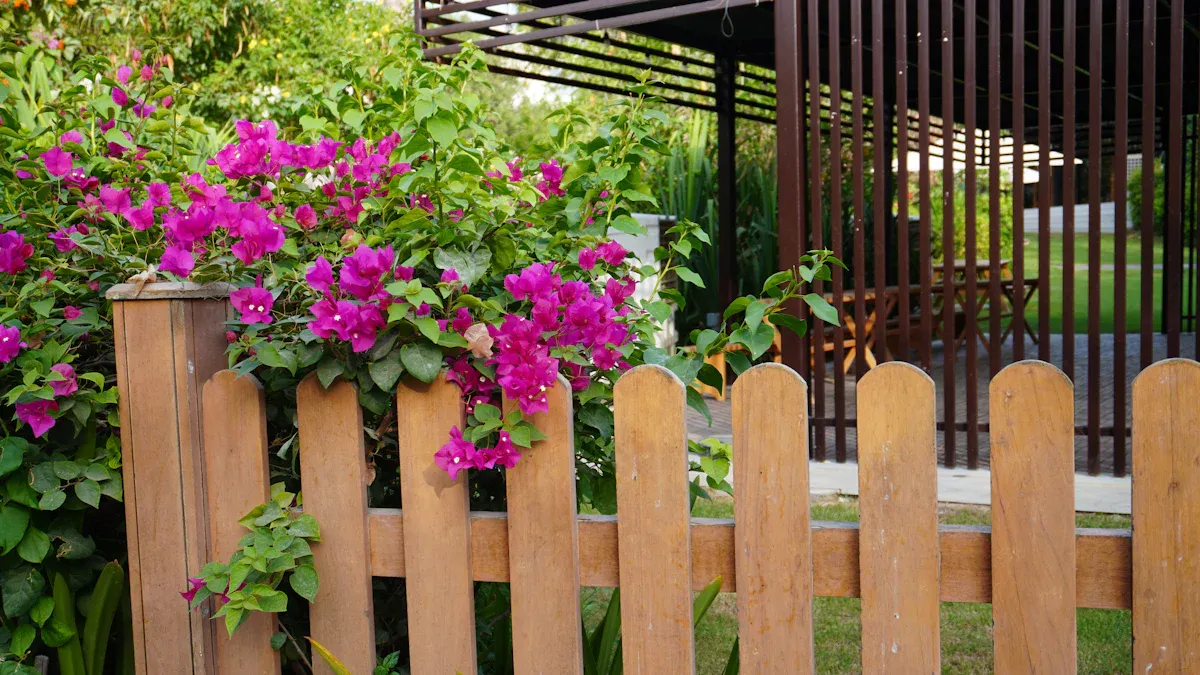
A high-quality, well-maintained wpc garden fence offers remarkable durability. Many fences last 15-20 years, with some exceeding 20 years and potentially reaching 30 years or more. Wpc Fences generally last over 25 years with minimal maintenance. This significantly outlives traditional wooden fences, which typically require replacement every 10 to 15 years. This makes WPC a superior long-term choice.
Key Takeaways
- WPC fences last a long time. They can last 15 to 20 years, even up to 30 years. This is much longer than wood fences.
- WPC fences need little care. You do not need to paint or stain them. Just clean them with soap and water.
- WPC fences are good for the Earth. They use recycled wood and plastic. This helps save trees and reduce waste.
The Expected Lifespan of a WPC Garden Fence

Average Durability of WPC Garden Fences
A WPC garden fence offers remarkable longevity. These fences typically have a long life, ranging from 10 to 15 years. Many WPC garden fences provide long-lasting durability. They resist decay, rotting, and warping. These fences also handle various weather and climate events well. This includes heavy rain, fluctuating temperatures, and intense UV exposure. The service life of a wood plastic composite fence generally falls between 15 and 20 years. However, several factors influence this duration. Material quality, installation craftsmanship, and the usage environment play a role. High-quality materials and professional installation can extend the lifespan. Some high-quality fences last over 20 years under ideal conditions. Generally, high-quality WPC materials ensure a fence lasts 10 to 20 years outdoors. Lifespan can vary significantly between different brands and products.
Why WPC Outlasts Traditional Materials
WPC materials possess inherent properties that allow them to outlast traditional wood. Their unique composition provides superior strength and resilience.
| Property | WPC | Natural Wood |
|---|---|---|
| Density (g/cm³) | 1.2 - 1.4 | 0.4 - 0.9 |
| Screw Holding Capability | High | Modest |
| Resistance to Bending | High | Low to Modest |
| Resistance to Cracking | High | Reduced to Modest |
WPC's higher density and superior resistance to bending and cracking make it more robust. It is less prone to structural damage compared to natural wood. Its high screw-holding capability also ensures greater stability in construction over time.
Several other factors contribute to WPC's extended lifespan:
- Resistance to Elements: WPC is highly resistant to moisture. This prevents rotting, warping, and mold growth. It makes WPC ideal for outdoor use. Unlike natural wood, which absorbs moisture, WPC repels it. This makes it suitable for humid or rainy environments.
- UV Protection: WPC is inherently resistant to UV light. This prevents fading and breakdown that natural wood experiences from sun exposure. Advanced co-extrusion technology with a specialized coating provides exceptional UV protection. This maintains the color and appearance of panels even under continuous sunlight.
- Insect and Pest Resistance: WPC's composite nature makes it less susceptible to damage from termites and other insects. These pests can severely harm natural timber structures.
- Structural Integrity: WPC does not splinter, warp, or crack like traditional wood. It maintains its appearance and structural integrity with minimal upkeep. The combination of wood fibers and recycled plastics results in a stronger, more durable material. It withstands physical impacts and daily wear and tear.
- Low Maintenance:WPC requires significantly less upkeep than natural wood. It eliminates the need for regular discoloration, treatment, and sealing. These tasks are time-consuming and costly for wood. Wpc Panels do not require regular painting, staining, or sealing. This saves time and money over their lifespan. WPC also has high resistance to chemicals and stains. This quality prevents discoloration from spills. It maintains the material's original appearance and extends its lifespan.
Key Factors Influencing WPC Garden Fence Longevity
Material Quality and Composition
High-quality materials form the foundation of a long-lasting WPC garden fence. WPC fencing uses an innovative blend of recycled wood fibers and plastic, typically high-density polyethylene (HDPE). This composite material offers both aesthetic appeal and structural resilience. The combination of these materials creates a product that effectively resists moisture, rot, insects, and warping. It also retains the natural appearance of wood. Ningbo Yida Wood Plastic Technology Co., Ltd. invests in advanced production technology and research. This ensures their WPC materials have excellent properties. These include being waterproof, moisture-proof, mildew-proof, insect-proof, black-proof, and crack-proof. Such superior composition directly contributes to the fence's extended lifespan.
Professional Installation Practices
Proper installation significantly impacts a WPC garden fence's durability. Professional practices ensure the fence stands strong for many years. Installers reinforce structural support by adding extra transverse support under breaker boards. They also ensure joists firmly support each section's ends. Using professional fasteners is crucial. WPC-specific clip systems offer aesthetics and easy replacement. Anti-corrosion stainless steel countersunk self-drilling screws provide high fixation strength, especially in load-bearing areas. Pre-drilling holes before installation prevents splitting. Professional edge detailing is also essential. Installers use L-shaped edge trim, straight board edge covers, or custom-cut decking for edges. This prevents lifting, cracking, and dirt accumulation. It enhances installation quality and extends lifespan. Choosing the appropriate installation method, either wall-mounted or ground-mounted, is vital for long-term use. Ground-mounted installations specifically require a stable foundation to prevent loosening. Hiring professional installation teams guarantees fence stability and safety. This reduces future maintenance costs.
Environmental Exposure and Climate
Environmental factors play a significant role in how long a WPC garden fence lasts. WPC fence materials, composed of wood fibers and plastic, resist temperature fluctuations. This inherent resistance allows their effective use in both hot and cold climates. They do not experience issues such as warping, cracking, or fading. Beyond temperature resilience, WPC fences also resist moisture, rot, and insects. This makes them a suitable choice for outdoor environments exposed to diverse weather conditions. Prolonged exposure to harsh UV rays can cause the color of WPC panels to fade gradually over time. High-quality WPC products include UV-resistant additives and protective coatings. These slow this process. Fading is typically slow and uniform. Extreme temperatures also affect WPC. WPC panels can expand slightly in very hot weather due to their plastic components. This thermal expansion requires precise gaps during installation to prevent buckling or warping. Very cold weather can cause WPC panels to shrink slightly. WPC is more stable than traditional wood. However, minor movement is possible in climates with significant temperature swings. This necessitates proper installation guidelines for spacing and fastening.
Maximizing Your WPC Garden Fence's Durability
Selecting High-Quality WPC Garden Fence Products
Choosing a high-quality WPC product is the first step to ensuring its longevity. Look for manufacturers who adhere to strict quality controls. Products with international certifications demonstrate superior standards. These include ISO 9001 for quality management systems and ISO 14001 for environmental management. CE Marking confirms compliance with EU standards. FSC Certification indicates sustainable development practices. Third-party testing from SGS or Intertek also verifies product quality. For the US market, ASTM standards like D6109 (performance requirements) and D6662 (material specifications) are important. In the EU, EN 15534 outlines WPC usage requirements. These certifications ensure the material's durability and safety.
The Importance of Expert WPC Garden Fence Installation
Professional installation significantly extends the life of any WPC garden fence. Expert installers understand the specific requirements of composite materials. They ensure proper spacing for thermal expansion and use correct fasteners. This prevents warping or buckling over time. They also reinforce structural supports and ensure a stable foundation, especially for ground-mounted fences. Correct installation minimizes future issues and reduces maintenance needs. It guarantees the fence remains stable and secure for many years.
Regular Cleaning and Basic Maintenance for Your WPC Garden Fence
Regular cleaning helps maintain the appearance and durability of your WPC garden fence. Clean the fence at least twice a year. More frequent cleaning is necessary if it faces harsh weather or heavy pollution. For general cleaning, mix mild dish soap in warm water. Use a garden hose to rinse off loose dirt and debris. Gently scrub the surface with a soft brush or cloth. Then, rinse again with the hose to remove any soap residue. Avoid pressure washing, harsh chemicals, or abrasive cleaners. These can damage the surface. For mold or mildew spots, a diluted vinegar solution is effective.
Understanding WPC Garden Fence Performance Over TimeResistance to Rot, Decay, and Insects
WPC materials offer superior protection against common garden pests and environmental degradation. Their unique composition prevents rot, termites, and borers. Plastic components specifically prevent insect damage. Unlike traditional wood, WPC is inherently resistant to termite damage. This eliminates the need for chemical treatments.
| Feature | WPC Fencing | Traditional Timber Fencing |
|---|---|---|
| Pest Resistance | High (no rot, termites, or borers) | Low (susceptible to insects) |
| Durability | Greater durability in rural settings | Less durable |
| Maintenance | Low (no regular painting, sealing, staining) | High (requires regular treatments) |
Fading and Discoloration Management for WPC Garden Fences
Any material exposed to constant, direct sunlight experiences some color change over time. WPC is no exception. However, high-quality WPC products include UV-resistant additives and protective coatings. These significantly slow this process. The fading is typically very slow and uniform. It does not chip or peel like paint. Advanced technologies like co-extrusion and dedicated UV treatment layers ensure effective protection against discoloration for 15-25 years. Integrated UV stabilizers maintain 95% of the original hue even after a decade. Photocatalytic titanium dioxide coatings initiate a chemical reaction in sunlight. This breaks down organic contaminants like algae, mold, and dirt particles. Superhydrophobic nano-coatings cause rainwater to form spherical droplets. These roll off and carry away surface debris, mimicking the lotus leaf effect for self-cleaning.
Preventing Mold and Mildew on Your WPC Garden Fence
Preventing mold and mildew on WPC fences involves several strategies. Elevate fence panels at least 2 inches above ground level. Use concrete or composite decking posts to prevent water absorption from soil contact. Ensure a 1/4-inch gap between panels for thermal expansion and airflow. Install a gravel drainage layer beneath the fence line. Slope the ground away from the fence at a 5-degree angle to prevent pooling. Regular cleaning with a soft brush and pH-neutral cleaner removes algae-prone organic debris. For persistent mold in humid environments, use EPA-approved List N disinfectants. High-quality WPC products also incorporate antimicrobial additives like zinc borate. Nano-ceramic coatings achieve a 106° water contact angle for a self-cleaning effect.
The Long-Term Value of a WPC Garden Fence Investment
Cost-Effectiveness of WPC Garden Fences
Investing in a WPC garden fence offers significant long-term financial benefits. While the initial cost might be slightly higher than traditional wood, WPC fences save money over their lifespan. They require no regular painting, staining, or sealing. This eliminates recurring material and labor costs. Furthermore, WPC fencing can increase property value.
| Fencing Type | Resale Value Added |
|---|---|
| WPC Fencing | 5–7% to home value |
| Aluminum Fencing | 4–6% to home value |
This added value makes WPC a smart investment for homeowners.
Reduced Maintenance Demands of WPC Garden Fences
WPC fences significantly reduce maintenance demands. They do not rot, warp, or splinter. Homeowners avoid the time and expense of repairs common with wood fences. A simple cleaning with soap and water keeps them looking new. This low-maintenance nature frees up time and resources. It allows homeowners to enjoy their outdoor spaces more.
Environmental Benefits of WPC Garden Fences
A wpc garden fence is an environmentally responsible choice. It significantly contributes to reducing deforestation. WPC is made from renewable wood fibers and recycled plastic. This production process minimizes deforestation and reduces plastic waste. It aligns with global sustainability goals.
- WPC fencing uses recycled wood fibers and plastics. This reduces the demand for new timber and plastic production.
- Using recycled materials helps reduce waste and lower the carbon footprint.
- WPC fences are recyclable at the end of their life cycle. Traditional wood often ends up in landfills.
The manufacturing process for composite WPC fences is often more energy-efficient than traditional fencing materials. This results in a lower carbon footprint. WPC fencing has a significantly lower carbon impact over its lifecycle compared to vinyl or aluminum fencing. Its durability also reduces the need for frequent replacements. This further minimizes environmental impact.
A WPC garden fence offers a reliable 15-20 year lifespan. Proactive choices in material quality, professional installation, and consistent care significantly extend its durability. Investing in WPC fencing means choosing a long-lasting, low-maintenance, and sustainable solution for your outdoor space.
FAQ
How long does a WPC garden fence typically last?
A high-quality WPC garden fence lasts 15-20 years. Many fences exceed 20 years, potentially reaching 30 years with proper care.
Does a WPC fence require a lot of maintenance?
No, WPC fences need minimal maintenance. They do not require painting, staining, or sealing. Simple cleaning with soap and water keeps them looking new.
Is WPC fencing good for the environment?
Yes, WPC fencing is an eco-friendly choice. It uses recycled wood fibers and plastic, reducing deforestation and plastic waste.
Media Contact
Company Name: Ningbo Yida Wood Plastic Technology Co., Ltd.
Email:Send Email
Country: China
Website: https://www.ydwpcfactory.com/

