
How to Choose Exterior Wall Insulation After the Implementation of California Energy Efficiency Title 24, 6th Edition
Last month, an old friend in Los Angeles called me, saying their townhouse project in Orange County was stuck in the plan review process. The building department inspector pointed to the drawings and asked: "What value are you using for the insulation layer of this wall? It says R-13 on the drawings, R-15 in the energy consumption model, and another statement in the compliance documents." Three weeks later, the permit still hadn’t been approved. This is not an isolated case. After the implementation of California Energy Efficiency Title 24, 6th Edition, choosing exterior wall insulation is no longer just about buying the thickest boards to pass inspection—you need to understand exactly what this regulation is checking. I have been in the building materials industry for nearly 20 years and have helped clients handle hundreds of rejected cases. Today, I will break down the selection logic of exterior wall insulation under the 2026 new regulations, so you can avoid detours in your next permit application.
Building Envelope Compliance: What Exactly Is Title 24 Checking for Exterior Walls?
The full name of Title 24, 6th Edition is the California Building Energy Efficiency Standards, and the 2025 version officially took effect on January 1 this year. Many people think this is just an "energy-saving incentive"—they’re wrong—it’s a mandatory law. For exterior walls, the regulation focuses on three core aspects: whether the insulation layer is continuous, whether thermal bridges are broken, and whether it can be verified after installation.
Real CaseLast year, for a boutique hotel project in San Diego, the exterior wall was designed with R-19 fiberglass insulation. However, during construction, electricians cut grooves in the wall for wiring but failed to fill the insulation back in. A thermal imaging scan showed the entire wall looked like a zebra. What happened in the end? The entire wall had to be torn down and redone, delaying the construction period by three months. Plan reviewers now carry thermal imaging photos for comparison.
User Q&AQ: Can I just buy the most expensive insulation material according to the drawings? A: No. The performance parameters of building envelope products must be clearly certified. Having a material report alone is not enough; your compliance documents must match the drawings and the actual construction site. Many rejected cases are not due to poor materials, but because "the drawings say R-13, but the energy consumption model uses R-15"—plan reviewers can spot the contradiction at a glance.
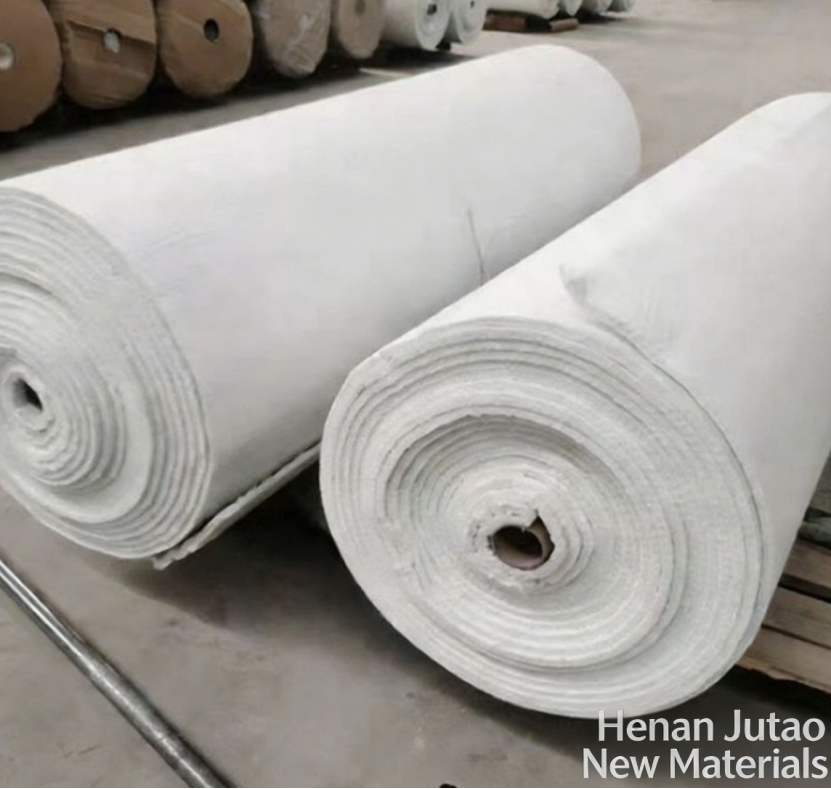
Insulation Material Selection: Why Aerogel Becomes a Lifesaver for High-Difficulty Projects
Traditionally, fiberglass, rock wool, and extruded polystyrene (XPS) are widely used for exterior wall insulation in California. However, the 2026 new regulations have stricter requirements on the overall U-value of wall assemblies. What does this mean? It means you can’t just look at the R-value of the insulation board itself; you also need to calculate the thermal bridge loss from wooden studs and steel studs. The heat loss from one steel stud is equivalent to wasting the insulation effect of R-5 to R-10.
Core Data
For a traditional 2×4 wooden stud wall filled with R-13 fiberglass insulation, the actual overall wall U-value is about 0.1. But if steel studs are used, with the same R-13 insulation, the U-value may drop to more than 0.2, which is directly non-compliant. This is where aerogel’s advantages come in—its thermal conductivity is only 1/3 to 1/5 that of traditional materials, allowing it to "wrap" thermal bridges with a high-performance insulation layer at the same thickness.
Real Industry
CaseLast year, for a high-rise apartment in San Francisco, the exterior wall was cast-in-place concrete with internal insulation. The architect wanted to minimize the loss of indoor space; traditional insulation would require 5 inches of thickness, which the owner refused. In the end, aerogel-based composite insulation boards were used, and 2.5 inches was enough to meet the standards, adding nearly 2 square meters of usable area per household. For developers, this is real money.
User Q&AQ: Aerogel is so expensive—can ordinary residential projects afford it? A: It depends on the situation. If the project is in a relatively cold climate zone (such as California Climate Zone 16), or if the wall thickness is limited and the steel structure ratio is high, using aerogel may actually save the total cost—because it can greatly reduce the trouble of thermal bridge treatment and edge sealing. We have calculated that in some complex nodes, using aerogel is 10%-15% cheaper than "traditional materials + thermal break components."
Cool Roofs and Continuous Insulation: Stop Focusing Only on the Roof—Walls Need Reflection TooMany people don’t know that Title 24 has clear requirements for "cool roofs"—low-slope roofs must have a 3-year aged solar reflectance of ≥0.63, thermal emittance of ≥0.75, or a solar reflectance index (SRI) of ≥75. But what about walls? Although the regulation does not mandate cool surfaces for walls, there is a concept called "continuous insulation"—the insulation layer must be unbroken, wrapping the entire building from the roof to the walls to the foundation.
Industry Data
According to data from the California Energy Commission (CEC), if the building envelope is discontinuous, air conditioning energy consumption may increase by more than 30%. Especially for projects with cool roofs but discontinuous exterior wall insulation, hot air can still seep in through the walls.
User Q&AQ: California’s climate is so warm—do exterior walls need thick insulation? A: It depends on which climate zone you’re in. California has 16 climate zones, with huge temperature differences from the coast to the desert. For example, Climate Zone 14 (Central Valley) can reach 40°C in summer and nearly 0°C in winter. R-13 is the minimum threshold, but many areas actually require R-21 or higher. Don’t assume "California is all warm"—check the regulation table for your project’s location before deciding.
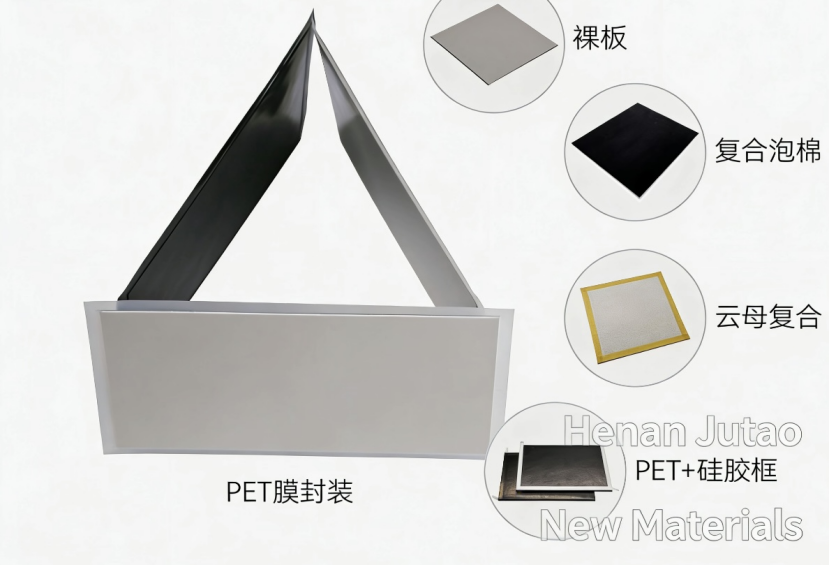
Construction and Verification: The Three Most Hated Mistakes by Plan Reviewers NowThe biggest change in the 2026 new regulations is not the numbers, but the enforcement. Plan reviewers are much stricter than before—they will look for contradictions in the drawings and ask you "which one is correct."The Three Most Common Reasons for Rejection
- Drawings do not match compliance documents—window U-values, insulation thickness, and HVAC models are the three key problem areas. Once, a client made a one-digit mistake in the window SHGC value, and the entire application package was sent back.
- Unaddressed thermal bridges—most common in steel structure projects. The design drawings show insulation, but steel beams pass directly through the wall without insulation wrapping, which is fully exposed in thermal imaging scans.
- Insulation materials without CRRC certification—Title 10-113 clearly requires that products used for compliant roofs and exterior walls must have a CRRC product label. Without this on the packaging, the materials will be directly rejected on-site.
User Q&AQ: I already got the permit—can I replace it with another brand of the same thickness during construction? A: Unless the new brand has equivalent or better performance parameters and you update the compliance documents, don’t replace it. Plan reviewers now compare "as-built drawings" with "permit application drawings"; if they don’t match, it will lead to re-review and may result in fines.
Practical Value of Aerogel in Exterior Wall Insulation: When Traditional Materials Are Powerless
After talking so much about regulations and requirements, let’s get practical—when should you consider aerogel?
Scenario 1: Renovation and Remodeling
If you don’t want to demolish the exterior walls of an old house and don’t want to lose indoor space with internal insulation, a thin layer of aerogel can maximize the R-value.
Scenario 2: Steel or Concrete Structures
Thermal bridges are severe; traditional materials require thick wrapping to meet standards. Aerogel can be directly attached, with a thin insulation layer and simple edge sealing.
Scenario 3: Special Nodes
Such as window casings, eaves, and pipe penetration points—these areas are difficult to make continuous with traditional materials. Aerogel is flexible and can be attached in a single roll.
Real Data
We renovated an office building in Sacramento; the original walls were metal panels with thin fiberglass insulation, and energy consumption was consistently high. By adding a 10mm aerogel board on the outside, the total thickness only increased by 1 centimeter, the overall wall U-value dropped from 0.18 to 0.09, and air conditioning electricity bills decreased by 22% that year. It paid for itself in three years, and all subsequent savings were profits.
User Q&AQ: Will aerogel absorb water and affect insulation when used in walls? A: Qualified aerogel products are hydrophobic—water rolls off like it does on lotus leaves. However, note that the biggest fear of any insulation system is not material water absorption, but poor sealing during construction that allows water vapor to enter and condense. So the key is the continuity of the vapor barrier, not just fearing material water absorption.
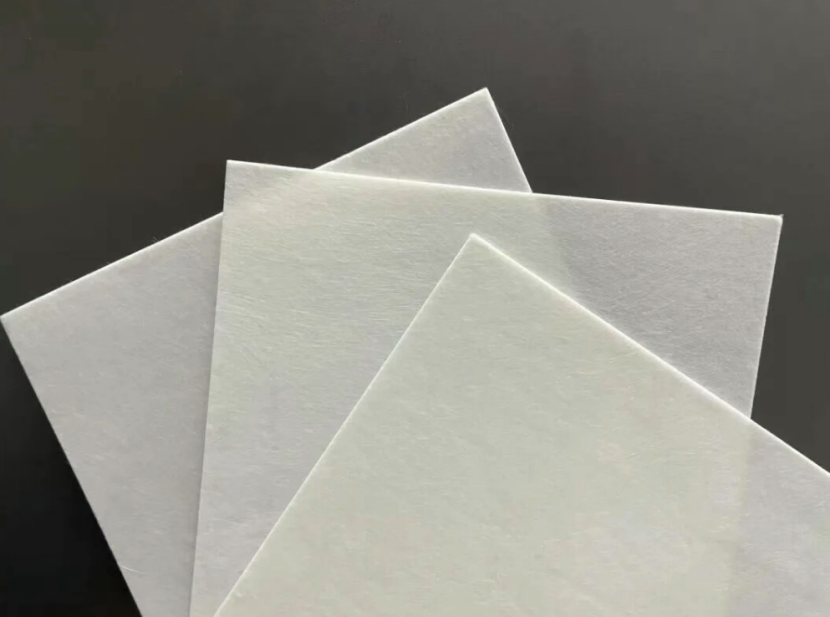
FAQ: The Three Most Concerned Questions by Purchasers and Builders
Question 1: We export aerogel insulation boards to California—what certifications do we need for the product to be accepted in projects?First, clarify where your product will be used. If it’s for roofs, it must meet the solar reflectance and thermal emittance requirements of CRRC certification. If it’s for exterior walls, the focus is on thermal performance and fire safety reports, but it’s best to have test data from a third-party laboratory recognized by CEC. In addition, the product packaging must have a clear performance label, which will be checked during on-site inspections.
Question 2: California has so many climate zones—how to quickly determine the required insulation thickness for clients?The simplest method is to ask the client: "Which county is your project in? Which climate zone?" Then check the CEC’s Residential Compliance Manual or Non-Residential Compliance Manual, which contains the wall U-value requirements for each climate zone. Then take this U-value and ask us to convert it into thickness. Never guess—if you guess wrong, the entire wall will need to be reworked.
Question 3: Aerogel is more expensive than traditional materials—how can wholesalers promote it to clients?Don’t just compare unit prices; compare "system costs" and "space value." Tell clients: using aerogel may allow the wall to be made 2 inches thinner—what does this mean for high-rise buildings? More usable area per floor. Or, how much labor can be saved in steel structure node treatment. We have calculated that in some complex projects, the total system cost of aerogel is actually lower. In addition, for projects pursuing LEED certification, the high performance of aerogel can help them earn more points.
Meta DescriptionHow to choose compliant exterior wall insulation after the implementation of California Energy Efficiency Title 24, 6th Edition in 2026? Combining the latest regulatory requirements and real project cases, this guide clarifies the application value of aerogel and other materials in thermal bridge treatment and continuous wall insulation. If you are a builder, wholesaler, or exporter and want to know what certifications your products need and how to help clients pass plan reviews, this guide provides practical answers.
Keywords: California Title 24 exterior wall insulation, aerogel building insulation, building envelope compliance, CRRC certified materials, continuous wall insulation, thermal bridge treatment solutions, California climate zone insulation selection
Media Contact
Company Name: HENAN JUTAO NEW MATERIAL CO., LTD
Email:Send Email
Country: China
Website: https://www.jutaoaerogel.com/