
1. Advanced Perception and Sensory Fineness
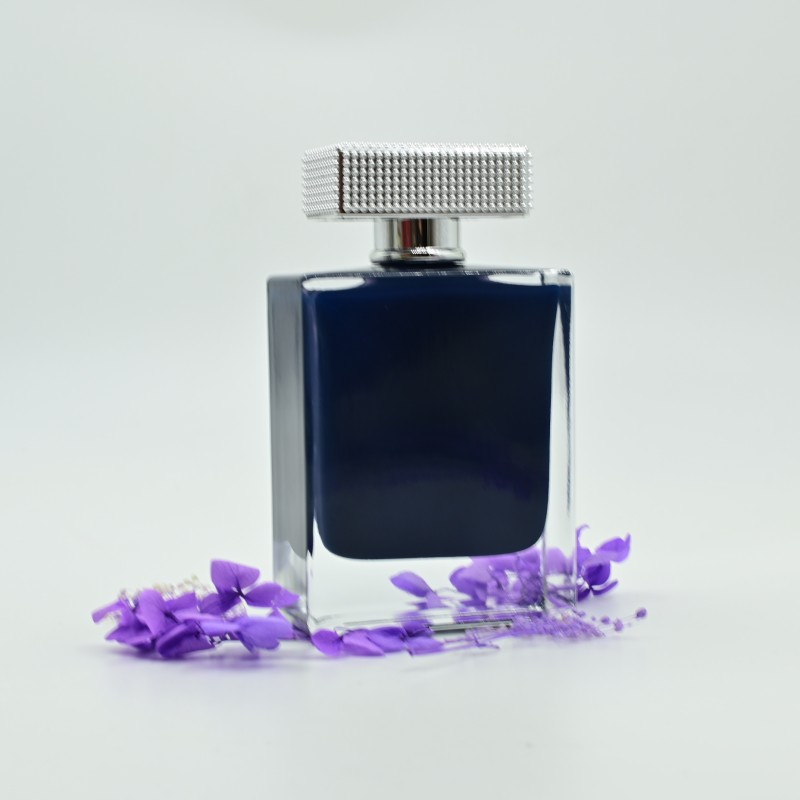
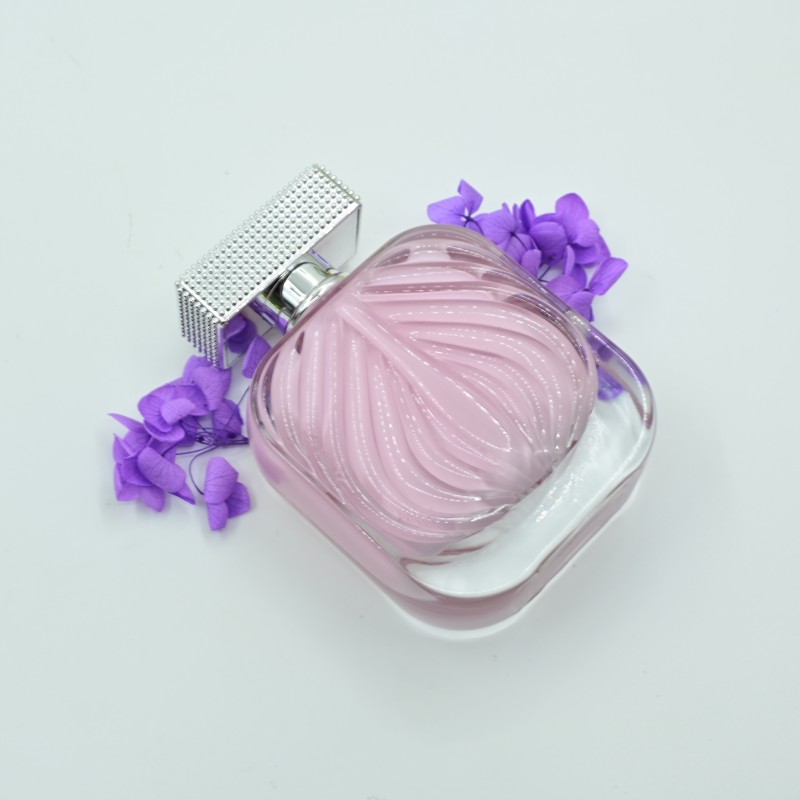
Glass fundamentally changes the perceived value of a product. Its heavy weight, cool touch, and crystal-clear appearance instantly convey qualities of luxury, quality, and purity upon contact. In the skincare sector, efficacy and high-quality ingredients are key factors, and glass jars or bottles suggest a formula worthy of protection. The inherent inertness of this material reinforces this message; it does not react with the product, allowing consumers to be assured that no chemical substances will seep into the essence or cream. This perceived purity is of utmost importance. Additionally, glass offers unparalleled aesthetic diversity. It can be shaped into elegant, minimalist forms, engraved with exquisite patterns, or dyed in rich, bright tones – from amber hues for protecting light-sensitive active ingredients like retinol, to a matte white that conveys a clinical cleanliness. This tactile and visual refinement elevates the daily ritual of skincare or makeup, transforming it into a self-care enjoyment moment, thereby justifying the higher price point and fostering brand loyalty.
2. Outstanding Preservation and Product Integrity
Apart from its aesthetic appeal, glass also offers remarkable practical advantages for product stability. It is an airtight barrier, meaning it does not undergo gas exchange. For formulations sensitive to oxygen (such as vitamin C, ferulic acid, or certain oils), this is crucial. Glass, especially when combined with air-free pumping technology or dark tones, can prevent oxidation, maintaining the stability, color, and texture of the product from production to the last drop. Unlike certain plastics, glass is airtight and does not absorb odors, colors, or ingredients over time. This ensures that the fragrance of perfumes or the delicate scent of lotions do not change. For brands that invest heavily in stable and effective formulations, glass is the most reliable guardian of this investment, directly influencing customer satisfaction and repeat purchase rates.
3. Sustainability Pioneer: Circular Economy and Consumer Values
The modern resurgence of glass, perhaps driven by the global shift towards sustainability, is evident. Consumers, especially in the beauty sector, are increasingly making purchasing decisions based on environmental impact. In this regard, glass has significant advantages: it is 100% recyclable and can be recycled infinitely without losing quality. A glass bottle can be endlessly recycled into new glass containers, supporting a circular economy model that reduces raw material extraction and waste. Although the energy consumption during glass manufacturing and recycling is a factor to consider, its infinite recyclability contrasts sharply with the limitations of plastic recycling, which often results in low-quality material output. Moreover, glass is typically made from abundant natural materials – sand, soda ash, and limestone. For environmentally conscious brands, using post-consumer recycled (PCR) glass further reduces environmental impact and tells an eye-catching green story. This alignment with the health value of the Earth serves as a powerful marketing tool, deeply appealing to an increasing number of groups that consider sustainable development as an unshakable principle.
4. Brand Storytelling and Tradition
Glass carries the connotations of tradition, pharmacy tradition, and authenticity.
It evokes associations with classic perfume bottles, ancient medicine bottles, and scientific beakers – these associations represent trust, expertise, and permanence.
Brands that aim to convey nature, “purity”, or a scientific positioning find an ideal partner with the help of glass.
Glass can narrate transparency (both actual and symbolic), exquisite craftsmanship, and lasting quality.
In a market filled with fleeting trends, glass packaging implies a thoughtful, long-lasting, and heirloom-worthy high-quality product.
This narrative ability also extends to the opening experience and shelf display, where glass products stand out with a steady authority among the plastic competitors.
5. Innovation and Multi-functionality
The industry addresses the historical flaws of glass, such as weight and fragility, through innovation.
Lightweight technologies have produced stronger, thinner glass bottles, reducing emissions and costs during transportation.
Advances in coating technology have made glass more scratch-resistant and less susceptible to minor impacts.
In addition, the development of high-quality, recyclable airless pumps and dispensers, specifically designed for glass containers, solves the problems of packaging thick liquids or sterile equipment, combining the superior preservation characteristics of glass with modern functional conveying systems.
Conclusion
In today’s beauty industry, glass packaging is not a relic from the past; rather, it is a wise choice for the future.
It successfully combines tradition with modernity, luxury with responsibility.
Its unparalleled ability to showcase high-quality products, ensure product integrity, comply with the principles of circular economy, and serve as a platform for brand identity, gives it a unique and powerful influence.
For cosmetic and skincare brands that target discerning consumers who value values, glass is not just a container;
It is also a silent spokesperson, fully embodying the brand’s commitment to quality, efficacy, and environmental responsibility.
As the industry moves towards higher transparency and sustainability, the inherent advantages of glass ensure its presence on makeup counters around the world.
Media Contact
Company Name: Ningbo Lemuel Packaging
Email:Send Email
Country: China
Website: https://www.lemuelpackaging.com/