Wednesday, April 1, 2026

Glioma Clinical Trial Pipeline Appears Robust With 180+ Key Pharma Companies Actively Working in the Domain | DelveInsight

Glioma Clinical Trial Pipeline Appears Robust With 180+ Key Pharma Companies Actively Working in the Domain | DelveInsight

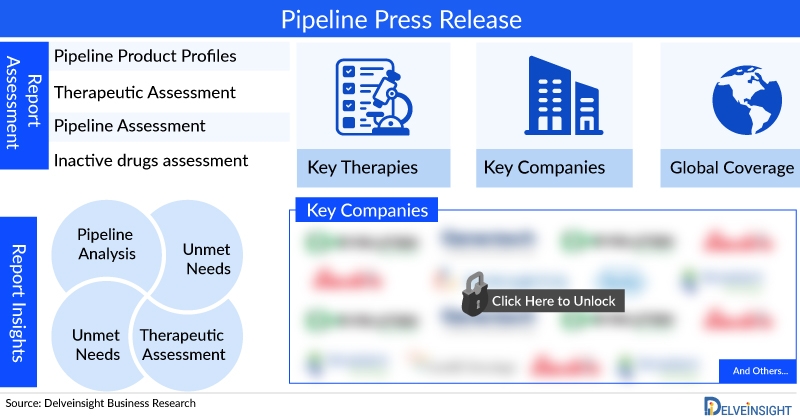
DelveInsight’s “Glioma Pipeline Insight, 2026” report provides comprehensive insights about 180+ companies and 200+ pipeline drugs in the glioma pipeline landscape. It covers the Glioma pipeline drug profiles, including clinical and nonclinical stage products. It also covers the Glioma therapeutics assessment by product type, stage, route of administration, and molecule type. It further highlights the inactive pipeline products in this space.

Discover the latest drugs and treatment options in the Glioma Pipeline @ https://www.delveinsight.com/sample-request/glioma-pipeline-insight

Key Takeaways from the Glioma Pipeline Report

  • On March 27, 2026- Nationwide Children's Hospital conducted a phase 2 study is to determine the efficacy of the 1) ribociclib and everolimus to treat pediatric and young adult patients newly diagnosed with a high-grade glioma (HGG), including DIPG, that have genetic changes in pathways (cell cycle, PI3K/mTOR) that these drugs target or 2) ribociclib and temozolomide to treat pediatric and young adult patients newly diagnosed with diffuse hemispheric glioma (DHG), H3G34-mutant.
  • On March 24, 2026- Eli Lilly and Company initiated a study is to measure the benefit of adding abemaciclib to the chemotherapy, temozolomide, for newly diagnosed high-grade glioma following radiotherapy. Your participation could last approximately 11 months and possibly longer depending upon how you and your tumor respond.
  • On March 23, 2026- St. Jude Children's Research Hospital initiated a clinical trial will have 2 cohorts: Cohort 1: patients diagnosed with NTRK1/2/3- or ROS1-fused high-grade glioma (HGG) and Cohort 2: patients diagnosed with NTRK1/2/3- or ROS1-fused CNS tumors other than HGG.
  • On March 20, 2026- Daiichi Sankyo Co., Ltd. announced a Phase 2 study is conducted to assess the efficacy and safety of DS-1001b in patients with chemotherapy- and radiotherapy-naive IDH1 mutated WHO grade II glioma.
  • On March 05, 2026- Nuvation Bio Inc. initiated a phase 3 study is to evaluate the efficacy, safety, and pharmacokinetic (PK) characteristics of safusidenib in participants with recurrent/progressive IDH1-mutant World Health Organization (WHO) Grade 2 or Grade 3 glioma.
  • DelveInsight’s Glioma pipeline report depicts a robust space with 180+ active players working to develop 200+ pipeline therapies for Glioma treatment.
  • The leading Glioma Companies such as CellabMED, Oblato, BioMed Valley Discoveries, PharmAbcine, I-Mab Biopharma, Chimerix, Medicenna Therapeutics, Daiichi Sankyo, Eli Lilly and Company, Candel Therapeutics, AstraZeneca, Aveta Biomics, Angiochem, Arog Pharmaceuticals, Boehringer Ingelheim, BioMimetix, Bexion Pharmaceuticals, CANbridge Life Sciences, Crimson Biopharma, Epitopoietic Research Corporation, Stemgen, and others.
  • Promising Glioma Pipeline Therapies such as DS-1001b, Nimotuzumab, Radiotherapy, AP23573, BLZ-100, LY2157299, Temozolomide, Safusidenib, ONC201, PLB1001, YYB-103, and others.

Get insights into clinical trials, emerging therapies, and leading companies with DelveInsight @ Glioma Treatment Drugs

The Glioma Pipeline Report provides a disease overview, pipeline scenario, and therapeutic assessment of the key pipeline therapies in this domain. The Glioma Pipeline Report also highlights the unmet needs with respect to the Glioma.

Glioma Overview

Glioma is a type of tumor that occurs in the glial cells of the brain or spine, which are supportive cells in the nervous system. These tumors are categorized based on the specific type of glial cell they originate from, such as astrocytes, oligodendrocytes, or ependymal cells. Gliomas can vary significantly in their aggressiveness, ranging from low-grade (slow-growing) to high-grade (fast-growing and more malignant) forms. Glioma is the most common form of central nervous system (CNS) neoplasm that originates from glial cells.

Glioma Emerging Drugs Profile

  • AV-GBM-1: Aivita Biomedical, Inc.

AV-GBM-1 is an innovative immunotherapy developed by AIVITA Biomedical, Inc., specifically targeting glioblastoma (GBM), one of the most aggressive forms of brain cancer. This treatment utilizes autologous dendritic cells that are loaded with autologous tumor neoantigens derived from tumor-initiating cells. The therapy is administered through a series of subcutaneous injections and aims to enhance the immune response against the patient's unique cancer profile. Currently, the drug is in phase III stage of its clinical trial for the treatment of Glioma.

  • DB 107: Denovo BioPharma

Denovo BioPharma's DB107 is an investigational gene therapy designed to treat high-grade gliomas, including glioblastoma (GBM), a particularly aggressive form of brain cancer. The therapy utilizes a novel biomarker-guided approach, leveraging the Denovo Genomic Marker 7 (DGM7) to identify patients who are likely to benefit from the treatment. Currently, the drug is in phase II stage of its clinical trial for the treatment of Glioma.

  • MDNA55: Medicenna Therapeutics, Inc.

MDNA55 is a therapeutic for recurrent glioblastoma multiforme (rGBM), a uniformly fatal form of brain cancer. By using a highly specific IL-4 Superkine as the vehicle to deliver a potent bacterial toxin to the tumor cells, MDNA55 has the potential to purge bulk tumors and disrupt their supporting networks, while reactivating the immune system to tackle cancer. MDNA55 is designed to be a molecular trojan horse. It is a genetic fusion of two molecules: a circularly permuted IL-4 Superkine and the catalytic domain of the pseudomonas exotoxin A. Genetic fusion allows MDNA55 to harness the selectivity of the Superkine for cancers that overexpress the target IL-4 receptor (IL-4R) and deliver the cell-killing toxin directly into the tumor, its microenvironment and cancer stem cells. Since the IL-4 receptor is not found in a healthy brain and the exotoxin is only active in the cancer cell cytoplasm, this helps ensure that healthy cells are unaffected. When MDNA55 binds the target IL-4R, it is swallowed inside the tumor cell through a process called endocytosis. Once inside the tumor, proteases cleave the drug and activate the catalytic domain of the exotoxin to begin the process of apoptosis (cell death) involving a protein called elongation factor-2. Currently, the drug is in phase II stage of its clinical trial for the treatment of Glioma.

  • Abemaciclib: Eli Lilly and Company

Abemaciclib is an antitumor agent and dual inhibitor of cyclin-dependent kinases 4 (CDK4) and 6 (CDK6) that are involved in the cell cycle and promotion of cancer cell growth in case of unregulated activity. It is either given alone in patients who has undergone endocrine therapy and chemotherapy after the metastasis of cancer, or in combination with Fulvestrant. Following oral treatment in patients with HR-positive, HER2-negative breast cancer, abemaciclib demonstrated increased progression-free survival rates and objective response rates. Abemaciclib has been used in trials studying the treatment of melanoma, lymphoma, neoplasm, solid tumor, and glioblastoma.

  • NMS-03305293: Nerviano Medical Sciences

NMS-293 is a second generation PARP inhibitor that differentiates from other approved or advanced molecules in its unique selectivity for PARP1 vs. PARP2 enzymes and low DNA trapping activity, both features potentially linked to lower hematological toxicity and higher potential for combination with DNA damaging agents in a wide range of tumors, covering high unmet medical needs. It also has a superior ability to penetrate the blood-brain barrier, a very important feature supporting its utilization in CNS tumors and brain metastases. The drug has shown high anti-tumor activity as single agent in BRCA mutated preclinical tumor models and synergy and tolerability in combination with chemotherapy. Based on the findings, NMS-293 is currently in clinical developmental Phase II in combination with temozolomide in recurrent glioblastoma.

  • CAN-3110: Candel Therapeutics

CAN-3110 is a first-in-class, replication-competent herpes simplex virus-1 (HSV-1) oncolytic viral immunotherapy candidate designed with dual activity for oncolysis and immune activation in a single therapeutic. Its activity is designed to be conditional to the expression of Nestin in cancer cells. CAN-3110 is being evaluated in a phase I investigator-sponsored clinical trial in patients with recurrent HGG. Currently, the drug is in Phase I stage of its clinical trial for the treatment of Glioma.

  • MB-101: Mustang Bio

MB-101 is an IL13Rα2-targeted CAR T cell therapy developed by Mustang Bio, aimed at treating recurrent glioblastoma (GBM) and high-grade gliomas. Currently, the drug is in Phase I stage of clinical trial for the treatment of Glioma.

Explore groundbreaking therapies and clinical trials in the Glioma Pipeline @ New Glioma Drugs

The Glioma Pipeline Report Provides Insights into

  • The report provides detailed insights about companies that are developing therapies for the treatment of Glioma with aggregate therapies developed by each company for the same.
  • It accesses the Different therapeutic candidates segmented into early-stage, mid-stage, and late-stage of development for Glioma Treatment.
  • Glioma Companies are involved in targeted therapeutics development with respective active and inactive (dormant or discontinued) projects.
  • Glioma Drugs under development based on the stage of development, route of administration, target receptor, monotherapy or combination therapy, a different mechanism of action, and molecular type.
  • Detailed analysis of collaborations (company-company collaborations and company-academia collaborations), licensing agreement and financing details for future advancement of the Glioma market

Glioma Companies

CellabMED, Oblato, BioMed Valley Discoveries, PharmAbcine, I-Mab Biopharma, Chimerix, Medicenna Therapeutics, Daiichi Sankyo, Eli Lilly and Company, Candel Therapeutics, AstraZeneca, Aveta Biomics, Angiochem, Arog Pharmaceuticals, Boehringer Ingelheim, BioMimetix, Bexion Pharmaceuticals, CANbridge Life Sciences, Crimson Biopharma, Epitopoietic Research Corporation, Stemgen and others.

Glioma Pipeline report provides the therapeutic assessment of the pipeline drugs by the Route of Administration. Products have been categorized under various ROAs such as

  • Intra-articular
  • Intraocular
  • Intrathecal
  • Intravenous
  • Oral
  • Parenteral
  • Subcutaneous
  • Topical
  • Transdermal

Glioma Products have been categorized under various Molecule types, such as

  • Oligonucleotide
  • Peptide
  • Small molecule

Learn about new drugs, pipeline developments, and key companies with DelveInsight's expert analysis @ Glioma Market Drivers and Barriers

Scope of the Glioma Pipeline Report

  • Coverage- Global
  • Glioma Companies- CellabMED, Oblato, BioMed Valley Discoveries, PharmAbcine, I-Mab Biopharma, Chimerix, Medicenna Therapeutics, Daiichi Sankyo, Eli Lilly and Company, Candel Therapeutics, AstraZeneca, Aveta Biomics, Angiochem, Arog Pharmaceuticals, Boehringer Ingelheim, BioMimetix, Bexion Pharmaceuticals, CANbridge Life Sciences, Crimson Biopharma, Epitopoietic Research Corporation, Stemgen and others.
  • Glioma Pipeline Therapies- DS-1001b, Nimotuzumab, Radiotherapy, AP23573, BLZ-100, LY2157299, Temozolomide, Safusidenib, ONC201, PLB1001, YYB-103, and others.
  • Glioma Therapeutic Assessment by Product Type: Mono, Combination, Mono/Combination
  • Glioma Therapeutic Assessment by Clinical Stages: Discovery, Pre-clinical, Phase I, Phase II, Phase III

Download DelveInsight's in-depth pipeline report today! @ Glioma Companies, Key Products and Unmet Needs

Table of Contents

  1. Introduction
  2. Executive Summary
  3. Glioma Disease: Overview
  4. Pipeline Therapeutics
  5. Therapeutic Assessment
  6. Glioma Disease– DelveInsight’s Analytical Perspective
  7. Late Stage Products (Phase III)
  8. AV-GBM-1: Aivita Biomedical, Inc.
  9. Drug profiles in the detailed report…..
  10. Mid Stage Products (Phase II)
  11. DB 107: Denovo BioPharma
  12. Drug profiles in the detailed report…..
  13. Early Stage Products (Phase I)
  14. MB-101: Mustang Bio
  15. Preclinical Stage Products
  16. Drug Name: Company Name
  17. Drug profiles in the detailed report…..
  18. Inactive Products
  19. Glioma Disease Key Companies
  20. Glioma Disease Key Products
  21. Glioma Disease- Unmet Needs
  22. Glioma Disease- Market Drivers and Barriers
  23. Glioma Disease- Future Perspectives and Conclusion
  24. Glioma Disease Analyst Views
  25. Glioma Disease Key Companies
  26. Appendix

About Us

DelveInsight is a leading healthcare-focused market research and consulting firm that provides clients with high-quality market intelligence and analysis to support informed business decisions. With a team of experienced industry experts and a deep understanding of the life sciences and healthcare sectors, we offer customized research solutions and insights to clients across the globe. Connect with us to get high-quality, accurate, and real-time intelligence to stay ahead of the growth curve.

Media Contact
Company Name: DelveInsight Business Research LLP
Contact Person: Yash Bhardwaj
Email:Send Email
Phone: 09650213330
Address:304 S. Jones Blvd #2432
City: Las Vegas
State: Nevada
Country: United States
Website: https://www.delveinsight.com/report-store/glioma-pipeline-insight

Alzheimer’s Disease Clinical Trial Pipeline Shows Potential with Active Contributions from 200+ Key Companies | DelveInsight

Alzheimer’s Disease Clinical Trial Pipeline Shows Potential with Active Contributions from 200+ Key Companies | DelveInsight

DelveInsight’s, “Alzheimer’s disease Pipeline Insight, 2026” report provides comprehensive insights about 200+ companies and 220+ pipeline drugs in Alzheimer’s disease pipeline landscape. It covers the Alzheimer’s Disease pipeline drug profiles, including clinical and nonclinical stage products. It also covers the Alzheimer’s Disease pipeline therapeutics assessment by product type, stage, route of administration, and molecule type. It further highlights the inactive pipeline products in this space.

Download DelveInsight’s comprehensive Alzheimer’s Disease Pipeline Report @ Alzheimer’s Disease Pipeline Outlook Report

Key Takeaways from the Alzheimer’s Disease Pipeline Report

  • On March 31, 2026- Bristol-Myers Squibb announced a phase 3 study is to evaluate the efficacy and safety of KarXT + KarX-EC for cognitive impairment in Alzheimer's Disease.
  • On March 23, 2026- Novartis Pharmaceuticals conducted a Phase II study to evaluate the efficacy and safety of VHB937 in participants with early AD followed by an Extension. The double-blind part is 72 weeks long, followed by an extension.
  • On March 18, 2026- Hoffmann-La Roche initiated a phase Ib/IIa study is to evaluate the safety, tolerability, immunogenicity, pharmacokinetics, and pharmacodynamics of multiple-ascending intravenous (IV) doses of RO7126209 in participants with prodromal or mild to moderate Alzheimer's disease (AD), who are amyloid positive based on amyloid positron emission tomography (PET) scan.
  • On March 16, 2026- Annovis Bio Inc. conducted a clinical trial is to learn if buntanetap/Posiphen works to treat early Alzheimer's disease in adults aged 55-85. It will also learn about the safety of buntanetap/Posiphen.
  • DelveInsight’s Alzheimer’s Disease pipeline report depicts a robust space with 200+ active players working to develop 220+ pipeline therapies for Alzheimer’s Disease treatment.
  • The leading Alzheimer’s Disease Companies such as Anavex Life Sciences Corp., TauRx Therapeutics Ltd, BioVie Inc., AriBio Co., Ltd., Novo Nordisk A/S, AgeneBio, Neurim Pharmaceuticals, Eisai Inc., T3D Therapeutics, Merck Sharp & Dohme, Shanghai Hengrui Pharmaceutical, NeuroSense Therapeutics, Pharmazz, Johnson & Johnson Innovative Medicine, NKGen Biotech, LEXEO Therapeutics, Inventage Lab, Neumora Therapeutics, Takeda, Perha Pharmaceuticals, Luye Pharma Group Ltd., Eli Lilly and Company, Prothena, Therabest Korea, Neurotez, TRIMTECH Therapeutics, Lexeo Therapeutics and others.
  • Promising Alzheimer’s Disease Pipeline Therapies such as Memantine, ORM-12741, GSK239512, Rivastigmine transdermal patch, SB-742457 35mg, Dimebon, VI-1121, Donepezil, PF-04447943, BPN14770, Donepezil hydrochloride and others.

Access DelveInsight’s in-depth Pipeline Analysis for a closer look at promising breakthroughs @ Alzheimer’s Disease Clinical Trials and Studies

Alzheimer’s disease Overview

Alzheimer’s disease (AD) is a progressive neurodegenerative disorder that primarily affects memory, cognition, and behavior. It is the most common cause of dementia, accounting for 60–80% of cases worldwide. AD is characterized by gradual neuronal loss, particularly in the hippocampus and cerebral cortex, leading to cognitive decline and impaired daily functioning. Although aging is the most significant risk factor, genetic predisposition (such as APOE4 mutations), lifestyle factors, and cardiovascular health also contribute to its development.

Alzheimer’s Disease Emerging Drugs Profile

  • AR1001: AriBio Co., Ltd.

AR1001 is a PDE5 inhibitor being developed as an investigational oral agent for the treatment of Alzheimer’s disease. Pre-clinical studies have confirmed neuroprotective effects of AR1001 via inhibiting neuron apoptosis and restoring synaptic plasticity, demonstrating multiple mechanisms of action for disease modifying effects that may ameliorate the course of AD. AR1001 has also demonstrated robust reduction of Hyperphosphorylated Tau proteins in pre-clinical models as well as in a Phase II trial. It is being developed by the South Korean biopharmaceutical company, Aribio Co. AR1001 is 10-fold more potent at inhibiting PDE5 relative to sildenafil, and has superior BBB penetrance. Currently, the drug is in the Phase III stage of its development for the treatment of Alzheimer's disease.

  • AGB101: AgeneBio

AGB101 is a proprietary extended-release formulation of Levetiracetam, an FDA-approved anti-epileptic. AGB101 is being evaluated for Mild Cognitive Impairment (MCI) due to Alzheimer's Disease (AD) as a once-daily dose that is given to patients at approximately one-twelfth of the dose most commonly prescribed for epilepsy. AGB101 is being investigated for the treatment of hippocampal overactivity and to assess its ability to control progression to Alzheimer’s dementia. AGB101’s mechanism of action is inhibition of the synaptic protein SV2A. The rationale for AGB101’s use in MCI stems from suggestions that tamping down hippocampal neuron hyperactivity in people in the early stages of AD dementia may prevent the spread of tau pathology and disease progression. Currently, the drug is in the Phase II/III stage of its development for the treatment of Alzheimer's Disease.

  • AMX0035: Amylyx Pharmaceuticals Inc

AMX0035 is an investigational, oral, fixed-dose combination of sodium Phenylbutyrate (PB) and Taurursodiol (TURSO). This combination therapy is designed to reduce neuronal death through two mechanisms: sodium phenylbutyrate decreases Endoplasmic Reticulum (ER) stress (by upregulating the master chaperone regulator DJ-1) and TUDCA mitigates mitochondrial dysfunction (by incorporating into the mitochondrial membrane and increasing apoptotic threshold). AMX0035 is designed to slow or mitigate neurodegeneration by targeting endoplasmic reticulum (ER) stress and mitochondrial dysfunction, two connected central pathways that lead to cell death and neurodegeneration. Preclinical studies have provided evidence that AMX0035 may reduce cell death and improve cellular function, also supporting the synergistic effect of AMX0035 compared to individual compounds. . Currently, the drug is in the Phase II stage of its development for the treatment of Alzheimer’s disease.

  • IVL3003: Inventage Lab., Inc.

IVL3003 is an investigational therapeutic candidate being developed for the treatment of Alzheimer’s disease (AD). It is designed to target key pathological processes associated with AD, potentially offering neuroprotective and disease-modifying effects. While the exact mechanism of action (MoA) has not been publicly disclosed, IVL3003 is part of a new wave of innovative approaches aiming to address unmet needs in neurodegenerative disorders. The compound is currently in early-stage clinical development. Its progression highlights continued efforts to develop effective therapies for cognitive decline and neurodegeneration in AD. Currently, the drug is in the Phase I/II stage of its development for the treatment of Alzheimer's disease (AD).

  • BHV-8000: Biohaven Pharmaceuticals

BHV-8000 is a first-in-class, oral, brain-penetrant, dual TYK2/JAK1 selective inhibitor. The TYK2 and JAK1 signal transduction pathways mediate highly complementary immune and inflammatory signalling events. Dual inhibition of TYK2 and JAK1 can effectively block Th17 cell generation, Type I IFN signaling, and inflammation. By reducing the inflammatory impacts of microglia, astrocytes, and infiltrating T-lymphocytes, BHV-8000 breaks the cycle of neuroinflammation. The drug is currently in Phase I stage of clinical trial evaluation for the treatment of Alzheimer's disease.

The Alzheimer’s Disease Pipeline report provides insights into

  • The report provides detailed insights about companies that are developing therapies for the treatment of Alzheimer’s Disease with aggregate therapies developed by each company for the same.
  • It accesses the Different therapeutic candidates segmented into early-stage, mid-stage, and late-stage of development for Alzheimer’s Disease Treatment.
  • Alzheimer’s Disease Companies are involved in targeted therapeutics development with respective active and inactive (dormant or discontinued) projects.
  • Alzheimer’s Disease Drugs under development based on the stage of development, route of administration, target receptor, monotherapy or combination therapy, a different mechanism of action, and molecular type.
  • Detailed analysis of collaborations (company-company collaborations and company-academia collaborations), licensing agreement and financing details for future advancement of the Alzheimer’s Disease market.

Get a detailed analysis of the latest innovations in the Alzheimer’s Disease Pipeline @ Alzheimer’s Disease Unmet Needs

Alzheimer’s Disease Companies

Anavex Life Sciences Corp., TauRx Therapeutics Ltd, BioVie Inc., AriBio Co., Ltd., Novo Nordisk A/S, AgeneBio, Neurim Pharmaceuticals, Eisai Inc., T3D Therapeutics, Merck Sharp & Dohme, Shanghai Hengrui Pharmaceutical, NeuroSense Therapeutics, Pharmazz, Johnson & Johnson Innovative Medicine, NKGen Biotech, LEXEO Therapeutics, Inventage Lab, Neumora Therapeutics, Takeda, Perha Pharmaceuticals, Luye Pharma Group Ltd., Eli Lilly and Company, Prothena, Therabest Korea, Neurotez, TRIMTECH Therapeutics, Lexeo Therapeutics and others.

Alzheimer’s disease pipeline report provides the therapeutic assessment of the pipeline drugs by the Route of Administration. Products have been categorized under various ROAs such as

  • Intravenous
  • Subcutaneous
  • Oral
  • Intramuscular

Alzheimer’s Disease Products have been categorized under various Molecule types such as

  • Monoclonal antibody
  • Small molecule
  • Peptide

Download DelveInsight’s latest report to gain strategic insights into upcoming therapies @ Alzheimer’s Disease Market Drivers and Barriers, and Future Perspectives

Scope of the Alzheimer’s Disease Pipeline Report

  • Coverage- Global
  • Alzheimer’s Disease Companies- Anavex Life Sciences Corp., TauRx Therapeutics Ltd, BioVie Inc., AriBio Co., Ltd., Novo Nordisk A/S, AgeneBio, Neurim Pharmaceuticals, Eisai Inc., T3D Therapeutics, Merck Sharp & Dohme, Shanghai Hengrui Pharmaceutical, NeuroSense Therapeutics, Pharmazz, Johnson & Johnson Innovative Medicine, NKGen Biotech, LEXEO Therapeutics, Inventage Lab, Neumora Therapeutics, Takeda, Perha Pharmaceuticals, Luye Pharma Group Ltd., Eli Lilly and Company, Prothena, Therabest Korea, Neurotez, TRIMTECH Therapeutics, Lexeo Therapeutics and others.
  • Alzheimer’s Disease Pipeline Therapies- Memantine, ORM-12741, GSK239512, Rivastigmine transdermal patch, SB-742457 35mg, Dimebon, VI-1121, Donepezil, PF-04447943, BPN14770, Donepezil hydrochloride and others.
  • Alzheimer’s Disease Therapeutic Assessment by Product Type: Mono, Combination, Mono/Combination
  • Alzheimer’s Disease Therapeutic Assessment by Clinical Stages: Discovery, Pre-clinical, Phase I, Phase II, Phase III

Which companies are leading the race in Alzheimer’s Disease drug development? @ Alzheimer’s Disease Emerging Drugs and Major Companies

Table of Contents

  1. Introduction
  2. Executive Summary
  3. Alzheimer’s disease: Overview
  4. Pipeline Therapeutics
  5. Therapeutic Assessment
  6. Alzheimer’s disease– DelveInsight’s Analytical Perspective
  7. Late Stage Products (Phase III)
  8. AR1001: AriBio Co., Ltd.
  9. Mid Stage Products (Phase II/III)
  10. AGB101: AgeneBio
  11. Early Stage Products (Phase I/II)
  12. IVL3003: Inventage Lab., Inc.
  13. Preclinical and Discovery Stage Products
  14. Drug Name: Company Name
  15. Inactive Products
  16. Alzheimer’s disease Key Companies
  17. Alzheimer’s disease Key Products
  18. Alzheimer’s disease- Unmet Needs
  19. Alzheimer’s disease- Market Drivers and Barriers
  20. Alzheimer’s disease- Future Perspectives and Conclusion
  21. Alzheimer’s disease Analyst Views
  22. Alzheimer’s disease Key Companies
  23. Appendix

About Us

DelveInsight is a leading healthcare-focused market research and consulting firm that provides clients with high-quality market intelligence and analysis to support informed business decisions. With a team of experienced industry experts and a deep understanding of the life sciences and healthcare sectors, we offer customized research solutions and insights to clients across the globe. Connect with us to get high-quality, accurate, and real-time intelligence to stay ahead of the growth curve.

Media Contact
Company Name: DelveInsight Business Research LLP
Contact Person: Yash Bhardwaj
Email:Send Email
Phone: 09650213330
Address:304 S. Jones Blvd #2432
City: Las Vegas
State: Nevada
Country: United States
Website: https://www.delveinsight.com/report-store/alzheimers-disease-ad-pipeline-insight

How Businesses Can Avoid Losing Critical Data in Cloud Productivity Suites

Most IT directors assume that their productivity suite in the cloud is automatically protected. And why not? Google Apps and Microsoft 365 promise us availability, redundancy, and reliability. Reliability is not the same as recoverability. And this is something that is causing organizations more than they realize.

As organizations increasingly rely on their productivity suite in the cloud for collaboration, communication, and storage, the risk of data loss has quietly escalated alongside.

What's Actually Causing Cloud Data Loss?

Human error is still the leading cause of data loss in cloud environments. Files are permanently deleted, folders are overwritten, and shared drives are reorganized beyond recognition. And then there is the matter of malicious deletion. Whether done by a disgruntled employee or a hacker, this is a significant risk from within.

Sync problems are another data loss risk. Files get corrupted and synced across your environment. And by the time someone finds out something is wrong, the good copy might already have synced away.

Understanding the Shared Responsibility Model

Google and Microsoft are responsible for their infrastructure availability and their platforms' availability. And that is about it. Beyond that, they are not responsible. They are not responsible for your data security or data recoverability.

This is something that is clearly stated in their terms of service. However, this is something that is not well understood by organizations. Most organizations operate on the assumption that redundancy in their cloud environment equates to backup. It does not. Redundancy equates to hardware failure. Not accidental deletion. Not ransomware. Not insider threats.

Prevention Starts with Access Control and Training

Role-based permissions provide strong access controls. This way, employees can only access information that is relevant to their role. In the event of a failure or breach, the blast radius will be reduced. Additionally, multifactor authentication reduces the risk of unauthorized access when used in conjunction with permissions.

Employee training cannot be overlooked. It plays a critical role in prevention. Employees should be trained to recognize what permanent deletion means in the cloud. They should also understand sync behavior and what to do in case something goes wrong. Data handling policies will reduce the chances of costly blunders.

Why Native Features Aren’t Enough

Google Workspace and Microsoft 365 have native features like version history and recycle bin. They provide some functionality in the event of accidental deletion. However, native features have limitations and do not provide adequate protection. They cannot provide the granular and precise recovery needed. For organizations that deal in critical information, native features will not suffice.

A Google Workspace backup and recovery tool provides IT administrators the power they need to take control. It includes automated backups, precise points for recovery, and the capacity to recover specific files, users, or drives without relying on service provider timelines.

Building Data Resilience into Your Operations

Cloud-based data protection cannot be configured and forgotten. It calls for a deliberate process. For CISOs and IT administrators, the task ahead is clear: to ensure that no single action, accidental or intentional, can result in unrecoverable data loss. It may not be easy, but it is doable. It calls for backup and recovery to be built into the system!

Media Contact
Company Name: spin ai
Email:Send Email
Country: United States
Website: https://spin.ai/

Pharmaceutical Filtration Market to Reach $21.75 Billion by 2030

Pharmaceutical Filtration Market to Reach $21.75 Billion by 2030
Pharmaceutical Filtration Market by Product (Membrane filter, Depth filter, Virus filter, Air Filter, Assemblies, Systems (Single-use)), Technique (Ultrafiltration), Type (Sterile), Application (API, Protein), Scale, End User - Global Forecast to 2030

According to MarketsandMarkets™, the latest report, “ Pharmaceutical Filtration Market by Product (Membrane Filter, Depth Filter, Virus Filter, Air Filter, Assemblies, Systems (Single-use)), Technique (Ultrafiltration), Type (Sterile), Application (API, Protein), Scale, End User – Global Forecast to 2030,” the market is projected to grow from USD 14.35 billion in 2025 to USD 21.75 billion by 2030, registering a CAGR of 8.7%.

Download PDF Brochure: https://www.marketsandmarkets.com/pdfdownloadNew.asp?id=209343847

Browse

  • 408 Market Data Tables
  • 53 Figures
  • 319 Pages and in-depth TOC on " Pharmaceutical Filtration Market - Global Forecast to 2030”.


What is driving this sustained market expansion, and why is it critical now?

The pharmaceutical filtration market is experiencing robust growth due to the increasing adoption of continuous manufacturing processes and the rising demand for sterile, high-concentration drug products. As biologics, vaccines, and complex therapeutics gain prominence, filtration technologies play a vital role in ensuring product safety, quality, and regulatory compliance.

How are filtration techniques shaping manufacturing efficiency?

Among various techniques, microfiltration accounted for the largest market share in 2024 and is expected to maintain its leadership throughout the forecast period. This dominance stems from its essential role in both upstream and downstream bioprocessing, including fluid clarification, removal of cell debris, and purification of cell broths. Its ability to efficiently separate microorganisms and suspended solids without compromising biomolecule integrity makes it a cornerstone technology in biologics manufacturing.

Which application areas are driving the fastest growth?

The final product processing segment is projected to register the highest growth in the pharmaceutical filtration market by 2025. This segment encompasses critical processes such as active pharmaceutical ingredient (API) filtration, protein purification, vaccine and antibody processing, formulation, filling, and viral clearance. As regulatory scrutiny intensifies and product complexity increases, the need for high-performance filtration solutions at the final stages of production is becoming increasingly important.

Where are the most significant growth opportunities emerging?

While North America accounted for the largest share of the pharmaceutical filtration market in 2024, Asia Pacific is poised to be the fastest-growing region during the forecast period. What is fueling this regional momentum? Rapid expansion of biopharmaceutical manufacturing, increased investment in drug development, and a rising prevalence of chronic and infectious diseases are key growth drivers.

Get Sample Pages: https://www.marketsandmarkets.com/requestsampleNew.asp?id=209343847

Additionally, how are regional dynamics evolving?

Countries such as China, India, Japan, and South Korea are witnessing increased adoption of advanced filtration technologies, supported by growing healthcare expenditure, expanding biologics and biosimilars production, and improved access to advanced therapies. Government initiatives focused on strengthening GMP compliance and upgrading pharmaceutical infrastructure, along with advancements in automation and continuous bioprocessing, are further enhancing market growth in the region.

Who are the key players shaping innovation and competition in this market?

Leading companies in the pharmaceutical filtration space include Danaher Corporation (US), Merck KGaA (Germany), Sartorius AG (Germany), 3M Company (US), Repligen Corporation (US), Parker Hannifin Corporation (US), Eaton Corporation plc (Ireland), Thermo Fisher Scientific Inc. (US), Donaldson Company, Inc. (US), Porvair PLC (UK), Alfa Laval Corporate AB (Sweden), Corning Incorporated (US), MANN+HUMMEL (Germany), Saint-Gobain (France), and STERIS plc (US). These organizations are actively investing in advanced filtration systems, single-use technologies, and strategic collaborations to address evolving industry needs.


Related Reports:

Pharmaceutical Membrane Market - Global Forecast to 2029

Laboratory Filtration Market - Global Forecast to 2029

Media Contact
Company Name: MarketsandMarkets™ Research Private Ltd.
Contact Person: Mr. Rohan Salgarkar
Email:Send Email
Phone: 18886006441
Address:1615 South Congress Ave. Suite 103, Delray Beach, FL 33445
City: Florida
State: Florida
Country: United States
Website: https://www.marketsandmarkets.com

Phosphorous Trichloride Market Booming Worldwide | Emerging Trends & Growth Forecast 2026-2030 | Expert Review

The Phosphorous Trichloride market is witnessing steady growth driven by rising demand in agrochemicals, plastics, and pharmaceuticals. Increasing agricultural output and chemical manufacturing activities are key drivers. With expanding applications and emerging markets, demand is expected to remain strong, supporting consistent market expansion.

Phosphorus trichloride (PCl3) is expected to have a global market value of approximately USD 2.43 billion by 2025 at a compound annual growth rate (CAGR) of nearly 8.2% during the forecast period. The research report provides access to critical information such as phosphorus trichloride market growth drivers, market growth restraints, current market trends, the market’s economic and financial structure, and other key market details. The global phosphorus trichloride market is expanding at a strong pace due to both upstream supply-side developments as well as demand growth in end-use markets. Phosphorus trichloride is an important intermediate in the synthesis of organophosphorus agrochemicals and is in continued demand within the global agricultural sector, where pressures to produce food for an expanding population, coupled with food security, have led to the increasing usage of pesticides and the need for increased crop yields. In parallel, rising investments in chemical manufacturing hubs, particularly in Asia and the Middle East, are adding new capacity for pharmaceuticals, flame retardants, and plastic additives sectors that depend on phosphorus trichloride for key intermediates like phosphorus oxychloride and triphenyl phosphate. Environmental regulations create challenges for operations, but they are also accelerating innovation.

Download PDF Brochure: https://www.marketsandmarkets.com/pdfdownloadNew.asp?id=37887851

There clearly is an effort to emphasize cleaner phosphorus trichloride production technologies that improve waste treatment effectiveness, reduce emissions, and produce low-cost and compliant alternatives to existing technologies. There are updates in logistics if you want to consider moves in processing and moving hazardous, which should create wider adoption in specialty chemical processing. We see some new applications due to the emerging demand for EV battery materials and industrial water treatment, which is expanding the overall use of phosphorus trichloride. These innovations at the end-use level and continued switching to regional and sustainable supply chains make it reasonable to conclude that growth will continue in an appreciated amount over the forecast period, looking forward to these trends.

The agrochemicals and pharmaceuticals segment accounted for the largest share of phosphorous trichloride market in 2024

As per the segment of the global phosphorous trichloride market, agrochemicals and pharmaceuticals still accounted for the largest segmental share in 2024. We can attribute it to the fundamental role of phosphorous trichloride in the development of organophosphate herbicides and pesticides, including glyphosate, which adds considerable value in boosting the productivity of the growing agrochemical industry and modern agriculture. The trend of large-scale use of phosphorous-based agrochemicals continues consumption of phosphorous trichloride as global food demand increases and agricultural stakeholders' focus on increasing crop yields.

The direct Sales (B2B Contracts) segment accounted for the largest share of the phosphorous trichloride market in 2024

In 2024, the direct sales channel (called B2B contracts) was the largest segment in the global phosphorus trichloride market due to the demand for secure, long-term supply contracts covering both chemical producers and end users. For large clients, direct contracts reduce risk, stabilize product quality, delivery timeliness, and contractual terms (personal and commercial). Direct sales and business-to-business contracts have benefits for large customers in many sectors, including agrochemicals, pharmaceuticals, and specialty chemicals, because they eliminate most of the uncertainties of spot-market purchasing with high-volume orders. There are also advantages related to traceability and regulatory considerations if required. Consequently, direct sales are not only the best fit for customers still adjusting to the long-term trajectory of their relationship with the supplier, but they are also often the best choice for customers that demand the highest quality and most safety assurance.

Industrial-grade phosphorous trichloride accounted for the largest share of the phosphorous trichloride market in 2024

?The pharmaceuticals segment held the largest share of the global phosphorous trichloride market in 2024, driven by the critical need for precise, sterile, and contamination-free fluid handling in drug manufacturing and research. Phosphorous trichloride is widely used for dosing active pharmaceutical ingredients (APIs), transferring sensitive solutions, and filling sterile containers due to their gentle, non-contact operation. In alignment with the pharmaceutical industry's shifting inclination toward precision, automation, and safety, there would be some upswing in the phosphorous trichloride market. Besides handling fluids of varying viscosities, their design enables easy cleaning-in-place (CIP) sterilizing-in-place (SIP) operations, and ensures product purity, marking it as an excellent fit for pharmaceutical manufacturing processes.

Get a Sample Copy of This Report: https://www.marketsandmarkets.com/requestsampleNew.asp?id=37887851

The global phosphorous trichloride market was largely dominated, shape and size-wise, by the industrial-grade phosphorous trichloride category in 2024. This is because phosphorous trichloride is by far the most common reagent for a lot of large-scale chemical manufacturing, including agrochemical manufacturing, and the industrial grade is specifically chosen for high-volume, low-cost processing for making herbicides, flame-retardants, and plasticizers. Industrial-grade phosphorous trichloride is a good choice for applications demanding maintenance of chemical properties, chemical processing of the bulk amount of water in water treatment applications, in cases when chemical synthesis involves specialty chemicals. The bulk amount and possible overhead are also attractive for increasing potential downstream processes.

Asia Pacific held the largest share of the global phosphorous trichloride market in 2024

In 2024, Asia Pacific had the highest market share of the worldwide phosphorous trichloride market and the largest share in terms of overall returns. The region is a key supplier of chemicals, agrochemicals, and pharmaceuticals across the globe. Countries such as China, India, and Japan play a significant role in the global phosphorous trichloride market. China, for example, has substantial output devoted to glyphosate production along with specialty chemical production. Phosphorous trichloride has substantial uses as the main ingredient of the agrochemical glyphosate, the production of intermediates for pharmaceuticals, and as a specialty chemical. Raw materials such as yellow phosphorus and chlorine are generally inexpensive or readily available in the Asia Pacific.

Phosphorus Trichloride Companies

The report profiles key companies, including Zhejiang Xin'an Chemical Group Co., Ltd. (China), ICL (Israel), Henan Qingshuiwuan Technology Co., Ltd. (China), LANXESS (Germany), Solvay (Belgium), Yangmei Chemical Industry Co., Ltd (China), Shandong Hanfeng (China), Xuzhou Jianping (China), Jiangsu Jacques Technology Co., Ltd (China), Italmatch Chemicals S.p.A (Italy), and Jiangsu Tianyuan Chemical Co., Ltd (China).

ZHEJIANG XIN AN CHEMICAL GROUP CO., LTD is a major chemical manufacturer in China focusing on phosphorus chemicals and intermediates. The company manufactures PCl3 and POCl3 of high purity, etc., which are important raw materials in many industries. Xin An Chemical's phosphorus trichloride is used by many customers for agricultural chemicals, flame retardants, plasticizers, and pharmaceuticals. The company has multiple production sites throughout China with advanced process technologies in place in their efforts to achieve product quality and consistency. Xin An Chemical is able to serve both domestic and global markets, with their phosphorus trichloride products popular internationally throughout Asia Pacific, Europe, and South America, giving Xin An Chemical a very robust global position.

ICL (Israel Chemicals Ltd.) is a multinational company of specialty minerals and chemicals based in Tel Aviv, Israel. ICL is a significant producer of phosphorus-based products such as phosphorus trichloride (PCl3), red phosphorus, and phosphorus pentachloride. ICL provides products to varied sectors, including agriculture, food ingredients,flame retardants, industrial processing, and life sciences. It developed specialty phosphates and intermediates within its advanced chemicals segment, which are particular feature attributes in engineered materials and advanced applications. ICL operates globally with production sites in Europe, US, China, and Israel. The company engages in multiple business practices of a vertically integrated supply chain and is able to address the full phosphorus supply chain from extraction to the production of specialty derivatives.

Inquire Before Buying: https://www.marketsandmarkets.com/Enquiry_Before_BuyingNew.asp?id=37887851

Henan Qingshuiwuan Technology Co., Ltd. is a rapidly expanding chemical producer located in Henan province, China, and specializes in phosphorus-based production, notably phosphorus trichloride (PCl) and other derivatives of phosphorus trichloride. The company is a high-quality phosphorus trichloride manufacturer for specific purposes in agrochemical production, flame retardants, plasticizers, and a chemical synthesis intermediary. By leveraging modern chemical processing technology, Henan Qingshuiwuan ensures consistent, cost-competitive products. The company possesses a leading manufacturing facility in China and markets predominantly to the domestic market while exporting to specific Asian markets. The company plans to further invest by increasing product capacity to pursue quality control for the purpose of fortifying its market share, both in regional and international markets.

LANXESS is a global specialty chemicals company with a diverse portfolio of performance chemicals and chemical intermediates. Its organic and inorganic specialty chemicals are utilized widely across industries. Its high-grade phosphorus trichloride (ec-) is especially popular as an important intermediate in producing plasticizers, flame retardants, agrochemicals, and specialty polymers. LANXESS is committed to sustainable manufacturing practices and intends to consider environmental safety and regulatory compliance. LANXESS has advanced manufacturing facilities in Germany and Asia to meet the needs of customers globally (in Europe, the Americas, and the Asia Pacific). LANXESS has unique logistics and supply chain capabilities that allow it to give its customers dependable global product delivery and service.

Solvay is a multinational pharmaceutical company based out of Belgium, which includes a considerable portfolio of advanced materials and specialty chemicals. The phosphorus chemistry division includes the production of phosphorus trichloride (PCl3), a precursor ingredient for flame retardants, oil additives, agrochemical products, and pharmaceutical intermediates. By focusing on sustainability and innovation, Solvay can provide a market segment with high-purity phosphorus derivatives marketed to regulated markets. Solvay has manufacturing facilities and R&D centers in Europe, North America, and the Asia Pacific region. The company provides good technical support and product formulation and application development services to their global contacts.

About MarketsandMarkets™

MarketsandMarkets™ has been recognized as one of America’s Best Management Consulting Firms by Forbes, as per their recent report.

MarketsandMarkets™ is a blue ocean alternative in growth consulting and program management, leveraging a man-machine offering to drive supernormal growth for progressive organizations in the B2B space. With the widest lens on emerging technologies, we are proficient in co-creating supernormal growth for clients across the globe.

Today, 80% of Fortune 2000 companies rely on MarketsandMarkets, and 90 of the top 100 companies in each sector trust us to accelerate their revenue growth. With a global clientele of over 13,000 organizations, we help businesses thrive in a disruptive ecosystem.

The B2B economy is witnessing the emergence of $25 trillion in new revenue streams that are replacing existing ones within this decade. We work with clients on growth programs, helping them monetize this $25 trillion opportunity through our service lines – TAM Expansion, Go-to-Market (GTM) Strategy to Execution, Market Share Gain, Account Enablement, and Thought Leadership Marketing.

Built on the ‘GIVE Growth’ principle, we collaborate with several Forbes Global 2000 B2B companies to keep them future-ready. Our insights and strategies are powered by industry experts, cutting-edge AI, and our Market Intelligence Cloud, KnowledgeStore™, which integrates research and provides ecosystem-wide visibility into revenue shifts.

To find out more, visit www.MarketsandMarkets™.com or follow us on Twitter , LinkedIn and Facebook.

Media Contact
Company Name: MarketsandMarkets™ Research Private Ltd.
Contact Person: Mr. Rohan Salgarkar
Email:Send Email
Phone: 18886006441
Address:1615 South Congress Ave. Suite 103, Delray Beach, FL 33445
City: Florida
State: Florida
Country: United States
Website: https://www.marketsandmarkets.com/Market-Reports/phosphorous-trichloride-market-37887851.html

Precision Diagnostics & Medicine Market to Reach USD 246.66 Billion by 2029

Precision Diagnostics & Medicine Market to Reach USD 246.66 Billion by 2029
Global Precision Diagnostics and Medicine Market Ecosystem Analysis
Driven by AI Integration and Rising Demand for Personalized Healthcare

The global Precision Diagnostics & Medicine Market is poised for significant growth, projected to expand from USD 145.53 billion in 2024 to USD 246.66 billion by 2029, registering a robust CAGR of 11.1% during the forecast period. This growth is primarily fueled by the increasing integration of artificial intelligence (AI) and machine learning (ML) in developing advanced diagnostic and therapeutic solutions. Additionally, growing collaborations and investments by leading pharmaceutical companies in precision medicine and biomarker discovery are accelerating market expansion.

Download PDF Brochure:https://www.marketsandmarkets.com/pdfdownloadNew.asp?id=215185595

The rising adoption of direct-to-consumer (DTC) testing is further supporting market growth, as patients become more proactive about their health and seek convenient, accessible diagnostic options. Moreover, pharmaceutical companies are expanding their focus beyond oncology into areas such as neurodegenerative and autoimmune diseases, creating new growth avenues. The integration of wearable technologies into healthcare ecosystems is also enhancing real-time monitoring and personalized treatment approaches, further strengthening the market outlook. However, high costs associated with precision healthcare and challenges related to big data integration and management continue to pose constraints to market growth.

According to the report, the monoclonal antibodies segment is expected to account for the largest share of the precision medicine market by product throughout the forecast period. This dominance is attributed to the growing number of approved monoclonal antibody-based precision therapies, particularly for cancer and other chronic diseases. Continued regulatory approvals and strong research focus by pharmaceutical companies are further reinforcing the segment’s leading position.

In terms of diagnostic indications, the oncology segment held the largest share of the precision diagnostics market in 2023. This leadership is driven by the increasing global prevalence of cancer and the rising demand for early and accurate diagnostic solutions. Life science companies are actively investing in and collaborating on the development of advanced oncology diagnostics, a trend expected to sustain the segment’s dominance in the coming years.

Regionally, North America accounted for the largest share of the precision diagnostics market in 2023, followed by Europe. Meanwhile, the Asia Pacific region is projected to witness the highest growth rate during the forecast period. This rapid growth is supported by the expansion of key diagnostic players, favorable government initiatives, and increasing awareness regarding personalized medicine approaches. Developed regions continue to lead in adoption due to higher awareness and established healthcare infrastructure, while emerging economies are gradually catching up.

Request Sample Pages-https://www.marketsandmarkets.com/requestsampleNew.asp?id=215185595

Key players operating in the precision diagnostics market include F. Hoffmann-La Roche Ltd. (Switzerland), Agilent Technologies, Inc. (US), and Guardant Health (US), among others. Prominent companies in the precision medicine market include Merck & Co., Inc. (US), Gilead Sciences (US), AstraZeneca (UK), and Novartis AG (Switzerland), all of whom are actively focusing on innovation, strategic collaborations, and portfolio expansion to strengthen their market presence.

Media Contact
Company Name: MarketsandMarkets™ Research Private Ltd.
Contact Person: Mr. Rohan Salgarkar
Email:Send Email
Phone: 18886006441
Address:1615 South Congress Ave. Suite 103, Delray Beach, FL 33445
City: Florida
State: Florida
Country: United States
Website: https://www.marketsandmarkets.com

Topical Drug Delivery Market to Reach $408.97 Billion by 2030

Topical Drug Delivery Market to Reach $408.97 Billion by 2030
Topical Drug Delivery Market by Product (Formulation (Semi-solid, Emulsion), Transdermal Patch, Microneedle Patch, Drug-in-adhesive, Matrix Patch), Application (Dermal, Ophthalmic, Nasal, Vaginal, Rectal), End User, Region - Global Forecast to 2030

According to MarketsandMarkets™, the latest report, Topical Drug Delivery Market by Product (Formulation (Semi-solid, Emulsion), Transdermal Patch, Microneedle Patch, Drug-in-Adhesive, Matrix Patch), Application (Dermal, Ophthalmic, Nasal, Vaginal, Rectal), End User, Region – Global Forecast to 2030,” the market is projected to grow from USD 268.4 billion in 2025 to USD 408.97 billion by 2030, registering a CAGR of 8.8%.

Download PDF Brochure: https://www.marketsandmarkets.com/pdfdownloadNew.asp?id=124871717

Browse

  • 468 Market Data Tables
  • 71 Figures
  • 434 Pages and in-depth TOC on " Topical Drug Delivery Market - Global Forecast to 2030”.


What is driving this substantial market expansion, and why is it particularly relevant now?

The growth of the topical drug delivery market is fueled by the increasing prevalence of skin-related conditions such as eczema, psoriasis, and acne, alongside a growing global geriatric population. These factors are intensifying the demand for localized, effective, and minimally invasive treatment options. Additionally, a rising preference for self-medication—particularly in dermatology—is accelerating the adoption of topical formulations.

How are technological advancements influencing this market?

Innovations in formulation technologies, including liposomes and nanoemulsions, are enhancing drug absorption, efficacy, and patient outcomes. These advancements are enabling pharmaceutical companies to deliver complex therapeutics through convenient topical routes, improving both compliance and treatment effectiveness.

From a product standpoint, the semi-solid formulations segment accounted for the largest market share in 2024. Why does this segment lead? Semi-solid formulations, such as creams, gels, and ointments, offer ease of application, improved patient adherence, and fewer systemic side effects. Their versatility in delivering a wide range of drug molecules further strengthens their dominance in the market.

Which application areas are driving the highest adoption?

The dermal drug delivery segment held the largest share in 2024. What makes dermal delivery particularly attractive? Its ease of use, enhanced patient compliance, and suitability for long-term treatment of chronic conditions—such as skin disorders and pain management—make it a preferred choice. Additionally, comparatively fewer regulatory requirements facilitate faster product approvals and broader market access.

Who are the primary end users, and how is care delivery evolving?

The home care settings segment accounted for the largest share in 2024. As healthcare models increasingly shift toward decentralized and patient-managed care, topical drug delivery systems are gaining prominence as convenient, point-of-care solutions. Improved accessibility, combined with growing patient awareness and comfort, is driving adoption in home settings.

Get Sample Pages: https://www.marketsandmarkets.com/requestsampleNew.asp?id=124871717

Where is the market leading globally?

North America accounted for the largest share of the topical drug delivery market in 2024, followed by Europe and Asia Pacific. The region’s dominance is driven by favorable reimbursement frameworks, high healthcare expenditure, strong awareness of advanced drug delivery technologies, and the presence of leading pharmaceutical companies.

Who are the key players shaping competition and innovation in this market?

Prominent companies include Johnson & Johnson Services, Inc. (US), Galderma (Switzerland), Bayer AG (Germany), Novartis AG (Switzerland), AbbVie Inc. (US), GSK Plc. (UK), Bausch Health Companies Inc. (Canada), Glenmark Pharmaceuticals Limited (India), Hisamitsu Pharmaceuticals Inc. (Japan), Cipla (India), Boehringer Ingelheim International GmbH (Germany), Pfizer Inc. (US), Teva Pharmaceutical Industries Ltd. (Israel), Viatris Inc. (US), Organon Group of Companies (US), Solventum (US), Crescita Therapeutics Inc. (Canada), Luye Pharma Group (China), Lead Chemical Co., Ltd. (Japan), Purdue Pharma L.P. (US), Lavipharm (Greece), CMP Pharma, Inc. (Germany), Encore Dermatology, Inc. (US), Rusan Pharma Ltd. (India), and AdhexPharma (France). These companies are actively leveraging product innovation, strategic collaborations, and geographic expansion to strengthen their competitive positioning.


Related Reports:

Injectable Drug Delivery Market - Global Forecast to 2030

Pharmaceutical Drug Delivery Market - Global Forecast to 2029

Media Contact
Company Name: MarketsandMarkets™ Research Private Ltd.
Contact Person: Mr. Rohan Salgarkar
Email:Send Email
Phone: 18886006441
Address:1615 South Congress Ave. Suite 103, Delray Beach, FL 33445
City: Florida
State: Florida
Country: United States
Website: https://www.marketsandmarkets.com

Circuit Breaker Market Projected to Reach $30.32 Billion by 2030 | MarketsandMarkets™

Circuit Breaker Market Projected to Reach $30.32 Billion by 2030 | MarketsandMarkets™
The global circuit breaker market is projected to reach USD 30.32 billion by 2030 from an estimated USD 22.70 billion in 2025, at a CAGR of 6.0% during the forecast period.

The global Circuit Breaker Market size is projected to grow from USD 22.70 million in 2025 to USD 30.32 billion by 2030 at a compound annual growth rate (CAGR) of 6.0% during the forecast period.

This rise is driven by the growing need for power reliability, increasing electricity consumption in residential and industrial applications, and expanding grid modernization initiatives. A surge in high-voltage transmission development, along with investments in smart substations and renewable energy infrastructure, is accelerating global market demand. The market growth is also influenced by regulatory pressure to replace aging equipment and adopt advanced protective systems that support digital monitoring and sustainability goals.

Circuit Breaker Market Size & Forecast:

  • Market Size Available for Years: 2021–2030
  • 2025 Market Size: USD 22.70 billion
  • 2030 Projected Market Size: USD 30.32 billion
  • CAGR (2025–2030): 6.0%


Download PDF Brochure: https://www.marketsandmarkets.com/pdfdownloadNew.asp?id=1237

Circuit Breaker Market, By End User

The industrial segment continues to play a significant role in driving demand for circuit breakers, primarily due to the expansion of manufacturing and process automation facilities. Industries such as oil & gas, metals, chemicals, and food processing require reliable protection systems to handle heavy machinery, high-load motors, and sensitive automation equipment. As industries increasingly adopt smart manufacturing and energy-efficient systems, the need for secure, monitored, and fault-tolerant electrical protection grows. In addition, the rising trend toward industrial electrification and the integration of renewable energy systems into industrial operations are further boosting the installation of medium- and low-voltage breakers across industrial plants.

Circuit Breaker Market, By Installation

The indoor segment is witnessing strong growth due to the rapid expansion of commercial buildings, high-rise residential projects, metro stations, hospitals, data centers, and industrial control rooms where electrical systems are typically installed indoors. Indoor circuit breakers offer better safety, reduced environmental impact, and easier maintenance compared to outdoor systems. The growing demand for modern, compact switchgear within smart buildings and digitally operated facilities further accelerates the use of indoor breakers. As global cities move toward automation in building safety and energy management, indoor installations are becoming increasingly preferred due to their reliability, advanced monitoring features, and space-efficient design.

Circuit Breaker Market, By Voltage

The low voltage segment dominates the market due to its extensive use in residential, commercial, and small industrial applications, where everyday electrical systems require protection. Increasing urbanization, growing demand for consumer appliances, and the expansion of commercial infrastructure drive the demand for low-voltage breakers. These breakers are also widely used in lighting systems, HVAC equipment, home energy systems, and office power distribution units. As smart homes and intelligent commercial buildings become more common, low-voltage breakers equipped with monitoring, energy-saving, and remote-control capabilities are seeing accelerated adoption. Their cost-effectiveness and ease of installation further support large-scale market penetration.

Request Sample Pages: https://www.marketsandmarkets.com/requestsampleNew.asp?id=1237

Europe to be the second-largest market during the forecast period.

Europe maintains a strong position in the Circuit Breaker Market due to heavy investments in sustainable energy infrastructure, grid modernization, and the replacement of older equipment with advanced, environmentally friendly alternatives. Regulations targeting greenhouse gas emissions have increased demand for SF6-free and vacuum-based breakers across utilities and industrial applications. The region is also witnessing a rise in the installation of wind and solar plants, particularly in Germany, the UK, and the Nordic countries, driving a greater need for reliable high-voltage protection systems. Combined with smart building development and the expansion of EV charging networks, Europe presents continued growth opportunities for advanced, eco-efficient circuit breaker technologies.

The key players in the Circuit Breaker Market include companies such as ABB (Switzerland), Schneider Electric (France), Siemens (Germany), Mitsubishi Electric (Japan), Eaton (Ireland), Emerson Electric Co. (US), Fuji Electric Co., Ltd. (Japan), Rockwell Automation (US), LS ELECTRIC Co., Ltd. (South Korea) and TOSHIBA CORPORATION (Japan)

Siemens

Siemens is a global technology company specializing in electrification, automation, and digitalization. Through its five business segments—Digital Industries, Smart Infrastructure, Mobility, Siemens Healthineers, and Siemens Financial Services. It delivers advanced products, integrated systems, and tailored solutions for modern infrastructure.

Its circuit breaker portfolio is offered under the Smart Infrastructure segment, covering substation automation and protection systems, medium- and low-voltage switchgear, F-gas-free technologies, and eMobility charging equipment. Siemens’ strategy centers on sustainable innovation and embedding digital intelligence into power equipment. Supported by Siemens Technology, its global R&D unit, the company advances grid modernization through expanded eco-efficient switchgear offerings and strategic utility partnerships, backed by strong vertical integration and targeted collaboration with EPC providers.

ABB

ABB is a global technology leader in electrification and automation, operating through four segments: Electrification, Motion, Process Automation, and Robotics & Discrete Automation. Its circuit breaker portfolio is offered under the Electrification segment, which also includes low-voltage systems, motor control solutions, and safety devices. The company maintains a strong presence in critical applications such as data centers through its efficient power protection and UPS solutions.

With more than 170 manufacturing facilities and a geographically balanced presence across major regions, ABB follows a sustainability-focused growth strategy supported by localized production. Its strengths include digital switchgear, intelligent protection systems, and strong channel and direct sales coverage. Key initiatives involve regional manufacturing investments and acquisitions that enhance low-voltage automation and cloud-based energy management capabilities. Vertical integration with control platforms and partnerships in smart infrastructure enables faster delivery, cost advantages, and improved competitiveness in high-demand markets.

For more information, Inquire Now!

About MarketsandMarkets™

MarketsandMarkets™ has been recognized as one of America's Best Management Consulting Firms by Forbes, as per their recent report.

MarketsandMarkets™ is a blue ocean alternative in growth consulting and program management, leveraging a man-machine offering to drive supernormal growth for progressive organizations in the B2B space. With the widest lens on emerging technologies, we are proficient in co-creating supernormal growth for clients across the globe.

Today, 80% of Fortune 2000 companies rely on MarketsandMarkets, and 90 of the top 100 companies in each sector trust us to accelerate their revenue growth. With a global clientele of over 13,000 organizations, we help businesses thrive in a disruptive ecosystem.

The B2B economy is witnessing the emergence of $25 trillion in new revenue streams that are replacing existing ones within this decade. We work with clients on growth programs, helping them monetize this $25 trillion opportunity through our service lines – TAM Expansion, Go-to-Market (GTM) Strategy to Execution, Market Share Gain, Account Enablement, and Thought Leadership Marketing.

Built on the 'GIVE Growth' principle, we collaborate with several Forbes Global 2000 B2B companies to keep them future-ready. Our insights and strategies are powered by industry experts, cutting-edge AI, and our Market Intelligence Cloud, KnowledgeStore™, which integrates research and provides ecosystem-wide visibility into revenue shifts.

MarketsandMarkets™ SalesPlay is an AI-driven Revenue Intelligence Co-Pilot designed to help revenue teams prioritize the right accounts, identify critical changes early, and surface opportunities ahead of demand, so pipeline builds naturally and deals close with greater consistency.

To find out more, visit www.MarketsandMarkets™.com or follow us on Twitter, LinkedIn and Facebook.

Contact:

Mr. Rohan Salgarkar

MarketsandMarkets™ INC.

1615 South Congress Ave.

Suite 103, Delray Beach, FL 33445

USA: +1-888-600-6441

Email: newsletter@marketsandmarkets.com

Media Contact
Company Name: MarketsandMarkets™ Research Private Ltd.
Contact Person: Mr. Rohan Salgarkar
Email:Send Email
Phone: 18886006441
Address:1615 South Congress Ave. Suite 103, Delray Beach, FL 33445
City: Florida
State: Florida
Country: United States
Website: https://www.marketsandmarkets.com/Market-Reports/circuit-breaker-and-fuse-market-1237.html

Lithium-Ion Battery Materials Market Size, Share, Growth, Trends & Forecast 2026-2030 | CAGR of 14.6%

The Lithium-Ion Battery Materials Market is witnessing strong demand driven by rapid growth in electric vehicles, energy storage systems, and consumer electronics. Increasing focus on sustainability, recycling, and advanced materials is further accelerating market expansion, making it a key pillar in the global energy transition.

The global Lithium-ion Battery Materials Market is projected to grow from USD 48.29 billion in 2025 to USD 95.34 billion in 2030, at a CAGR of 14.6% during the forecast period. The research report provides access to critical information such as lithium-ion battery materials market growth drivers, market growth restraints, current market trends, the market’s economic and financial structure, and other key market details. Key drivers of the lithium-ion battery materials market are the increasing adoption of electric vehicles and the surging demand for consumer electronics.

By battery materials, cathode material is expected to dominate the global market throughout the forecast period.

The cathode materials segment will be the largest segment during the forecast period. Cathode materials serve as the main active element in lithium-ion cells, directly influencing performance through capacity, lifespan, thermal stability, and power output. The rising adoption of EVs and grid storage solutions continues to drive strong demand for advanced cathode chemistries, such as nickel-rich NMC and lithium iron phosphate (LFP), that balance performance, safety, and cost, further establishing this segment as the leading part of the entire battery materials market. Battery manufacturers make significant investments while the supply chain expands throughout Asia Pacific and other important regions to support this market leadership.

Download PDF Brochure: https://www.marketsandmarkets.com/pdfdownloadNew.asp?id=23313535

By battery chemistry, NMC is expected to dominate the global lithium-ion battery materials market during the forecast period.

The NMC chemistry is the leading segment and is projected to continue the same trend throughout the forecast period due to its extensive use in emerging applications that deliver balanced performance. It provides electric vehicle and large-scale energy storage systems with an advantageous solution, combining high energy density with extended cycle life and exceptional thermal stability. Manufacturers want to use NMC as their primary material because it enables them to produce products that meet diverse automotive powertrain and consumer electronics needs while keeping production costs low and ensuring safe product functionality. The NMC segment controls the market because it delivers superior value to customers that require advanced lithium-ion batteries for electrification and renewable energy systems.

Asia Pacific is poised to dominate the global lithium-ion battery materials market throughout the forecast period.

Asia Pacific will dominate the lithium-ion battery materials market during the forecast period, with the highest market share and the fastest value growth, driven by rising demand for innovative energy storage technologies. The region leads the market because it has a strong battery production network that includes major manufacturers from China, Japan, South Korea, and India, and operates through established supply networks, extensive manufacturing capacity, and both public and private-sector financial backing. The region maintains its leadership position because electric vehicles (EVs) show strong growth and people widely utilize consumer electronics and renewable energy storage systems continue to expand, which drive the demand for lithium-ion battery materials. The region has experienced fast development of battery cell gigafactories and raw material processing plants because of policies and incentives that support electrification and local production. Asia Pacific will continue to lead the global lithium-ion battery materials market throughout the forecast period because it will generate the most revenue for the industry while determining how the sector will develop.

Get a Sample Copy of This Report: https://www.marketsandmarkets.com/requestsampleNew.asp?id=23313535

Lithium-Ion Battery Materials Companies

Key players in this market include Umicore (Belgium), Sumitomo Metal Mining Co., Ltd. (Japan), BASF (Germany), POSCO Future M (South Korea), Tanaka Chemical Corporation (Japan), Toda Kogyo Corp. (Japan), Resonac Holdings Corporation (Japan), LANDF Corp (China), JFE Chemical Corporation (China), 3M (US), SGL Carbon (Germany), NEI Corporation (US), BTR New Materials Group Co., Ltd. (China), UBE Corporation (Japan), Kuraray Co., Ltd. (Japan), Shenzhen Dynanonic Co., Ltd. (China), Huayou Cobalt Co., Ltd. (China), American Elements (US), Morita Chemical Industries Co., Ltd. (Japan), and others.

BASF SE (Germany)

BASF SE is the world's foremost manufacturer and supplier of innovative materials, chemical products, and complete solutions. The company operates multiple business segments, including chemicals and materials, industrial solutions and surface technologies, nutrition and care, agricultural solutions, and other segments. The company provides a range of products and solutions, including petrochemicals and intermediates, performance materials and polyamide raw materials, performance chemicals and catalysts, personal care products, and oil and gas solutions. BASF SE supplies lithium-ion battery materials through its Catalysts division, which operates within the Surface Technologies business unit. The company produces and sells cathode active materials, which enable lithium-ion battery operation in electrified vehicles. The company operates in more than 80 countries across Europe, North America, Asia Pacific, South America, Africa, and the Middle East.

POSCO Future M (South Korea)

POSCO Future M, formerly known as POSCO Chemical, is among the leading players in lithium-ion battery materials. It offers products and services such as battery materials, advanced chemical materials, and basic industrial materials for a wide range of applications, including electric vehicles, IT devices, electric machines, plasticizers, and the manufacture of benzene, toluene, and xylene. Under the battery materials division, it produces cathode materials and anode materials. The company operates in Europe, Asia Pacific, the Middle East & Africa, South America, and North America.

Umicore (Belgium)

Umicore is a global material technology and recycling group. The company serves diverse industries, including energy, automotive, recycling, chemicals, manufacturing, optics & displays, precious metals, and electronics. The company operates through three business segments: catalysis, energy & surface technologies, and recycling. The company offers lithium-ion battery materials under its energy & surface technologies segment. It also offers other products in this segment, including cobalt & specialty materials, rechargeable battery materials, metal deposition solutions, and electro-optic materials. The company operates in over 90 countries across Europe, North America, Asia Pacific, South America, and Africa. It has more than 40 production sites and 15 R&D and Technical centers globally.

Inquire Before Buying: https://www.marketsandmarkets.com/Enquiry_Before_BuyingNew.asp?id=23313535

Sumitomo Metal Mining Co., Ltd. (Japan)

Sumitomo Metal Mining Co., Ltd. operates as SMM because it is the global leader in providing essential materials for lithium-ion battery production. The company operates its business through three main divisions: mineral resources, smelting & refining, and materials operations. The materials business segment is divided into six categories: battery materials, crystal materials, powder materials, package materials, catalyst materials, and construction materials. The battery materials division develops and markets cathode materials, which include lithium nickel cobalt aluminum oxide (NCA), lithium nickel manganese cobalt oxide (NMC), and nickel hydroxide. The company conducts its main business activities in Japan, while it also operates in various countries, including China, the US, the Philippines, Australia, Chile, Peru, and other nations.

Resonac Holding Corporation (Japan)

Resonac Holdings Corporation, formerly known as Showa Denko, operates as a chemical manufacturer supplying products to various industries, including electronics, energy, environmental applications, and other industrial sectors. The company operates through four segments: semiconductor & electronic materials, mobility, innovation enabling materials, and chemicals. The mobility segment includes battery materials and automotive products, consisting of plastic-molded items and friction materials, powder metals, lithium-ion battery materials, including aluminum-laminated film SPALF, and additives for cathodes and anodes, and carbon anode materials. The company conducts its operations across Japan, China, and various other Asia Pacific nations.

About MarketsandMarkets™

MarketsandMarkets™ has been recognized as one of America’s Best Management Consulting Firms by Forbes, as per their recent report.

MarketsandMarkets™ is a blue ocean alternative in growth consulting and program management, leveraging a man-machine offering to drive supernormal growth for progressive organizations in the B2B space. With the widest lens on emerging technologies, we are proficient in co-creating supernormal growth for clients across the globe.

Today, 80% of Fortune 2000 companies rely on MarketsandMarkets, and 90 of the top 100 companies in each sector trust us to accelerate their revenue growth. With a global clientele of over 13,000 organizations, we help businesses thrive in a disruptive ecosystem.

The B2B economy is witnessing the emergence of $25 trillion in new revenue streams that are replacing existing ones within this decade. We work with clients on growth programs, helping them monetize this $25 trillion opportunity through our service lines – TAM Expansion, Go-to-Market (GTM) Strategy to Execution, Market Share Gain, Account Enablement, and Thought Leadership Marketing.

Built on the ‘GIVE Growth’ principle, we collaborate with several Forbes Global 2000 B2B companies to keep them future-ready. Our insights and strategies are powered by industry experts, cutting-edge AI, and our Market Intelligence Cloud, KnowledgeStore™, which integrates research and provides ecosystem-wide visibility into revenue shifts.

To find out more, visit www.MarketsandMarkets™.com or follow us on Twitter , LinkedIn and Facebook.

Media Contact
Company Name: MarketsandMarkets™ Research Private Ltd.
Contact Person: Mr. Rohan Salgarkar
Email:Send Email
Phone: 18886006441
Address:1615 South Congress Ave. Suite 103, Delray Beach, FL 33445
City: Florida
State: Florida
Country: United States
Website: https://www.marketsandmarkets.com/Market-Reports/lithium-ion-battery-materials-market-23313535.html